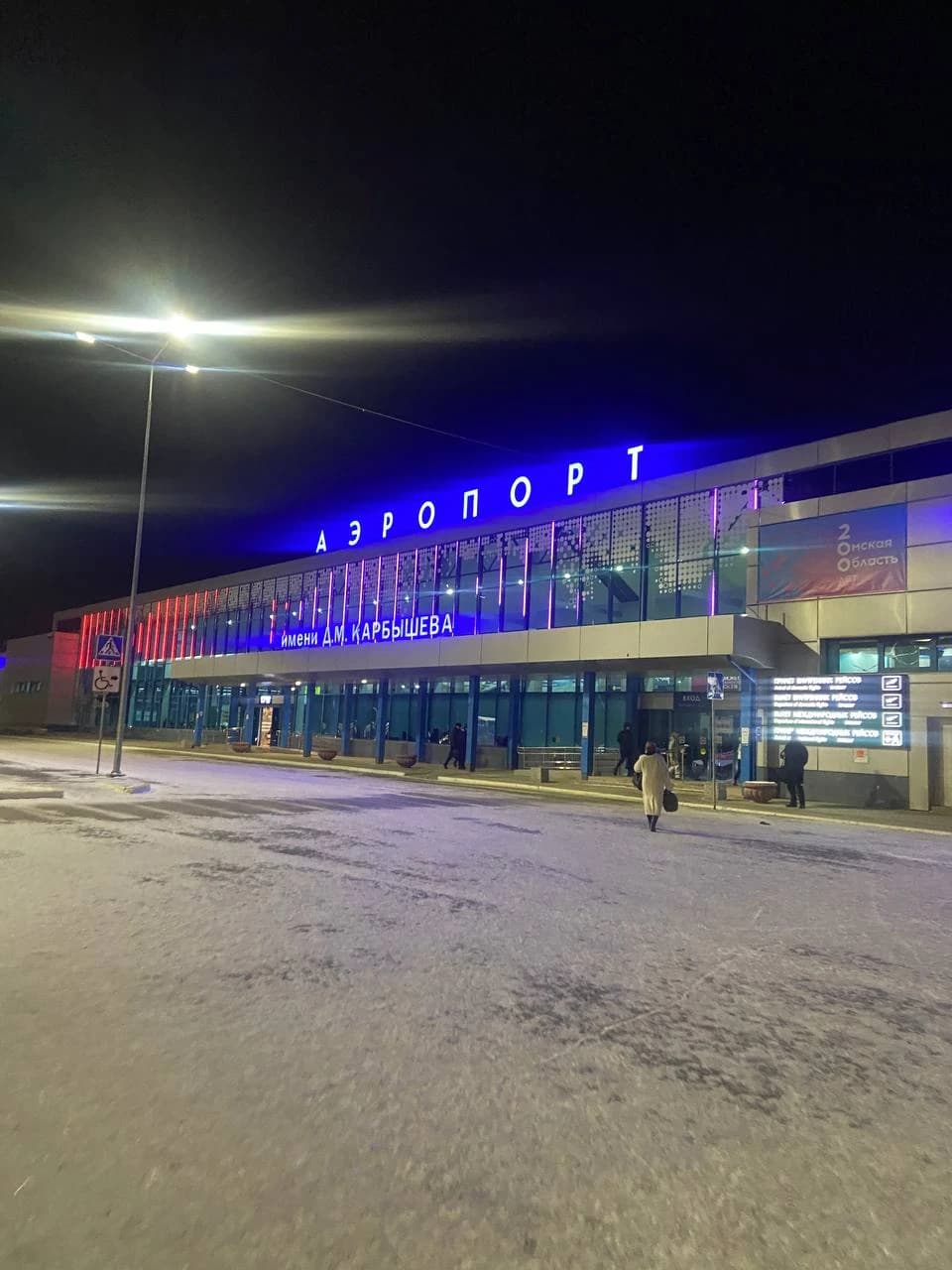
Omsk Airport has launched an 80 million-ruble procurement for uniforms, protective clothing and safety gear for staff, underscoring continued spending on operational readiness as airports balance passenger service with stricter workplace safety requirements.
Omsk Airport launches 80 million-ruble PPE tender
The tender, announced with applications due Oct. 16, covers not only workwear and footwear but also a broader package of personnel services, including replacement obligations if defects are found. The purchase list ranges from ground staff suits and insulated winter undergarments to women’s uniforms, firefighter gear, heat- and chemical-resistant protective shoes, earplugs, reflective vests, helmets and dermatological protection.
For an airport, this is more than routine apparel spending. Uniform and protective-equipment contracts sit at the intersection of labor safety, regulatory compliance and day-to-day continuity. Airports are high-risk industrial environments as well as transport hubs, and employers face pressure to keep frontline and emergency staff properly equipped in line with industry safety standards. That makes such procurement part of non-discretionary operating expenditure, especially in regions where severe weather raises the need for insulated clothing and durable materials.
The scale of the contract suggests Omsk Airport is trying to refresh or standardize staff equipment across multiple functions rather than making piecemeal purchases. The inclusion of firefighting clothing and thermal-risk footwear points to the airport’s need to maintain emergency-response capability on site, while the requirement that suppliers match size grids and replace defective items reduces the risk of operational disruption.
For investors, the direct financial impact is likely modest in the near term, but the tender is still useful as a read-through on airport cost discipline and maintenance intensity. Spending on safety gear and uniforms is typically a small line item relative to revenue, yet it is recurring and largely unavoidable. That makes it one more indicator of underlying operating expense pressure for an asset that must keep standards high even when traffic, yields or local demand fluctuate.
The market relevance is broader than a single procurement. Airports across the sector have been investing in upkeep, modernization and staff readiness as passenger flows normalize unevenly and operating costs remain sticky. In that context, Omsk’s tender reinforces the view that infrastructure operators cannot defer basic maintenance and safety spending for long without risking compliance or service quality. Investors will watch whether such contracts remain contained within routine capex and opex budgets or whether they begin to reflect wider inflation in labor and industrial safety costs.
| Entity | Gains | Losses |
|---|---|---|
| Omsk Airport | ▲safer operations | ▼cash outlay |
| Staff and emergency crews | ▲better protection | ▼no direct benefit |
| Suppliers of uniforms and PPE | ▲contract revenue | ▼pricing pressure |
| Investors | ▲clearer cost visibility | ▼higher operating expenses |