A South Korean industrial AI start-up says it is working toward a factory model by 2028 in which humans set the goals and artificial intelligence runs production, maintenance and quality decisions autonomously — a vision that could reshape how manufacturers invest in automation software, controls and safety systems.
One Predict targets AI-native factory by 2028
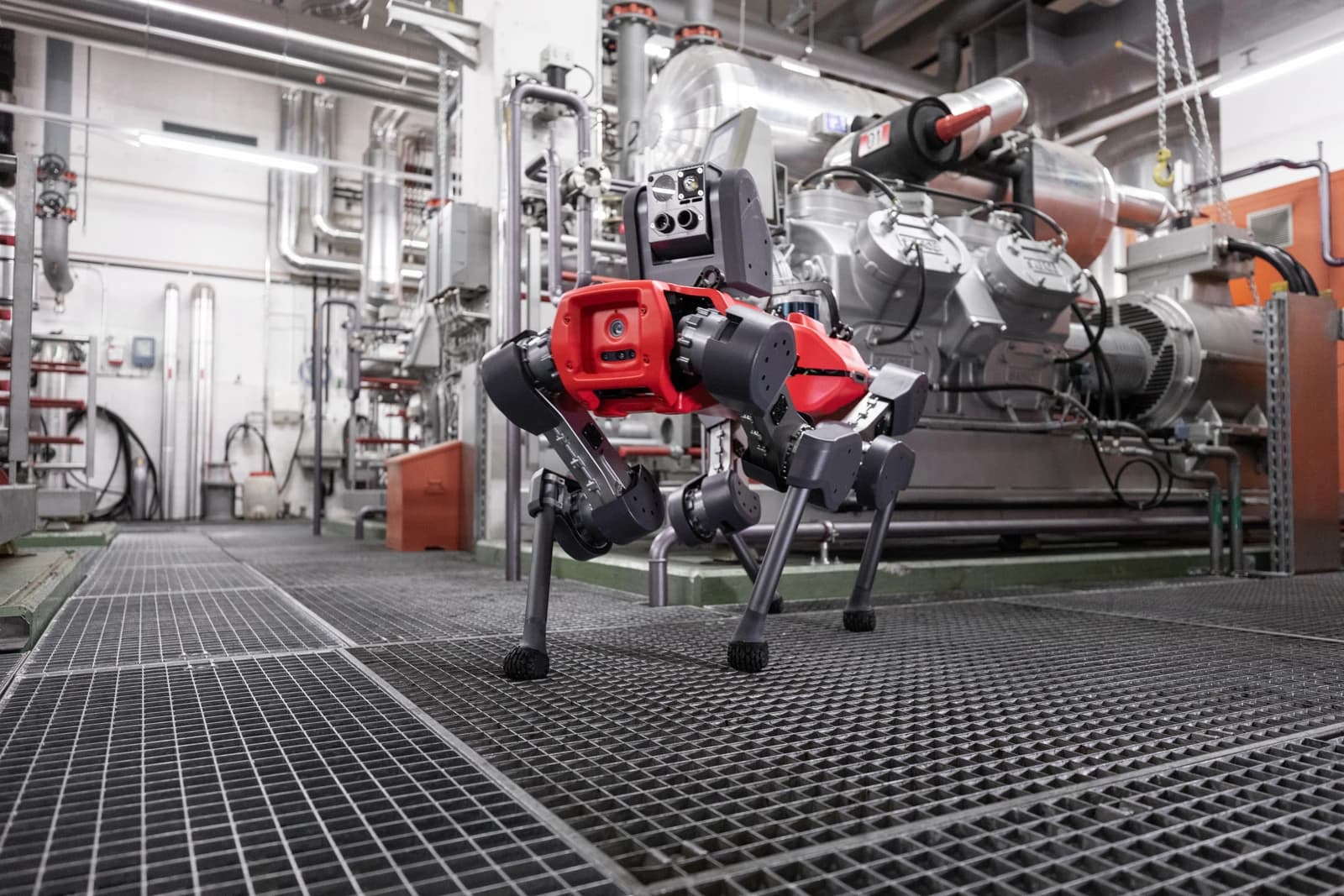
One Predict’s chief technology officer, Choi Jae-hoon, said the company’s aim is to move beyond predictive maintenance into what it calls an “AI native factory,” where software does not merely recommend actions but can directly control equipment after assessing conditions on the line. The company sees 2027 as a supervisory phase, with humans monitoring decisions, before a more fully autonomous system is targeted for 2028.
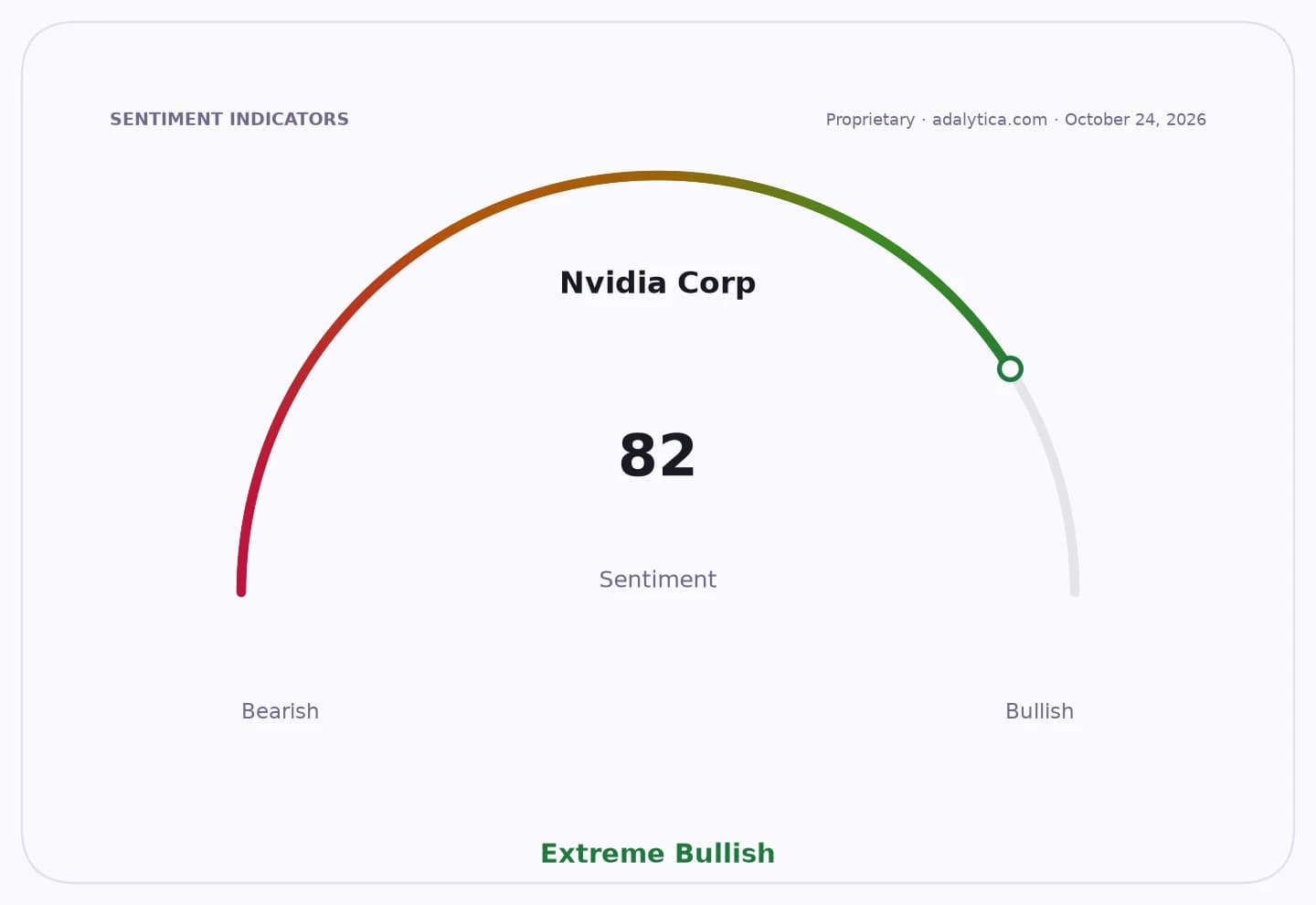
Sentiment Indicators
The economic significance is less about a single start-up’s roadmap than the direction it points to for industrial automation. Manufacturers are under pressure to lift output, cut downtime and compensate for tighter labour markets, while AI vendors are pushing from narrow use cases such as fault prediction into broader operational control. If that transition works, the value in industrial AI shifts from diagnostics to decision-making, expanding the addressable market across production planning, maintenance, energy management and quality control.
One Predict’s pitch also shows why adoption has been slower than the AI hype cycle suggests. Autonomy in a physical factory is much harder to commercialise than software automation in offices. A wrong instruction can damage raw materials, halt a line or create regulatory exposure, which means any system must prove not only accuracy but safe execution. Choi said the company is building simulation and finite element analysis checks before commands are sent to equipment, underscoring that industrial AI will be won as much on reliability and verification as on model performance.
That matters for investors because it reinforces the competitive value of control-layer technology and industrial data infrastructure. Firms that can combine domain expertise with machine learning may gain pricing power if they can prove lower downtime, shorter commissioning times and measurable productivity gains. One Predict says its “grey box” approach blends physics-based engineering with AI to cope with plant-specific operating conditions, while its motor predictive-maintenance product can work with about 500 sets of normal-state data for standard equipment. That could reduce the time and cost of deployment, a key advantage in a sector where data collection and model training often slow adoption.
The company’s revenue growth suggests some commercial traction. It said consolidated sales rose to about 2.8 billion won last year from roughly 800 million won a year earlier, and first-half revenue this year was already about 1.6 times full-year 2025 sales. That is still small in absolute terms, but it indicates that industrial AI can move from pilot stage toward recurring business if the products solve operational pain points rather than merely offering dashboards.
The broader market backdrop is also shifting in One Predict’s favour. South Korean authorities are backing a manufacturing foundation model initiative, reflecting a policy push to create more general-purpose industrial AI tools rather than forcing each factory to build systems from scratch. That could help mid-sized and smaller manufacturers, which often lack the capital and data science teams needed for bespoke AI deployments. For suppliers of automation hardware, industrial software and systems integration, the opportunity is to become the operating system for these increasingly data-driven plants.
For incumbents such as Honeywell, Rockwell Automation and Emerson, the message is mixed. A successful move toward AI-native factories could deepen demand for sensing, controls and industrial software, but it could also shift value toward vendors that own the data layer and the decision engine. The winners are likely to be companies that can link plant-floor equipment with AI workflows and prove safety at scale; the losers may be those left selling isolated automation components without a path to autonomous operations.
Investors should watch whether One Predict and its peers can convert the concept into repeatable deployments across multiple plants and industries. The key tests over the next two years will be safety validation, integration with legacy equipment and whether manufacturers are willing to let AI move from recommendation to execution. If those hurdles are cleared, 2028 may mark not the start of factory autonomy, but the point when industrial AI begins to matter in earnings models.
| Entity | Gains | Losses |
|---|---|---|
| One Predict | ▲Higher demand for AI factory software | ▼Longer safety-validation cycles |
| Industrial automation vendors | ▲More software and controls spending | ▼Pure hardware commoditisation |
| Manufacturers | ▲Lower downtime, faster decisions | ▼Greater execution risk during rollout |
| Small and mid-sized factories | ▲Easier access to AI tools | ▼Higher dependency on vendors |