The Trump administration has intervened on OpenAI’s side in its copyright battle with The New York Times, a move that could shape how U.S. law treats the training of artificial intelligence models and, by extension, the economics of the fast-growing AI sector.
OpenAI copyright case gets U.S. Justice Department backing
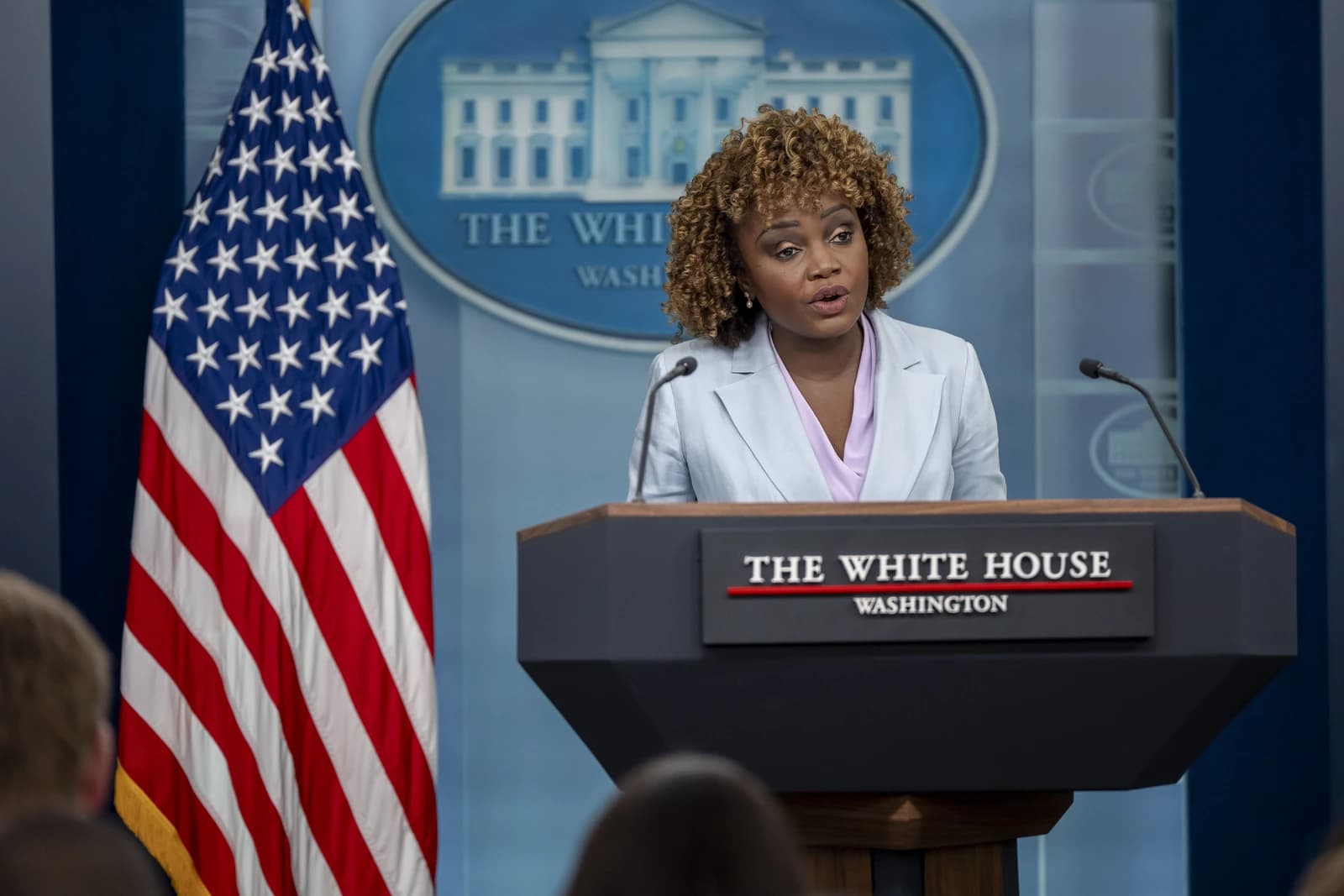
In a 20-page filing to a federal court in New York, the Justice Department said the country has a “major interest” in ensuring courts do not treat the training of large language models on copyrighted text as infringement. The government framed the issue as one of scientific progress, economic growth and national security, arguing that a restrictive reading of copyright law would handicap U.S. AI firms against foreign rivals.
Sentiment IndicatorsⓘProprietary · adalytica.com · September 3, 2026
This is a snapshot — live sentiment, awareness and momentum for 130+ markets update continuously in the dashboard.Open AlphaPulse

That matters because the outcome reaches far beyond OpenAI and the Times. If courts ultimately accept the administration’s view of fair use, AI developers would face lower legal and licensing costs and less risk that their core training methods be curtailed. If the Times prevails, the industry could be pushed toward more expensive licensing deals, larger reserves for litigation and potentially slower model development. For investors, that is a direct question of margin structure, competitive positioning and the durability of AI-related valuations across the sector.
The filing lands in one of the most closely watched legal tests for generative AI. The Times sued OpenAI and Microsoft in late 2023, accusing them of using its journalism to train ChatGPT and other systems without permission or compensation. The newspaper said the alleged harm ran into “several billion dollars.” OpenAI and Microsoft have not commented on the government filing.

The administration’s stance also sharpens the policy divide over who captures the economic value created by generative AI. Content owners argue that tech companies are using protected works to build products that compete with the original sources of information, while the Justice Department says a narrow copyright interpretation would effectively subsidize established media companies at the expense of innovation. The Times said the government was siding with a handful of “multibillion-dollar companies” over creators.
For Microsoft, which has a strategic partnership with OpenAI and remains exposed to the legal and commercial fallout, the filing removes one near-term policy overhang but does not end the risk. The stock has been volatile in recent months, even after a rebound, and technical readings show it back above its 50-day moving average, suggesting investors have been willing to price in better AI economics, but not without hesitation. News that reduces the chance of sweeping training restrictions should help sentiment for the broader AI complex, even as legal uncertainty remains.
The issue is now part of a larger global debate over whether AI systems can be built on copyrighted material without explicit consent. Courts in the U.S., and regulators elsewhere, are still deciding where the line falls between innovation and appropriation. For investors, the immediate takeaway is that Washington is signaling support for a more permissive legal framework — one that could favor OpenAI, Microsoft and other model builders, while keeping pressure on publishers and other rights holders to seek compensation through the courts or licensing deals.
| Entity | Gains | Losses |
|---|---|---|
| OpenAI | ▲Lower training risk | ▼Less legal pressure |
| Microsoft | ▲Better OpenAI economics | ▼Ongoing litigation risk |
| U.S. AI developers | ▲Broader fair-use defense | ▼Higher confidence for capital spending |
| New York Times | ▲Publicity for copyright claim | ▼Weaker policy backing |