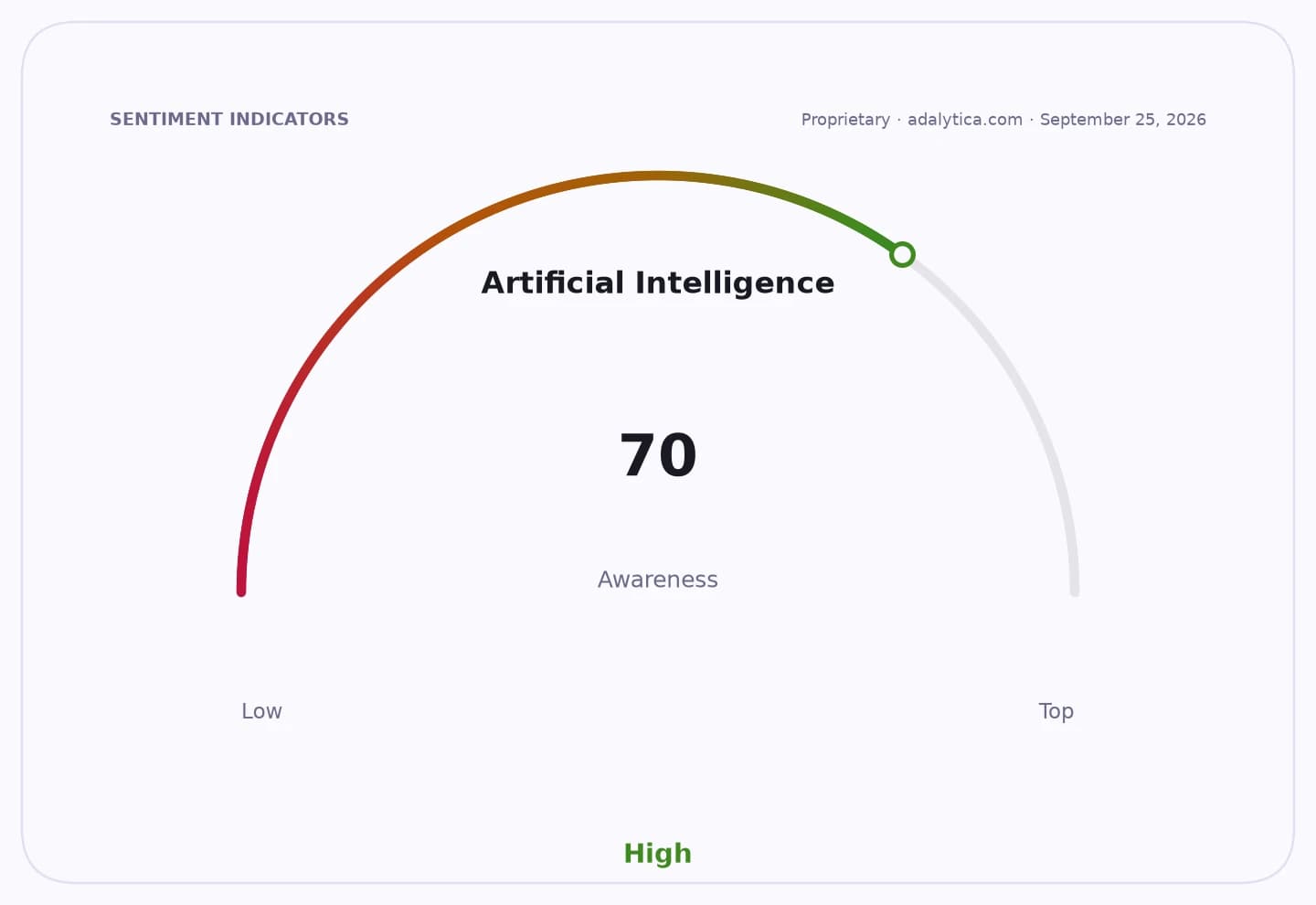
Firmus, the Nvidia-backed data centre operator, has signed a capacity deal with OpenAI in Malaysia, underscoring how the AI boom is moving beyond chips and cloud software into the physical build-out of power, land and server space across Asia.
OpenAI signs Malaysia capacity deal with Firmus

The agreement matters because access to compute has become one of the biggest constraints on the next phase of AI growth. For OpenAI, locking in capacity in Malaysia gives it another route to expand outside the US and Europe, where power availability, permitting and construction timelines are tightening. For Firmus and its backers, the deal is a signal that regional data centre operators can capture a slice of the infrastructure spending rush that has followed the surge in model training and inference demand.
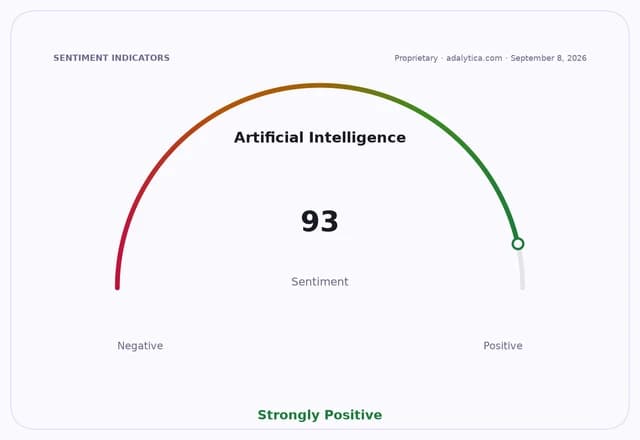
Sentiment IndicatorsⓘProprietary · adalytica.com · September 8, 2026
This is a snapshot — live sentiment, awareness and momentum for 130+ markets update continuously in the dashboard.Open AlphaPulse
It also fits a broader pattern in which AI developers are spreading their bets across jurisdictions that can offer cheaper land, faster deployment and proximity to Asian customers. Malaysia has been positioning itself as a regional digital infrastructure hub, while governments in Southeast Asia are competing to attract investment tied to sovereign computing and enterprise AI workloads. That competition is likely to intensify as companies seek to avoid bottlenecks in mature markets.
The deal comes as investor interest in AI infrastructure remains elevated, even after sharp swings in chip and cloud stocks. Nvidia, which has benefited from the build-out of AI systems and is linked to Firmus, has seen its shares recover to around $230 after a volatile year, with conventional technical indicators showing momentum improving — the stock is above both its 50-day and 200-day moving averages and RSI readings have moved back toward the mid-50s. Microsoft, OpenAI’s key commercial partner, has also steadied near $500 after a selloff earlier this year, reflecting continued demand for AI capacity despite concerns about capital intensity.
The strategic appeal is clear: OpenAI gains geographic diversification and additional compute, while Firmus gets a marquee customer that can validate its ability to deliver large-scale capacity in a market where execution risk remains high. The bear case is that such deals can require heavy upfront spending and long lead times before revenue is fully realized, leaving operators exposed if AI demand slows or if financing costs rise. Nvidia’s own filings have warned that expanding land, power, shell and energy infrastructure is a multi-year process with regulatory and construction hurdles.
For investors, the key question is whether this is an isolated contract or part of a wider re-rating of AI infrastructure across Asia. If more model builders follow OpenAI into Malaysia and other Southeast Asian markets, beneficiaries could include chip suppliers, server integrators, power providers and local data centre developers. The losers would be operators that cannot secure land, grid access or financing quickly enough to keep pace.
| Entity | Gains | Losses |
|---|---|---|
| Firmus | ▲Revenue validation | ▼Execution pressure |
| OpenAI | ▲More compute capacity | ▼Higher infrastructure costs |
| Nvidia | ▲Ecosystem demand | ▼Less if build-out slows |
| Malaysia data centre peers | ▲Sector momentum | ▼Capacity bottlenecks |