Oracle is preparing another large workforce reduction that could eliminate as many as 10,000 jobs, underscoring how even the biggest software vendors are using headcount cuts to protect margins while they pour money into artificial intelligence infrastructure.
Oracle plans layoffs of up to 10,000 jobs
The move matters because Oracle’s biggest strategic bet — shifting more of its business toward cloud and AI-related services — is capital intensive and increasingly unforgiving on costs. Layoffs of this size would be consistent with a broader industry pattern in which legacy software and cloud groups trim operating expense to fund data centers, chips and product development, even as customers become more selective on spending. For investors, the question is not just how many jobs are cut, but whether the savings are enough to offset the rising bill for AI expansion without slowing revenue growth.
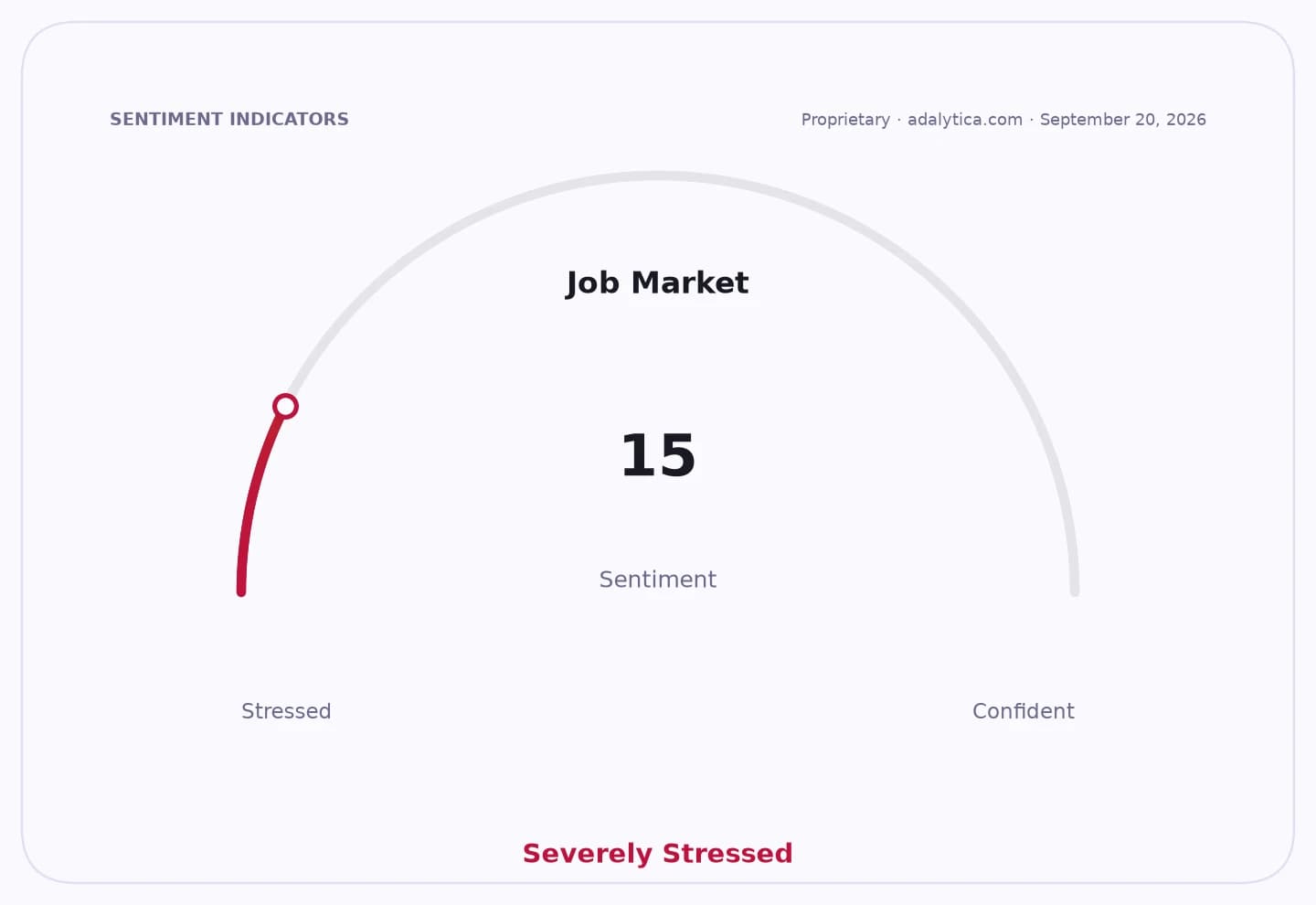
Sentiment IndicatorsⓘProprietary · adalytica.com · September 1, 2026
This is a snapshot — live sentiment, awareness and momentum for 130+ markets update continuously in the dashboard.Open AlphaPulse
The reported cuts would amount to roughly 7,000 to 10,000 employees, with India expected to take a significant hit, according to the news report. That would follow prior restructuring at Oracle and comes after the company’s latest annual filing said workforce reorganizations can be disruptive but are part of management’s effort to improve its cost structure. Oracle has already signaled in filings that restructuring expenses include severance and other exit costs, suggesting this is not an isolated move but part of a recurring effort to reset expenses against shifting product priorities.
The market has already been signaling stress around the company’s profile. Oracle shares have been volatile, falling sharply from above $300 in September to below $150 at the end of August before recovering to around $149, leaving them below both the 50-day and 200-day moving averages in the latest data. That kind of price action reflects a stock that has been punished for growth skepticism and then partially rebound on renewed confidence, but it also shows investors remain sensitive to whether Oracle can convert AI demand into profitable, durable cash flow. Technical readings such as RSI and MACD have swung violently over the period, consistent with a name that has been caught between momentum enthusiasm and margin concerns.
The layoffs also matter beyond Oracle’s own cost base. India is a major global technology labor market, and another round of cuts would add to hiring caution across enterprise software and IT services just as companies are re-evaluating workforce needs around automation and AI. That fits a wider corporate playbook: protect earnings, preserve flexibility and redirect spending toward high-priority areas, even if it means repeated restructuring.
For investors, the bull case is that Oracle is acting early enough to keep operating leverage intact as AI demand scales. The bear case is that persistent restructuring can signal a business still struggling to align its legacy organization with a new growth model, while severance and execution costs eat into the benefits. The next focus will be whether management pairs job cuts with clearer evidence of cloud and AI revenue acceleration — because without that, layoffs alone are a defensive move, not a catalyst.
| Entity | Gains | Losses |
|---|---|---|
| Oracle | ▲Lower operating costs | ▼Employee morale |
| Oracle investors | ▲Margin support | ▼Execution risk |
| Affected workers | ▲Severance pay | ▼Job security |
| AI/cloud peers | ▲Cost-cutting cover | ▼Talent competition |