Procter & Gamble, Kimberly-Clark and other packaged-goods suppliers are entering 2026 with a familiar problem: the biggest retailers are getting bigger, and that is squeezing pricing power just as private-label competition remains embedded in the category.
P&G, KMB and GIS face retailer pricing pressure

The clearest evidence is in the companies’ own filings. General Mills said Walmart accounted for 22% of consolidated net sales in fiscal 2026, with no other customer above 10%, a concentration level that leaves the supplier highly exposed to one customer’s terms. Procter & Gamble’s latest 10-K says gross margin swings are driven by pricing, product mix and geography, while Kimberly-Clark disclosed in its 10-Q that net sales fell 0.9% in the first half of 2026 after it exited part of the private-label diaper business in the U.S. — a sign that low-margin volume is still being weeded out of portfolios.
Sentiment IndicatorsⓘProprietary · adalytica.com · September 18, 2026
This is a snapshot — live sentiment, awareness and momentum for 130+ markets update continuously in the dashboard.Open AlphaPulse

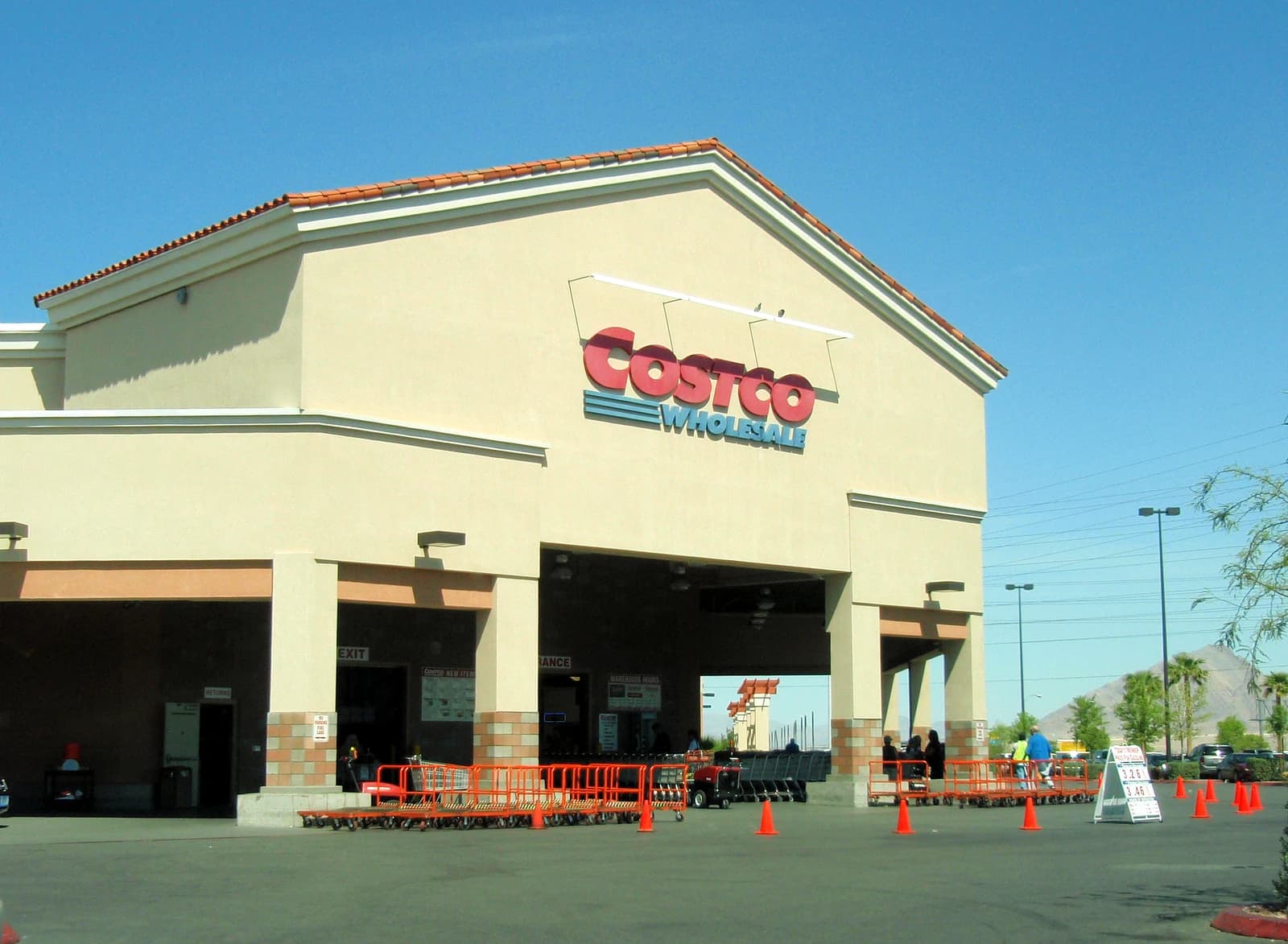
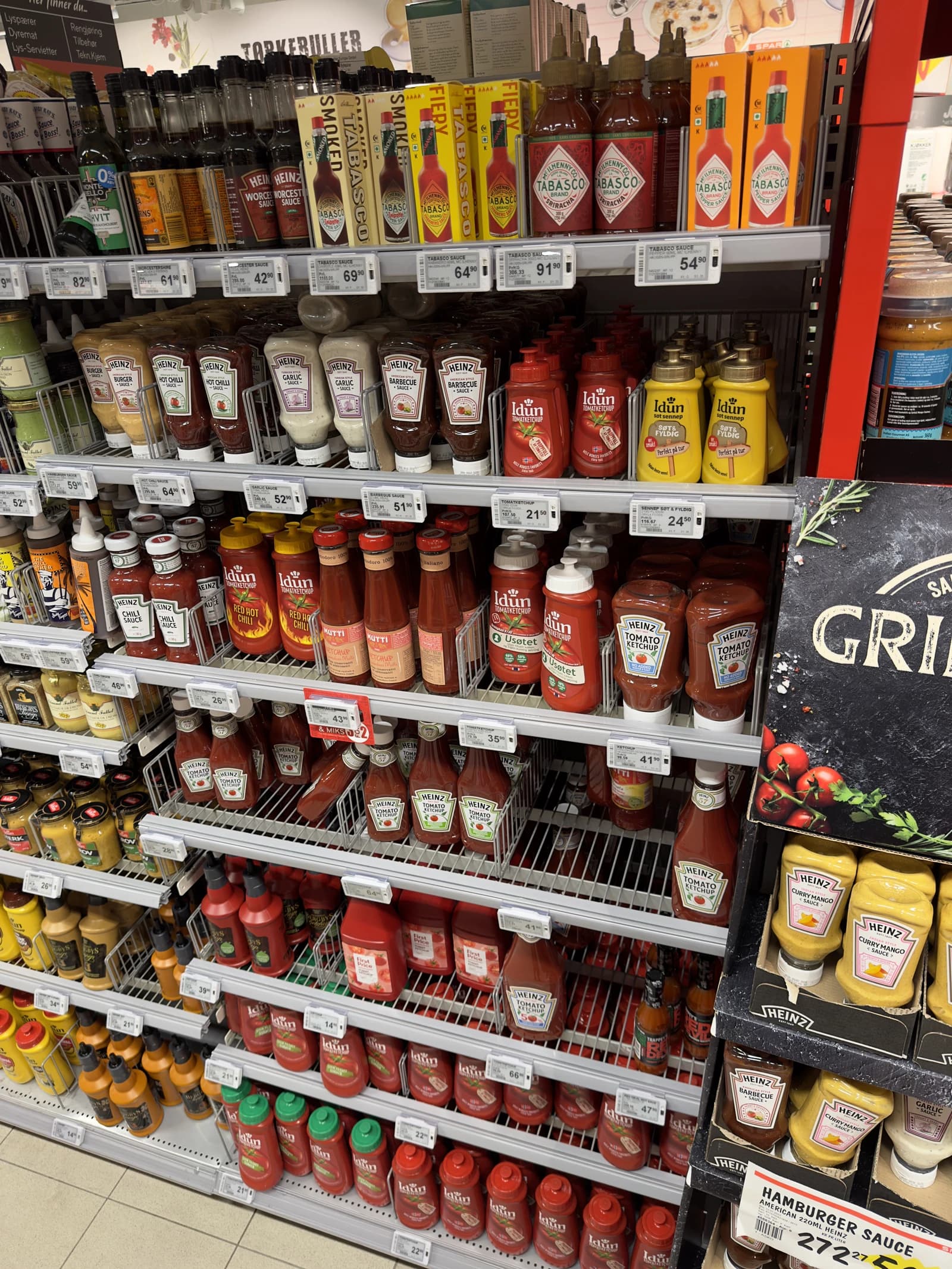
That matters because private-label and co-manufacturing contracts typically shift leverage to the retailer. When Walmart, Costco or Target collectively account for more than 15% to 20% of a supplier’s sales, the supplier is often no longer setting the economics of the relationship. The retailer can push for lower prices, tighter promotions or more favorable supply terms, while still extracting volume. The result often shows up not in a headline revenue miss, but in compressed gross margin and weaker mix.
The macro backdrop makes that dynamic more pronounced. Core consumer inflation has slowed materially from the 2022 peak, while producer prices for consumer goods have also cooled, reducing the ability of branded manufacturers to defend pricing with inflationary arguments. At the same time, consumer spending remains resilient enough to keep private-label penetration relevant: shoppers are still trading value, and retailers with scale are using their own labels to capture that demand. Adalytica’s consumer spending sentiment reading remains elevated, suggesting households are still willing to spend, but that does not necessarily flow to branded CPGs if value chains keep winning share.
The market has already started to reflect the strain. P&G shares have been volatile but are trading around $146, roughly in line with their 50-day and 200-day moving averages, indicating investors are waiting for evidence of margin recovery rather than paying up for growth. Kimberly-Clark has been weaker, with the stock near $98 and its RSI around 19, a sign of heavy selling pressure after a sharp slide. General Mills is also under pressure, with the shares near $36.75 and below both its 50-day and 200-day averages, as investors question whether volume mix can stabilize.
For investors, the key issue is not simply whether sales hold up. It is whether gross margins can re-rate higher in a business where revenue growth increasingly depends on retailer-specific deals and private-label mix. P&G’s portfolio and scale give it more room to absorb retailer pressure than smaller peers, but even there, the question is how much pricing power survives when the customer base is concentrated. For KMB and GIS, the exposure is more direct: where share is lost to private label or inventory is rationalized by large accounts, margins can weaken faster than top-line trends suggest.
The next earnings cycle will matter less for broad demand commentary than for signs of mix, shelf economics and retailer concentration. If gross margin recovery stalls while revenues stay flat, that will be the clearest signal that the private-label battle is still being fought in the footnotes.
| Entity | Gains | Losses |
|---|---|---|
| Walmart/Costco/Target | ▲Lower procurement costs | ▼Supplier pricing power |
| P&G | ▲Scale and brand strength | ▼Margin upside from mix |
| KMB and GIS | ▲Private-label rationalization | ▼Revenue quality and margins |
| Investors in CPGs | ▲Clearer disclosure on mix | ▼Multiple expansion on weak margins |