Pakistan is pushing ahead with the closure of Pasco and the Utility Stores Corporation, a step that matters less as a bureaucratic reshuffle than as a test of whether Islamabad can shrink loss-making state entities without triggering legal, fiscal or social blowback.
Pakistan moves to close Pasco and Utility Stores
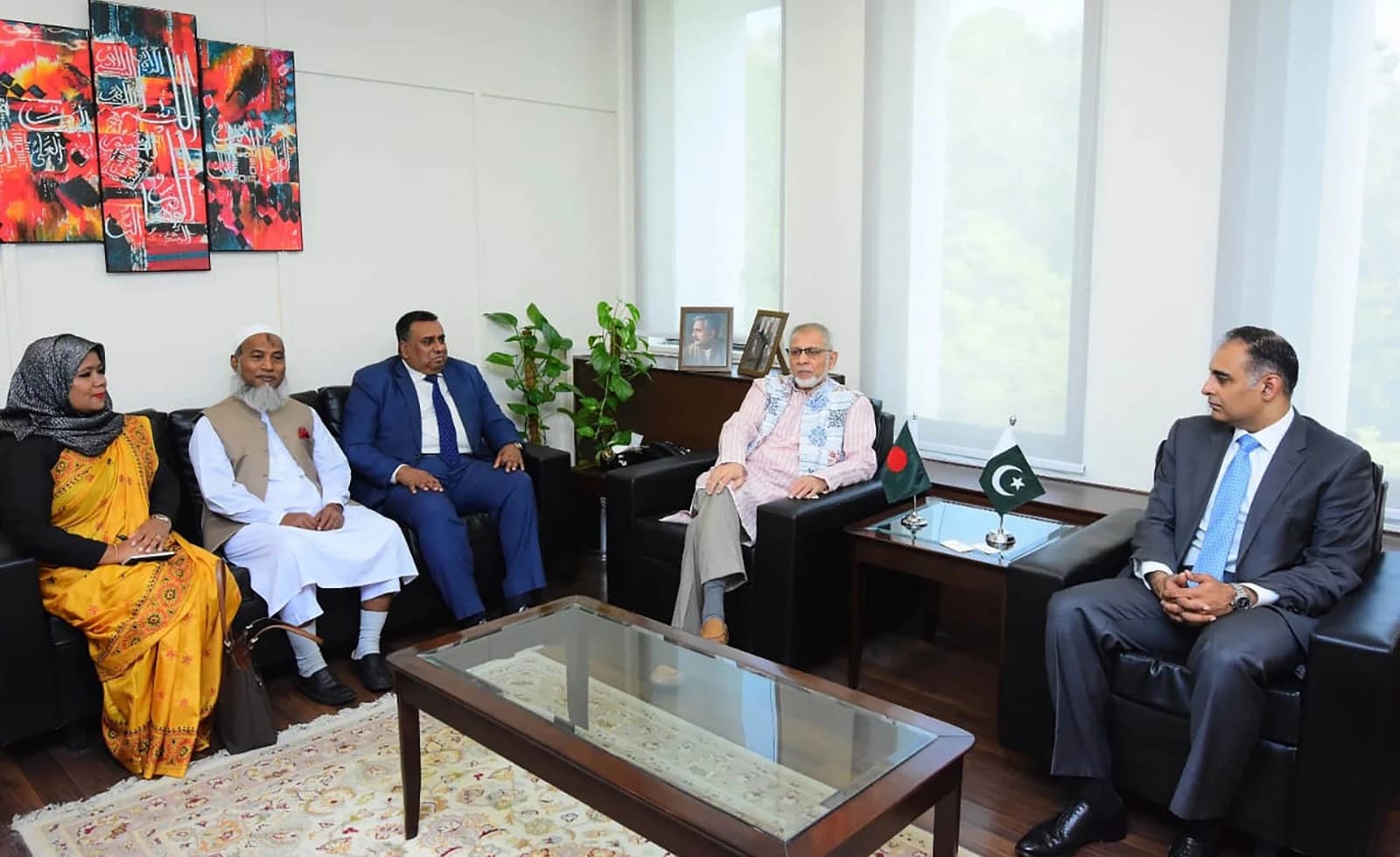
Finance Minister Senator Muhammad Aurangzeb chaired a review meeting on Monday that checked progress on the shutdown of the Pakistan Agricultural Storage and Services Corporation, known as Pasco, and the Utility Stores Corporation, or USC. The government said the process is advancing, with work underway on severance for approved workers, payment of verified vendor dues, return and disposal of stock, and the handling of assets and property.
That matters economically because these closures are part of a broader attempt to reduce the drag of state-run commercial operations on public finances. Even when such entities are designed to cushion food prices or preserve supply chains, they often accumulate wage, inventory and procurement costs that are ultimately borne by taxpayers. Islamabad is now trying to convert those contingent liabilities into a cleaner balance sheet by settling verified claims, auditing payments and moving stock and assets through formal disposal channels.
For investors, the key issue is not the immediate retail loss but the signal on fiscal discipline. If the government can complete the wind-down with legal claims settled, assets auctioned and vendor payments contained, it strengthens the case for a more orthodox policy mix and a narrower role for the state in consumer supply. That can support sovereign credibility over time, particularly in an economy where every reduction in quasi-fiscal leakage matters for inflation, borrowing needs and external confidence.
The ministry said it has put in place audit and verification mechanisms, including biometric checks, to confirm employee and claimant identities before payments are made. It also said most branded and other food stocks have already been returned or destroyed under procedure, while remaining inventory is being handled according to rules. Officials reviewed the auction of racks and other movable assets, along with the disposal or transfer of IT equipment and vehicles.
The more sensitive part is the legal overhang. Aurangzeb specifically took note of cases under way involving the Utility Stores Corporation and said all legal, financial and administrative requirements must be met alongside the closure process. That is important because unresolved litigation can turn an intended clean-up into a slow-burning liability, delaying asset sales and trapping cash in the system.
Pasco’s closure is moving on a parallel track, with the meeting also reviewing stock held across provinces and arrangements for transferring it in line with provincial requirements and conditions. The minister told officials to keep close coordination with provincial authorities but warned the process must not be slowed by administrative friction. In practice, that means the government is trying to prevent asset handover disputes from outlasting the policy decision itself.
The market lesson is straightforward: Islamabad is trying to replace a recurring subsidy-and-subsidized-retail model with a settlement-and-disposal model. That is usually painful in the short run, but it is often the only credible way to restore discipline after years of state intervention in low-margin consumer distribution.
If the closures proceed as planned, the beneficiaries are likely to be private retailers, food distributors and logistics players that can absorb displaced demand, while the losers are the employees, vendors and local communities tied to the old state network. The bigger winner, however, would be Pakistan’s fiscal narrative: a government showing it can close the books on costly public-sector commerce instead of rolling the losses forward.
| Entity | Gains | Losses |
|---|---|---|
| Pakistan government | ▲Lower quasi-fiscal drag | ▼Political and legal friction |
| Private retailers and distributors | ▲Displaced demand | ▼ |
| USC and Pasco workers/vendors | ▲Severance and verified payouts | ▼Job losses, delayed claims |
| Taxpayers / sovereign balance sheet | ▲Cleaner fiscal path | ▼Near-term closure costs |