Karachi’s long-running fight over fiscal powers sharpened on Thursday as Pakistani politicians renewed calls for details of how the city’s resources are used, a debate that matters for infrastructure spending, local governance and the balance of power between the centre and provinces.
Karachi fiscal powers debate returns in Pakistan

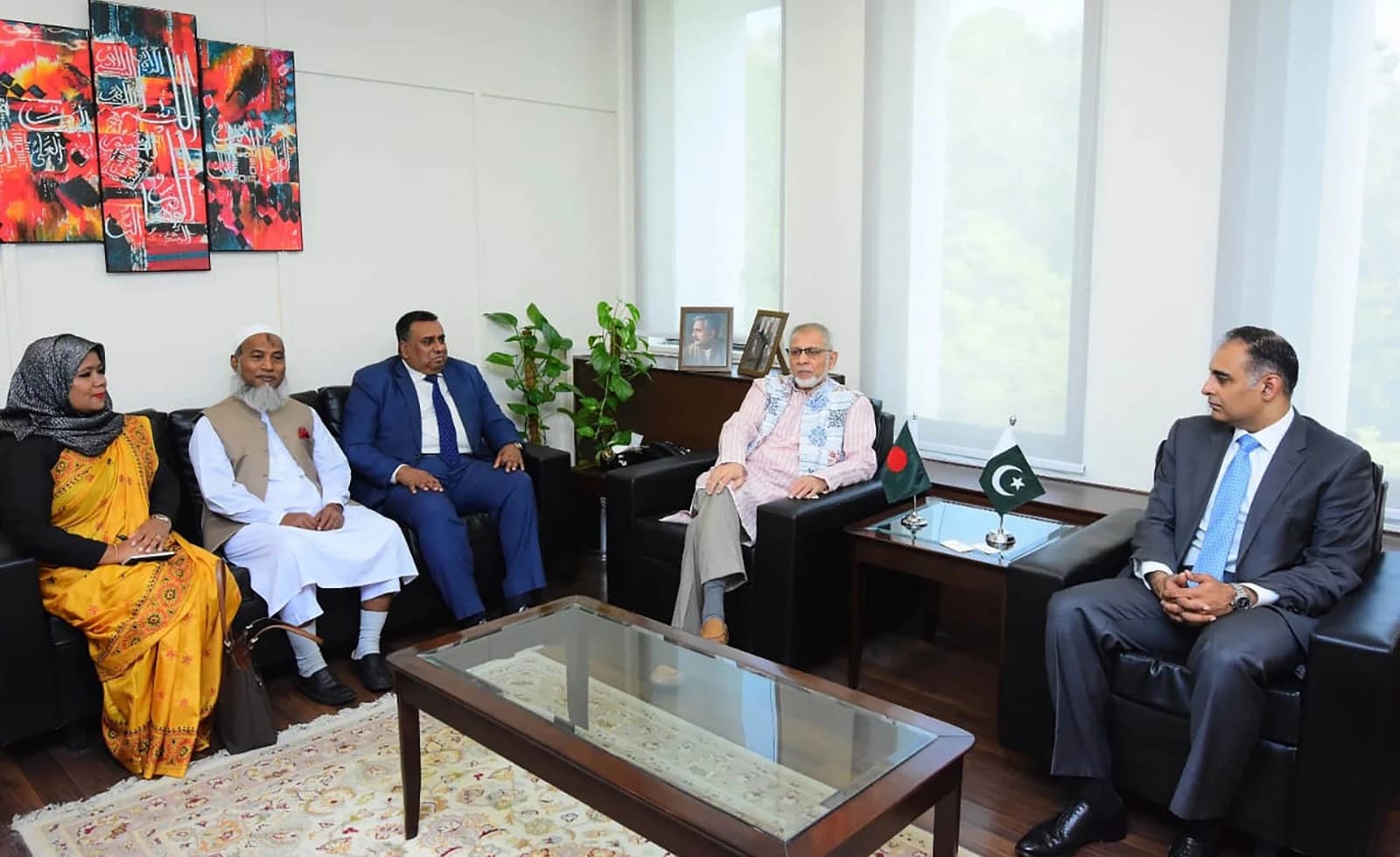
Former prime minister Shahid Khaqan Abbasi said new provinces would not solve Pakistan’s governance problems and argued that the details of Karachi’s resource utilization should come out, putting the country’s largest city back at the centre of a dispute over who collects revenue and who gets to spend it.
The comments add pressure to a system already criticized for weak fiscal transparency and uneven distribution of development money. For Karachi, Pakistan’s commercial hub and its main tax engine, the issue goes beyond politics: clearer information on resource flows could shape how quickly the city’s infrastructure backlog is addressed, from transport to water and municipal services.
The debate also touched on the National Finance Commission and Provincial Finance Commission formulas, with MQM Pakistan’s Khalid Maqbool saying the two should follow the same framework. That argument matters for investors and businesses because the way federal and provincial resources are shared directly affects urban spending, administrative efficiency and the predictability of public investment in Pakistan’s biggest economic centre.
Other speakers underscored that any reform would require constitutional respect and stronger local empowerment, while Punjab Assembly Speaker Malik Muhammad Ahmed Khan said major governance reforms are needed before the system can improve. The broader message was that administrative restructuring alone will not unlock growth unless revenue-sharing and local authority are reworked.
For investors, the relevance is in policy execution risk. Karachi’s fiscal treatment influences municipal upgrades, logistics, real estate, utilities and broader confidence in Pakistan’s reform capacity. The next catalyst is whether the debate moves from speeches to a formal review of Karachi’s revenue, spending and transfer arrangements.
| Entity | Gains | Losses |
|---|---|---|
| Karachi residents | ▲Potentially better transparency | ▼Status quo spending opacity |
| Local governments | ▲Stronger fiscal claims | ▼Centralized control |
| Businesses in Karachi | ▲More predictable infrastructure funding | ▼Continued service bottlenecks |
| Provincial authorities | ▲Debate over revenue formulas | ▼Pressure to justify allocations |