Pakistan’s coal supply chain has hit a critical bottleneck after the single unloading conveyor at Port Qasim’s Pakistan International Bulk Terminal shut down, threatening power generation, industrial output and billions of rupees in costs.
Pakistan coal bottleneck hits Port Qasim conveyor
Coal
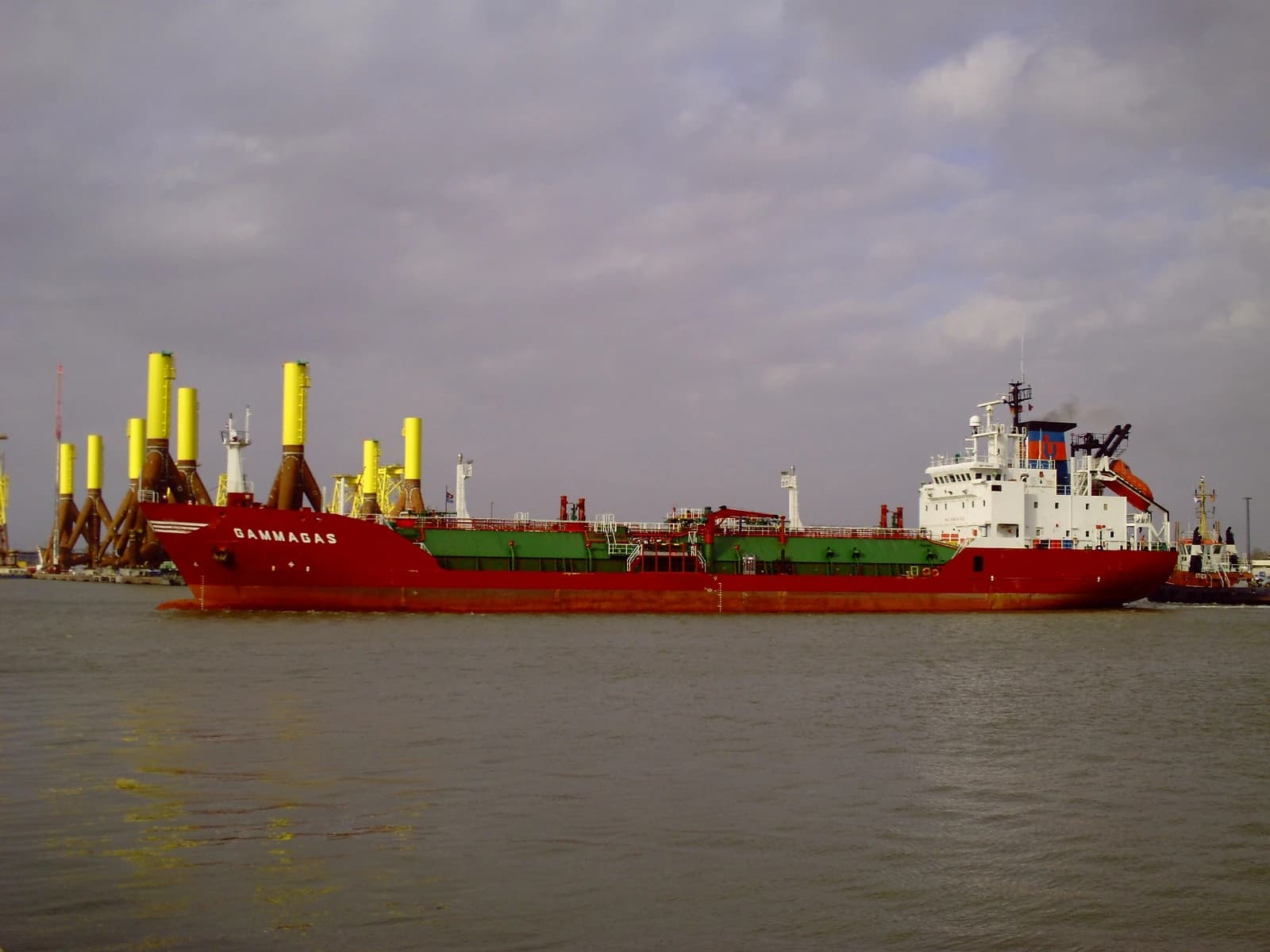
The outage matters because Port Qasim is a key gateway for imported coal into Pakistan’s power plants, cement mills and textile factories. With the conveyor system offline since Nov. 18, terminal throughput has collapsed from about 30,000 tonnes a day to just 3,000 tonnes handled manually, a ninefold drop that immediately tightens fuel availability in an economy already struggling with high energy costs and fragile industrial activity.
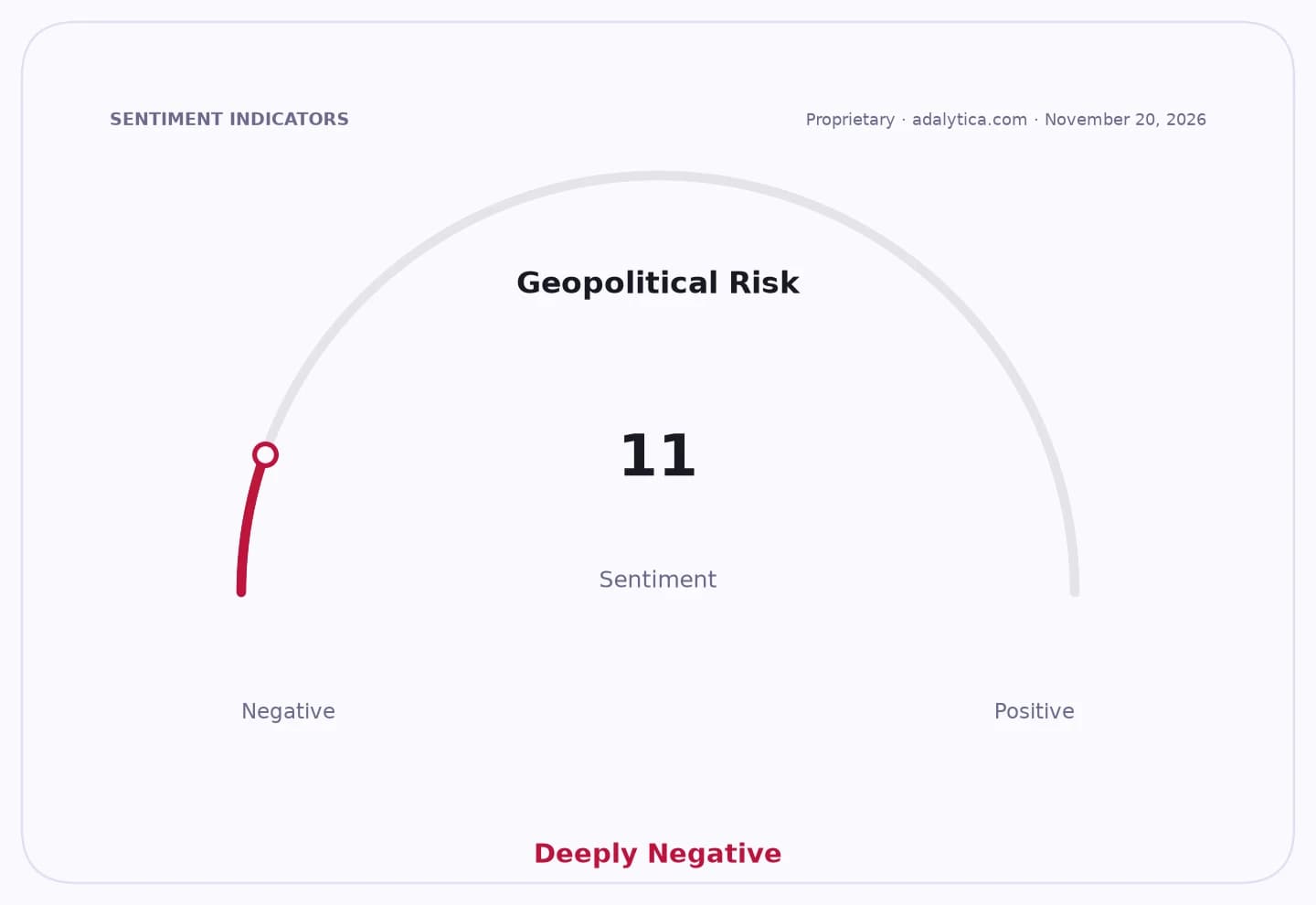
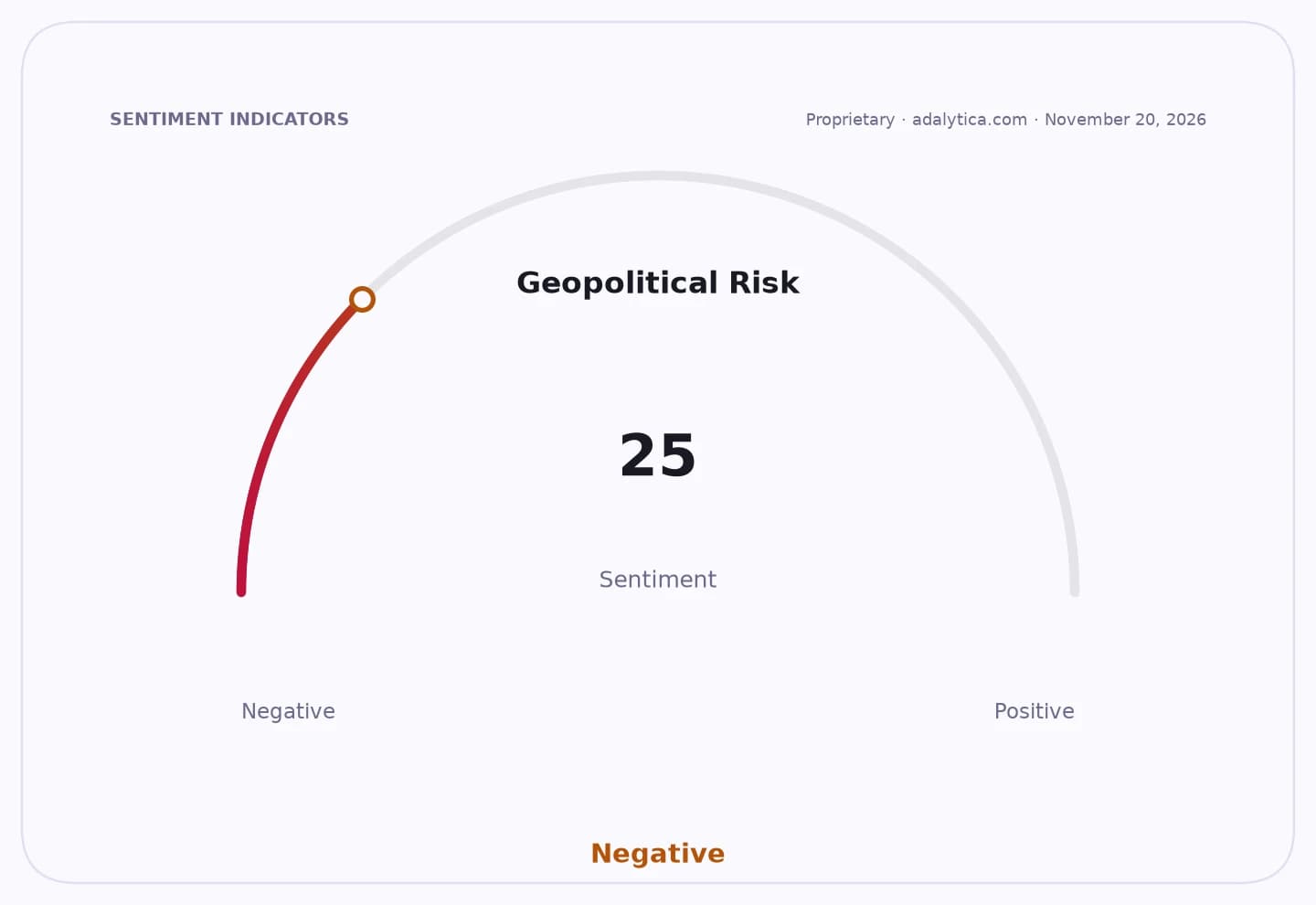
Sentiment Indicators
Jamshoro Power Company warned the disruption could add $2 million to $3 million in demurrage charges and as much as 2.2 billion rupees a month in capacity-payment losses, a heavy hit for generators that must still cover fixed costs even when fuel cannot move. For investors and creditors, that is the real story: a single point of failure in the logistics chain can quickly turn into a cash-flow problem for utilities, a margin problem for industrial users and a reliability problem for the grid.
The terminal operator said the system was damaged by excessive dust and sharp iron fragments in coal arriving from Tanzania, and repairs could take eight to 10 days. A request by JPC and others to declare force majeure for insurance claims was rejected, underscoring how the financial burden may be shared unevenly across shippers, power producers and terminal operators rather than absorbed by one party.
The episode also exposes a structural weakness that the market should not ignore: sources say a second conveyor system proposed in 2021 was never built. That leaves Pakistan’s coal import network dependent on one piece of infrastructure, magnifying the impact of any mechanical failure and raising the risk of recurring disruption. In a country where imported fuel still underpins power supply and industrial throughput, that makes logistics resilience as important as fuel prices themselves.
For investors, the takeaway is simple: the winners are firms and assets tied to alternative fuel supply, storage, transport and grid flexibility, while the losers are coal-dependent generators, importers and industrial users exposed to port chokepoints. The market underestimates how often infrastructure fragility, not demand, becomes the binding constraint in emerging-market power systems.
| Entity | Gains | Losses |
|---|---|---|
| Alternative fuel suppliers | ▲Higher demand | ▼Coal supply disruption |
| Coal-dependent power plants | ▲None | ▼Fuel shortages, demurrage costs |
| Cement and textile industries | ▲None | ▼Higher energy and production risk |
| Port Qasim / PIBT operators | ▲Limited if repairs are swift | ▼Reputation, throughput, claims pressure |