Sri Lanka’s presidential commission probing coal procurement is moving toward its final report, a step that could sharpen scrutiny of a politically sensitive import channel and eventually influence how the country buys fuel for power generation.
Sri Lanka coal procurement probe nears final report

That matters because coal procurement is not just a governance story in Sri Lanka; it is an energy-security issue with direct budget and power-price implications. The commission, appointed on April 17, said drafting of the final report has started and that it will be handed to the President before the 16th of next month. It reviewed 37 complaints and recorded statements from 72 people, suggesting the inquiry has built a substantial factual record and is now close to conclusions that could trigger further investigations, policy changes or prosecutions.
Sentiment Indicators
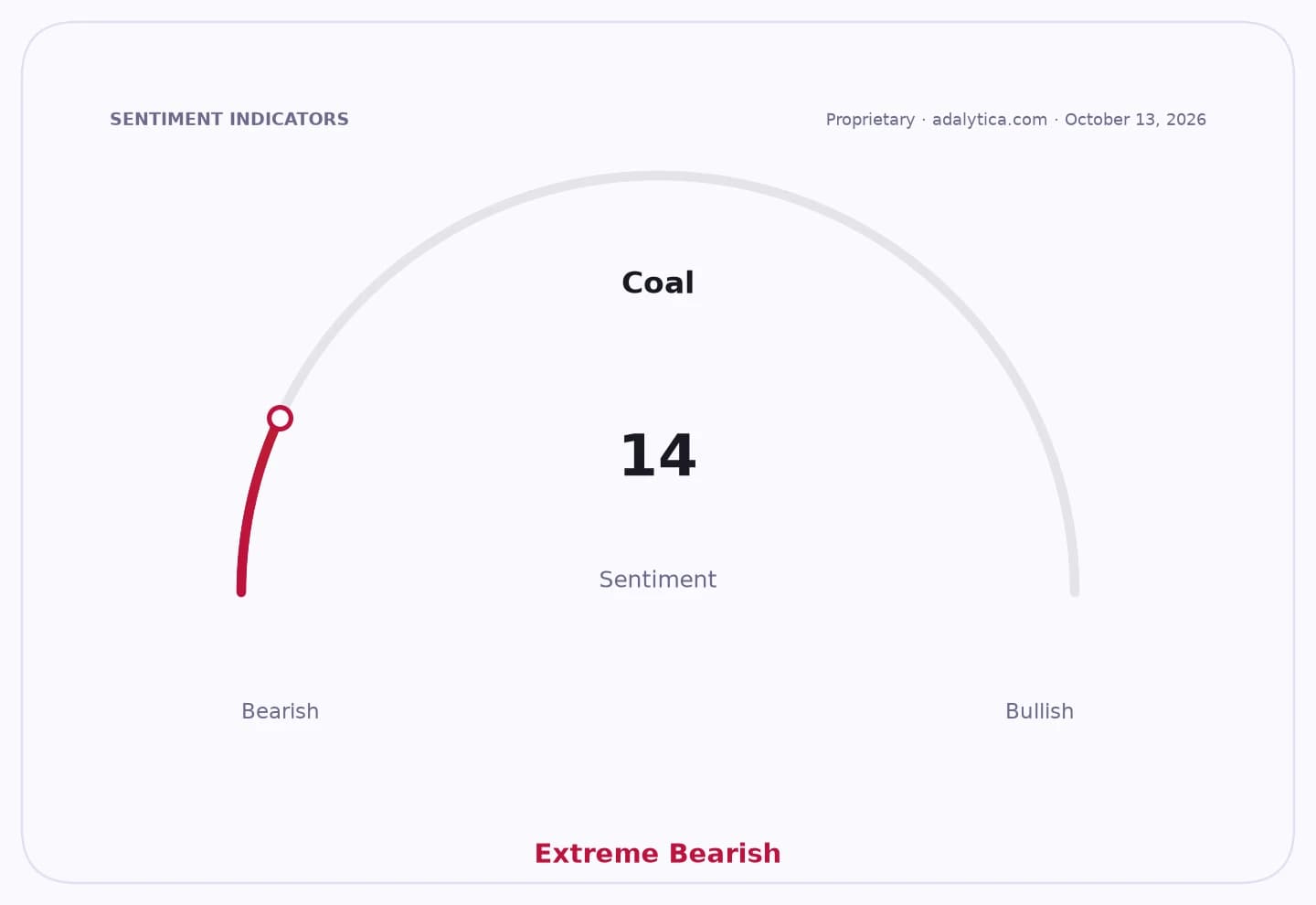
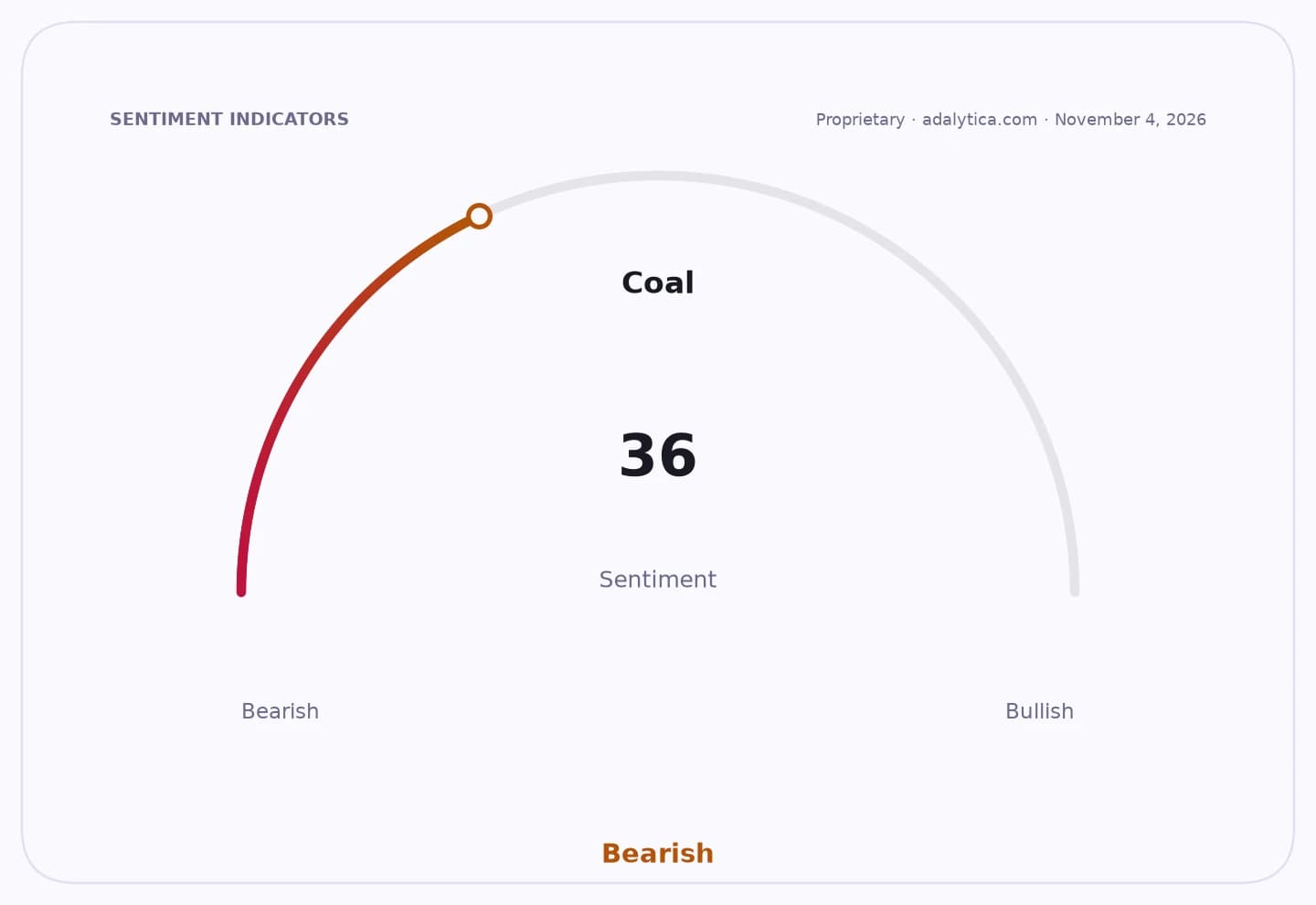
For investors, the immediate signal is that coal supply chains remain under regulatory and political pressure. That is especially relevant in a market already dealing with a mixed backdrop: coal demand is still resilient globally, but oversight risk is rising, and any tightening of procurement rules can alter pricing, contract terms and counterparty behavior. Coal-linked names have already been volatile, with sentiment around the sector swinging sharply in recent months. Adalytica’s Coal Fear & Greed Index shows extreme greed at 100, underscoring how quickly positioning can become crowded even as governance risk builds.
The development also fits a wider global pattern. Coal remains a necessary fuel in many power systems even as policymakers talk about transition, which means the sector increasingly trades on a tug-of-war between demand durability and regulatory friction. In that environment, companies with secure supply, disciplined contracting and low-cost assets tend to hold up better than those exposed to policy shocks, while import-dependent utilities and traders face more headline risk.
For coal investors, the takeaway is straightforward: this is not a moment to chase the most levered names blindly. The market underestimates how often governance inquiries turn into pricing and contract overhauls, especially where public procurement is involved. If Sri Lanka’s report leads to tighter rules or a reset in purchasing practices, the beneficiaries will be transparent suppliers and efficient producers; the losers will be intermediaries, complacent contractors and any buyer relying on opaque procurement terms.
| Entity | Gains | Losses |
|---|---|---|
| Sri Lankan government | ▲Stronger oversight | ▼Political fallout |
| Transparent coal suppliers | ▲Cleaner contracting | ▼Fewer quick wins |
| Intermediaries/contractors | ▲None | ▼Procurement scrutiny |
| Coal consumers/importers | ▲Better process clarity | ▼Higher compliance pressure |