Sri Lanka’s presidential inquiry into coal procurement is likely to run beyond its October 16 deadline, prolonging a politically sensitive review of import transactions that could reshape contracts, procurement practices and the risk premium on the country’s power-fuel supply chain.
Sri Lanka Coal Inquiry May Be Extended
A request has been sent to President Anura Kumara Dissanayake to extend the Special Presidential Commission by two months, according to commission secretary D.V. Bandulasena. The panel has already taken evidence from more than 70 people and expects to finish recording testimony next week, while 18 others have been issued notices to answer allegations of irregularities in coal imports and procurement.
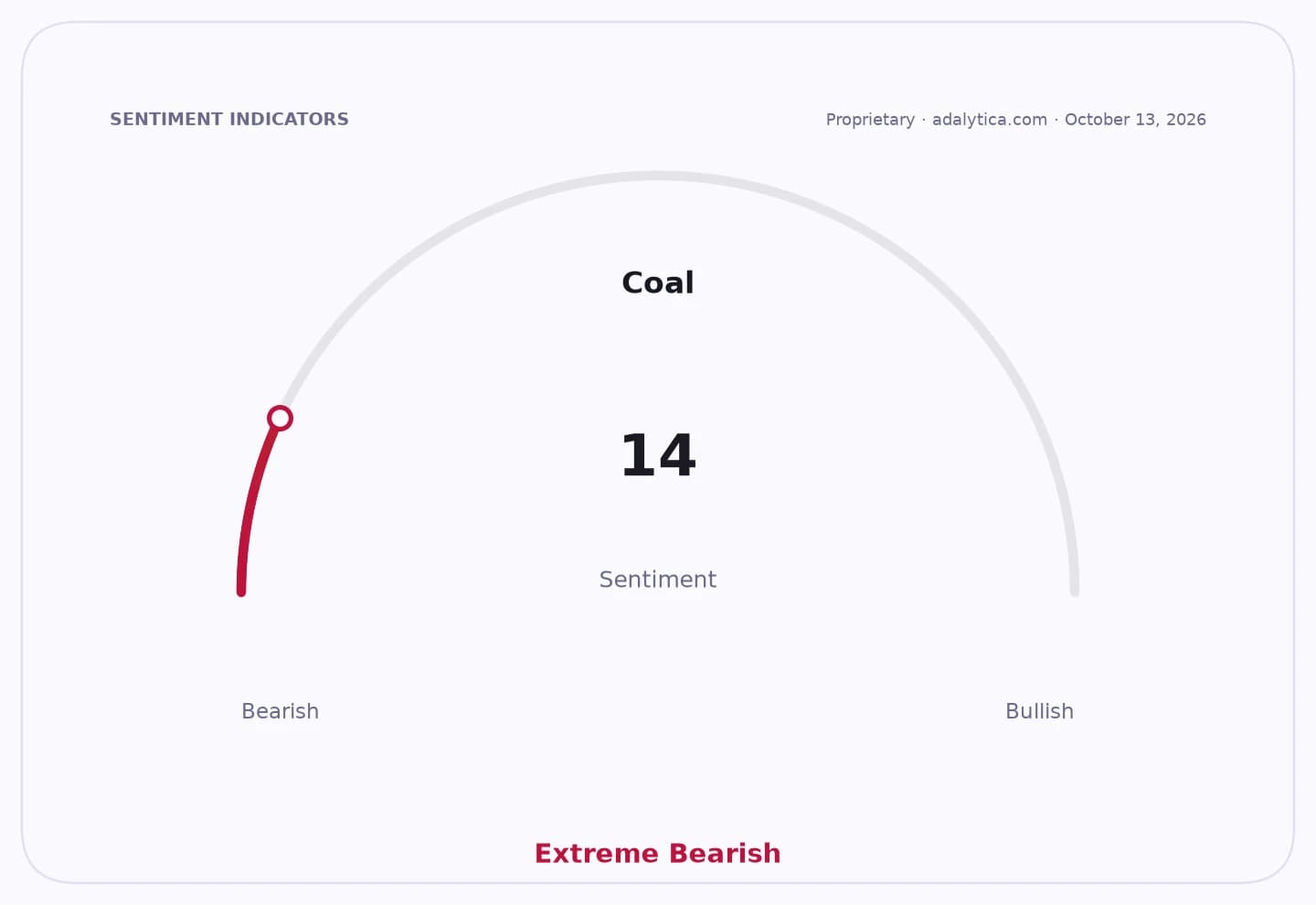
Sentiment IndicatorsⓘProprietary · adalytica.com · October 13, 2026
This is a snapshot — live sentiment, awareness and momentum for 130+ markets update continuously in the dashboard.Open AlphaPulse
The extension matters because coal remains a critical input for Sri Lanka’s electricity system, and any finding of fraud or procedural abuse could force changes in how imports are awarded and financed. That would have implications beyond the current investigation: tighter oversight could improve transparency and reduce leakage in a system that has long been vulnerable to procurement disputes, but it could also slow purchasing decisions and complicate supply arrangements if officials become more cautious.
For investors and counterparties, the immediate issue is not just the commission’s findings but the duration of uncertainty. A longer probe raises the odds of administrative delays, possible contract reviews and reputational fallout for firms and officials tied to past deals. In a sector where timing is important and fuel security is politically charged, even a two-month extension can matter if it pushes sensitive conclusions closer to budget season or forces interim procurement decisions to be taken under a cloud.
The broader narrative is one of governance risk overtaking a routine administrative review. What began as an investigation into coal transactions is becoming a test of how aggressively the new administration will pursue corruption in a strategically important import channel. If the commission uncovers material wrongdoing, it could strengthen the case for tougher procurement controls; if it finds only procedural lapses, the market may view the episode as another reminder that Sri Lanka’s energy imports remain exposed to policy and political risk.
The next catalyst is whether the President approves the extension and whether the commission moves from collecting testimony to publishing findings. That timing will determine whether the probe becomes a one-off accountability exercise or the basis for a wider reset in coal procurement.
| Entity | Gains | Losses |
|---|---|---|
| Special Presidential Commission | ▲More time to complete inquiry | ▼Pressure to close quickly |
| Sri Lankan government | ▲Chance to signal anti-corruption resolve | ▼Short-term procurement uncertainty |
| Coal suppliers/contractors | ▲Possible due-process review | ▼Higher scrutiny and contract risk |
| Electricity consumers/taxpayers | ▲Better procurement transparency | ▼Potential delay in fuel decisions |