Pakistan is sending a large delegation led by Energy Minister Awais Leghari to Russia this week, a sign the two countries are trying to turn a warming political relationship into concrete energy and trade deals that could reshape Pakistan’s supply options and create new openings for Russian exporters.
Pakistan sends energy delegation to Russia
That matters because Pakistan is under persistent pressure from high energy costs, a fragile balance of payments and chronic fuel import needs. Any progress with Russia — a major oil, gas and fuel supplier — could give Islamabad another lever to diversify procurement, negotiate better terms and reduce exposure to volatile global markets. For Moscow, still seeking reliable buyers and partners as Western sanctions reshape its trade routes, Pakistan offers a large market and a strategic gateway into South Asia.
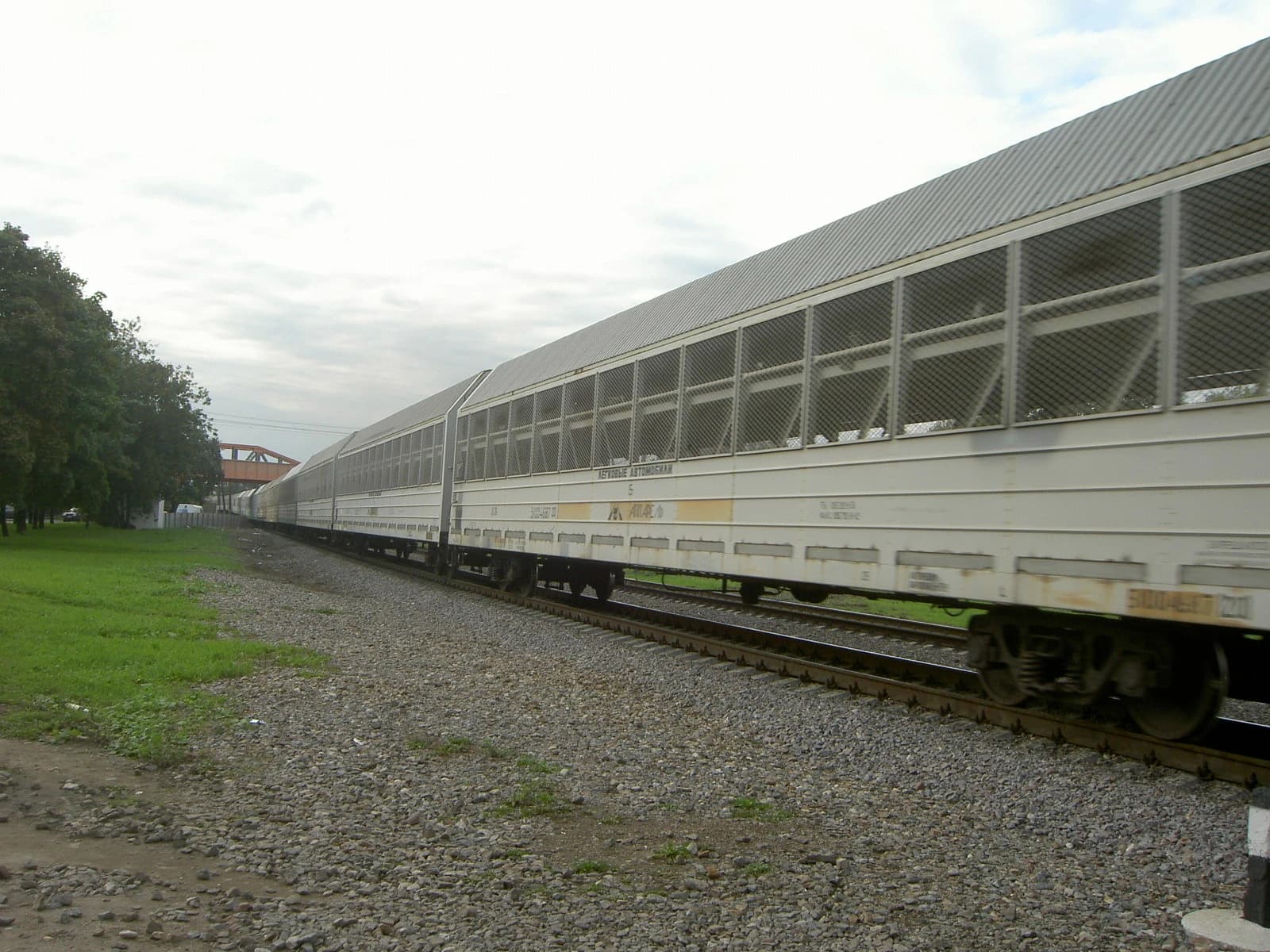
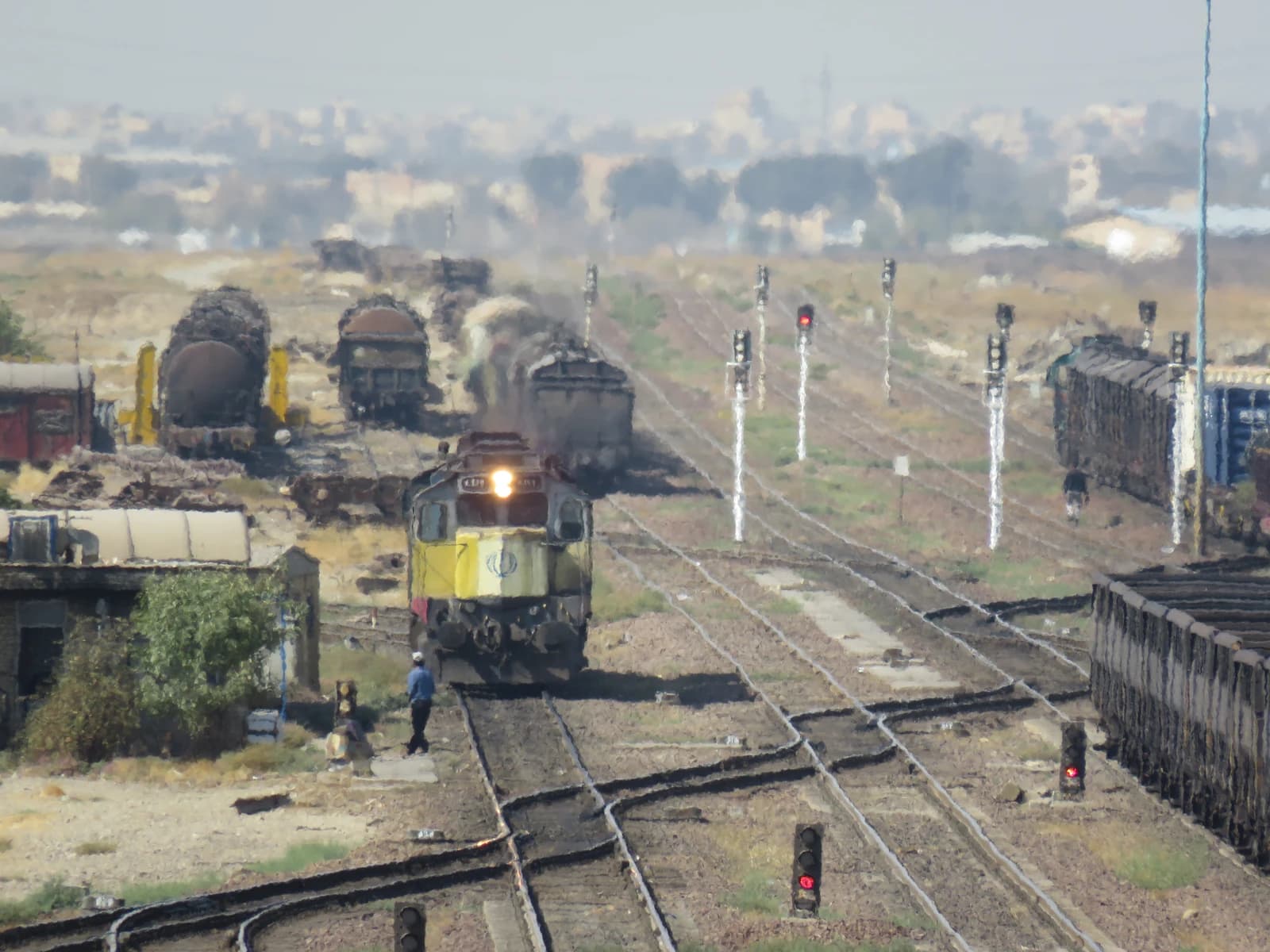
The move comes after both sides’ working groups started meeting on Nov. 23 and agreed on a plan to push practical economic cooperation, according to Pakistan’s ambassador in Moscow. Energy is the centerpiece, but the agenda also includes trade, pharmaceuticals, agriculture and transport. That last piece is especially important: Pakistan sits on the International North-South Transport Corridor, a route Russia has long promoted as a way to shorten and cheapen access to Asian and Middle Eastern markets.
The commercial logic is straightforward. Russia wants to broaden its export geography and lock in non-Western demand. Pakistan wants cheaper, more flexible energy sources and faster logistics. If the talks produce even incremental progress on fuel flows, settlements or transport links, the payoff could be meaningful for both economies — and for companies exposed to freight, commodity trading, refining and infrastructure.
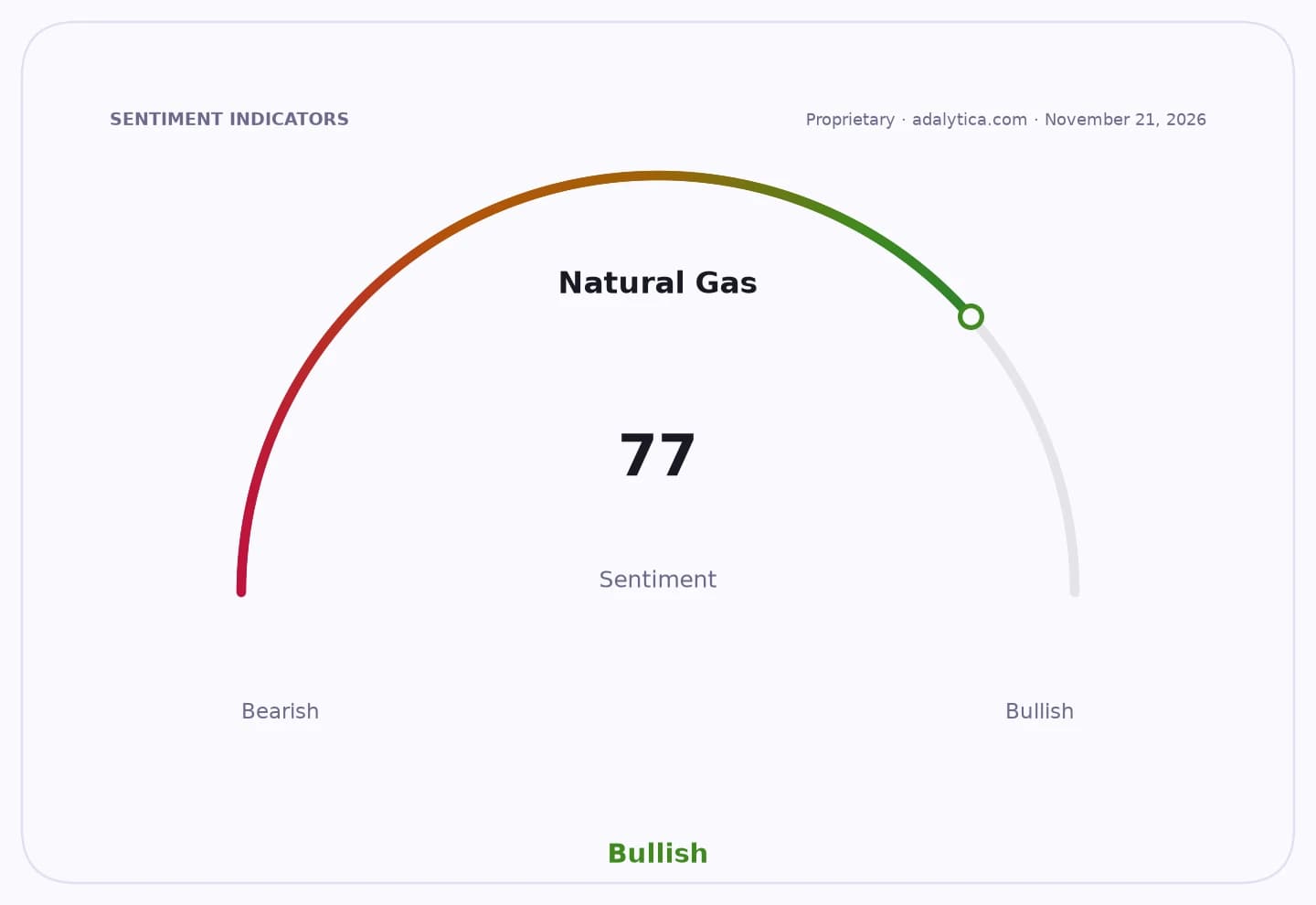
Markets are likely to watch the energy angle first. Global crude remains expensive enough to keep importers cautious, and Pakistan’s dependence on external energy makes it vulnerable to any swing in prices or shipping costs. A deeper Russia-Pakistan energy channel would not only matter for macro stability in Islamabad, it would also reinforce the broader trend of commodity trade shifting away from traditional Western hubs toward more regional and politically aligned corridors.
The bigger narrative is that Pakistan is quietly broadening its strategic options while Russia keeps building a parallel network of partners. If this commission yields follow-through, the next catalyst will be whether the two sides can translate diplomatic momentum into contracts, financing and transport agreements. That is where the real investable story begins: in the infrastructure, logistics and energy names positioned to profit if South Asian trade routes get rewired.
| Entity | Gains | Losses |
|---|---|---|
| Pakistan | ▲cheaper energy options | ▼import dependency risk |
| Russia | ▲new export market | ▼reduced reliance on Western trade |
| Shipping/logistics firms | ▲corridor traffic growth | ▼higher competition on routes |
| Alternative suppliers | ▲pressure on market share | ▼lost fuel demand |