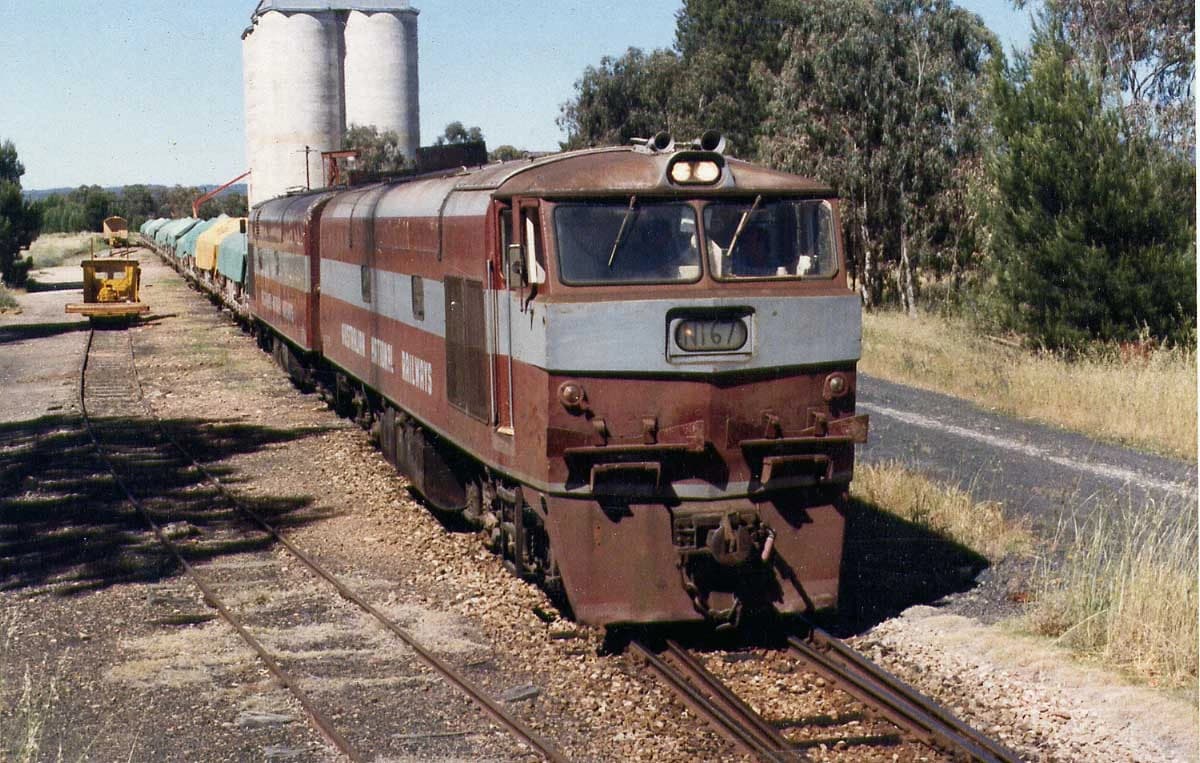
Russian Railways says it is on track to move more than 8 million tons of containers this year, a record in the company’s history, underscoring how Russia’s freight map is being redrawn by sanctions-era trade shifts, stronger grain exports and rising traffic to China and eastern ports.
Russian Railways Freight Hits Record Container Volume
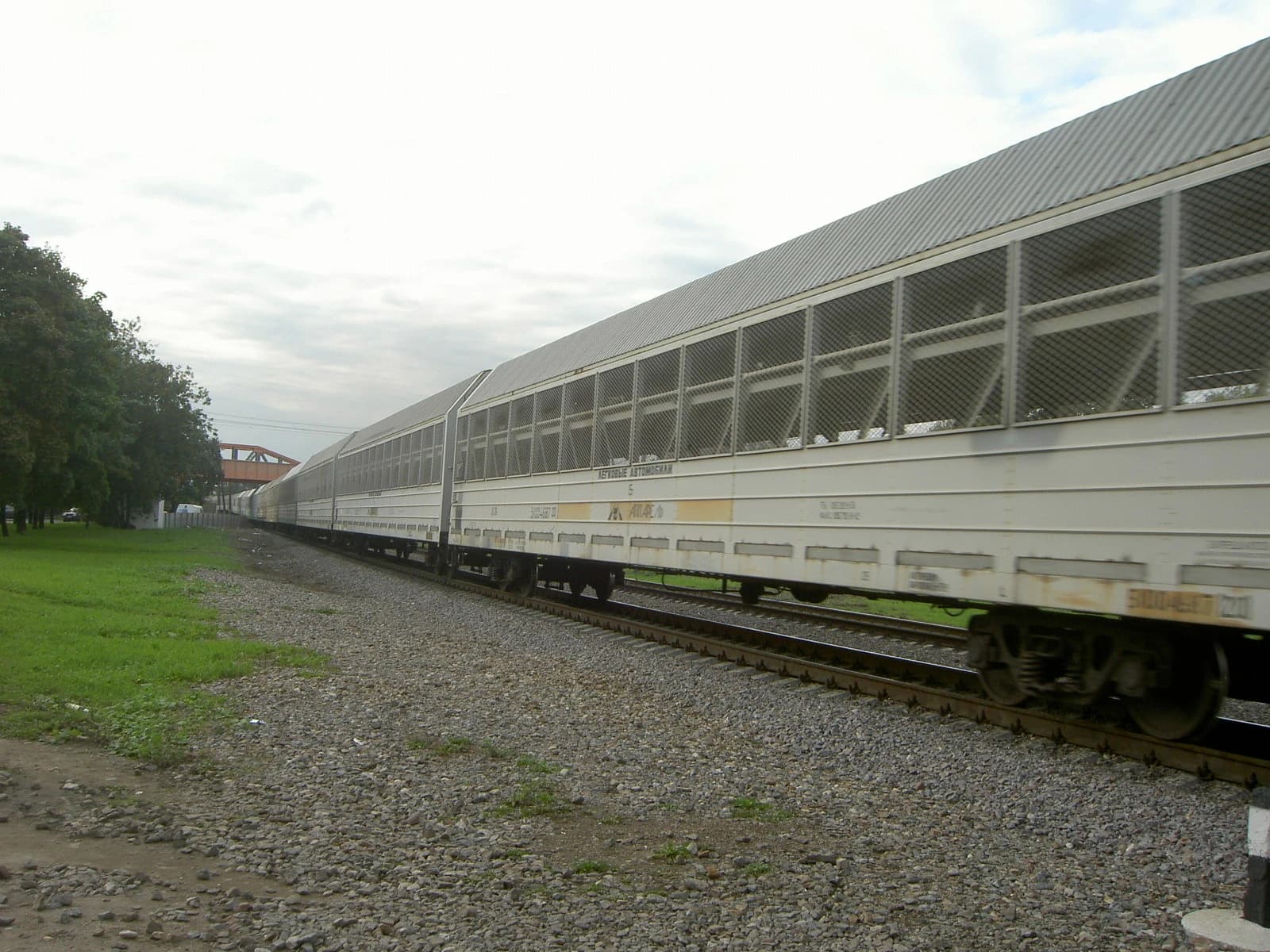
That matters because rail is no longer just a transport story in Russia — it is a barometer of where the economy is still finding demand, where export revenues are flowing and which regions have become strategically important. When freight volumes hit records, it usually means supply chains are adapting, not collapsing, and in this case the biggest winner is the Eastern transport corridor.
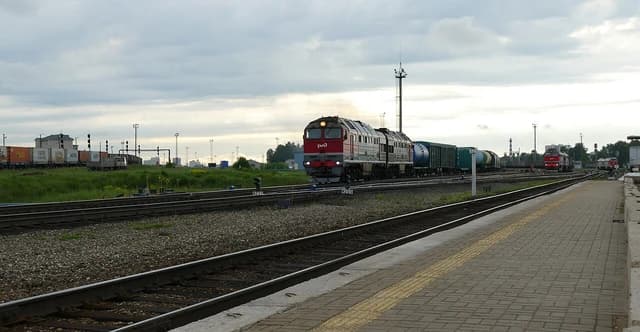
RZD said grain shipments are up nearly 40% from last year, while shipments of metal products, scrap, nonferrous ore and fertilizers have also jumped in recent months. The company said coal volumes through the Eastern Polygon rose almost 4.5%, with more than 102 million tons already moved in that direction, while traffic to China has topped 160 million tons and is still growing by more than 4%.
The shift is being driven by rerouted cargo flows away from the Azov-Black Sea basin toward the northwest and the east, reflecting bottlenecks and constraints in southern routes as well as the pull of Asian markets. For grain exporters, higher road-freight costs and fuel uncertainty have made rail more attractive, while low wagon lease rates have further encouraged shipments by rail and even in containers.
For investors, the key takeaway is that infrastructure capacity is becoming a competitive advantage. Russian Railways has spent years expanding the Eastern Polygon — the Trans-Siberian line and Baikal-Amur Mainline — and that investment is now showing up in volumes. Capacity there has risen from 97.8 million tons in 2013 to 180 million tons this year, with plans to reach 210 million tons by 2030 and 270 million tons by 2032.
The record is also a reminder that Russia’s logistics system is being reshaped around long-term geopolitical realities. China remains the anchor customer, eastern ports are gaining importance and rail-linked exports such as grain and coal are finding a more reliable path to market. That is good for rail infrastructure, terminal operators and exporters able to use the route efficiently, but it also highlights how dependent the system has become on a few corridors and a handful of external buyers.
For long-term investors, the story is less about a single record and more about a secular rerouting of trade. As Russia continues to pour capital into rail capacity, the companies best positioned are likely to be those that own the rails, the wagons, the terminals and the export logistics connecting them. Worth watching — and, for patient investors, a reminder that infrastructure can compound quietly for years.
| Entity | Gains | Losses |
|---|---|---|
| Russian Railways | ▲Record freight volumes | ▼Capacity strain |
| Eastern transport corridor | ▲More traffic and investment | ▼Southern routes losing share |
| Grain and fertilizer shippers | ▲Lower rail costs, better access | ▼Trucking and constrained routes |
| China-facing exporters | ▲Rising demand and throughput | ▼Europe-oriented trade lanes |