Pakistan’s receipt of a Qatar LNG cargo that safely crossed the Strait of Hormuz offers a near-term reprieve for its power system, but it also underlines how exposed the country remains to any renewed disruption in one of the world’s most strategic energy chokepoints.
Pakistan Qatar LNG Cargo Eases Power Shortages

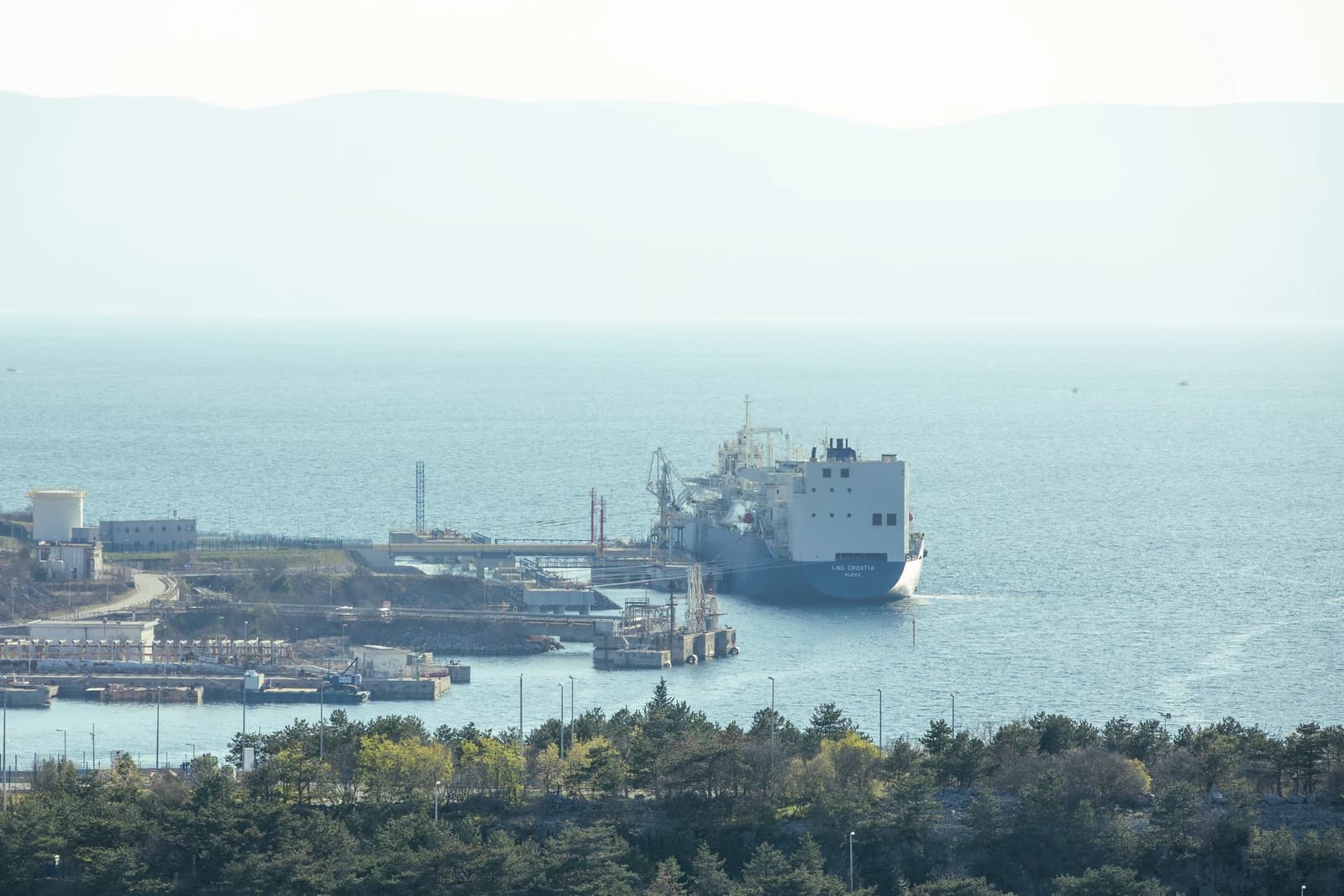
The shipment, carried by the Al Marrouna from Qatar’s Ras Laffan terminal, is due to berth at Port Qasim within days and should help ease fuel shortages that have left parts of Pakistan facing six to 12 hours of daily load shedding. For a country where electricity availability remains tightly linked to imported gas, even one secure cargo can matter: it supports power generation, reduces the risk of emergency outages and gives policymakers a brief window to manage demand and fuel allocations.
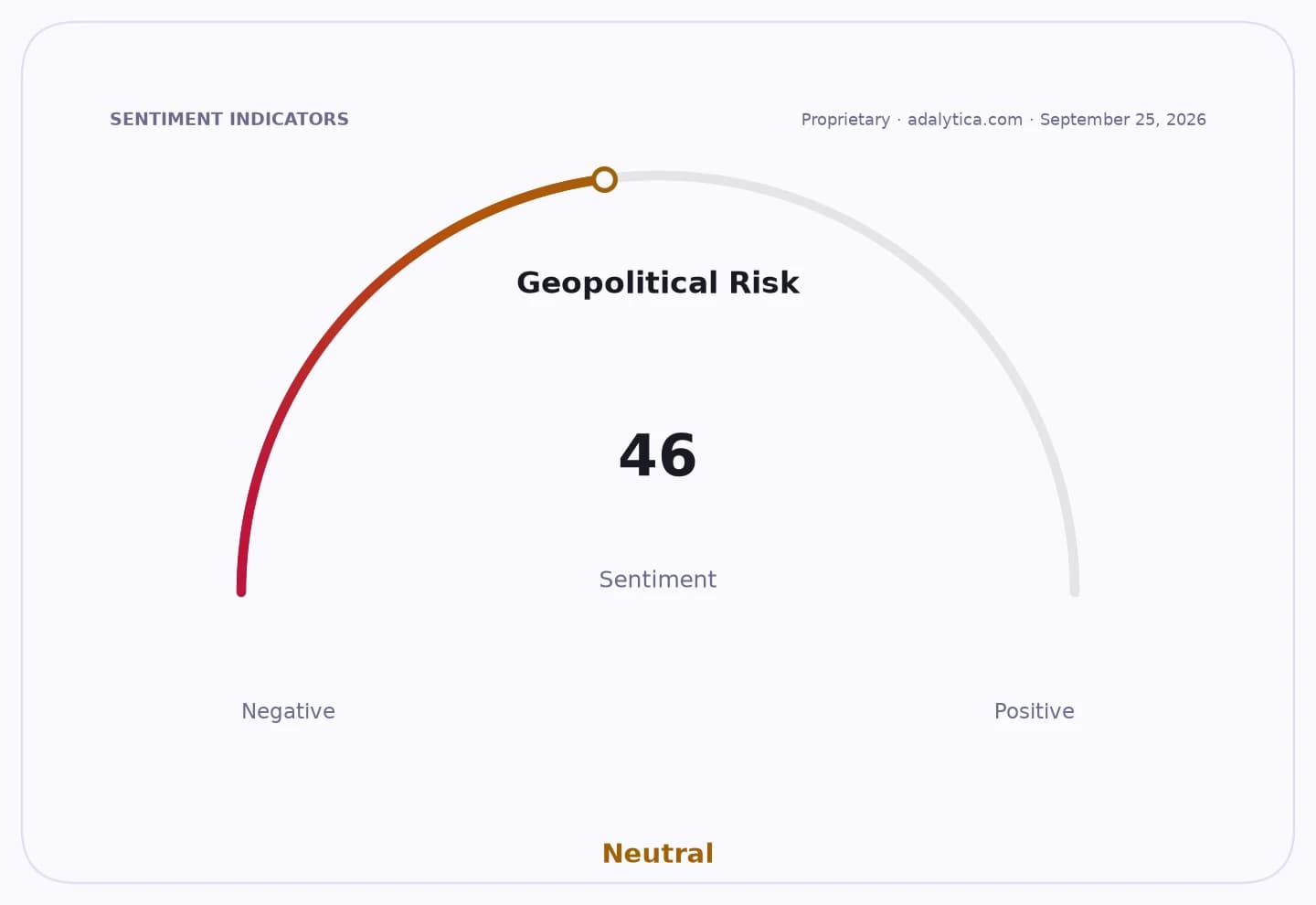
Sentiment IndicatorsⓘProprietary · adalytica.com · September 10, 2026
This is a snapshot — live sentiment, awareness and momentum for 130+ markets update continuously in the dashboard.Open AlphaPulse
The larger significance is not the single cargo itself but the fact that it moved safely through Hormuz at a time when shipping risk had been rising. Qatar is one of Pakistan’s most important LNG suppliers, and any prolonged disruption in the strait would immediately hit Pakistan’s energy security, force it into pricier spot purchases and increase the likelihood of power cuts. That is why Pakistan LNG Ltd. also cancelled a spot LNG tender on Sept. 5, a sign that buyers are still wary of committing into an unstable shipping environment.
For investors, the story is a reminder that LNG supply chains are becoming more geopolitical than purely commercial. European gas prices have already climbed to their highest levels since early 2023 on fears of broader Middle East disruption, reinforcing how quickly a regional conflict can tighten global gas balances and lift procurement costs. In Pakistan’s case, the risk is acute because the country relies on imported LNG to steady a fragile electricity network, while any surge in freight or insurance costs feeds directly into the power sector and the current account.
The immediate bullish case is for utilities and industrial users that benefit from improved fuel availability and fewer outages. The bearish case is that the relief may prove temporary if attacks around the Gulf intensify again, pushing up LNG prices, delaying deliveries and forcing Pakistan back into emergency buying. Qatar, for its part, continues to hedge that dependence by keeping diplomatic channels open and preserving shipping access through Hormuz, but it cannot fully insulate its cargoes from regional volatility.
For now, the cargo offers Pakistan a short-term buffer. The investment question is whether that buffer becomes a pattern of reliable supply or just a brief pause before the next energy shock.
| Entity | Gains | Losses |
|---|---|---|
| Pakistan power sector | ▲Lower outage risk | ▼Still exposed to LNG shocks |
| Qatar LNG exporters | ▲Cargo delivered safely | ▼Higher geopolitical shipping risk |
| LNG buyers in Pakistan | ▲Near-term fuel relief | ▼Delayed spot procurement certainty |
| Global gas market shorts | ▲No immediate supply loss | ▼Tightening risk premium |