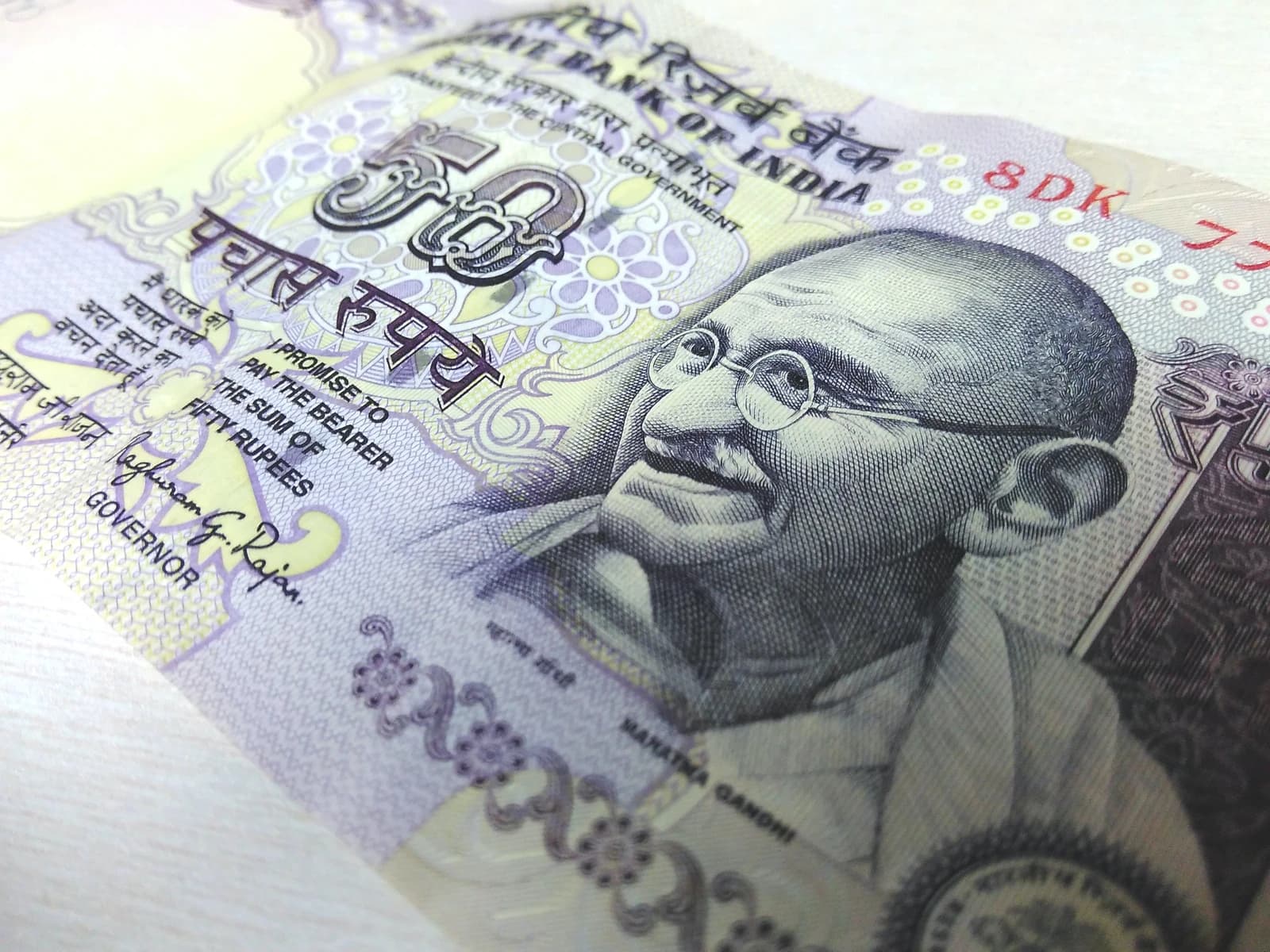
The Pakistani rupee inched up against the US dollar on Thursday, but the real market story is that the greenback remains stubbornly firm globally, keeping pressure on emerging-market currencies and limiting how far the rupee can run.
Pakistan rupee edges up as dollar stays firm
In Karachi’s interbank market, the rupee gained one paisa to close at 277.01 per dollar, compared with 277.02 on Wednesday. That is a tiny move, but it matters because it comes while the dollar is still trading near a 1.5-year high and the Federal Reserve is signaling that inflation remains its top concern. For Pakistan, a stronger or even merely resilient rupee eases some imported inflation pressure, especially on fuel, food and industrial inputs that are priced in dollars.
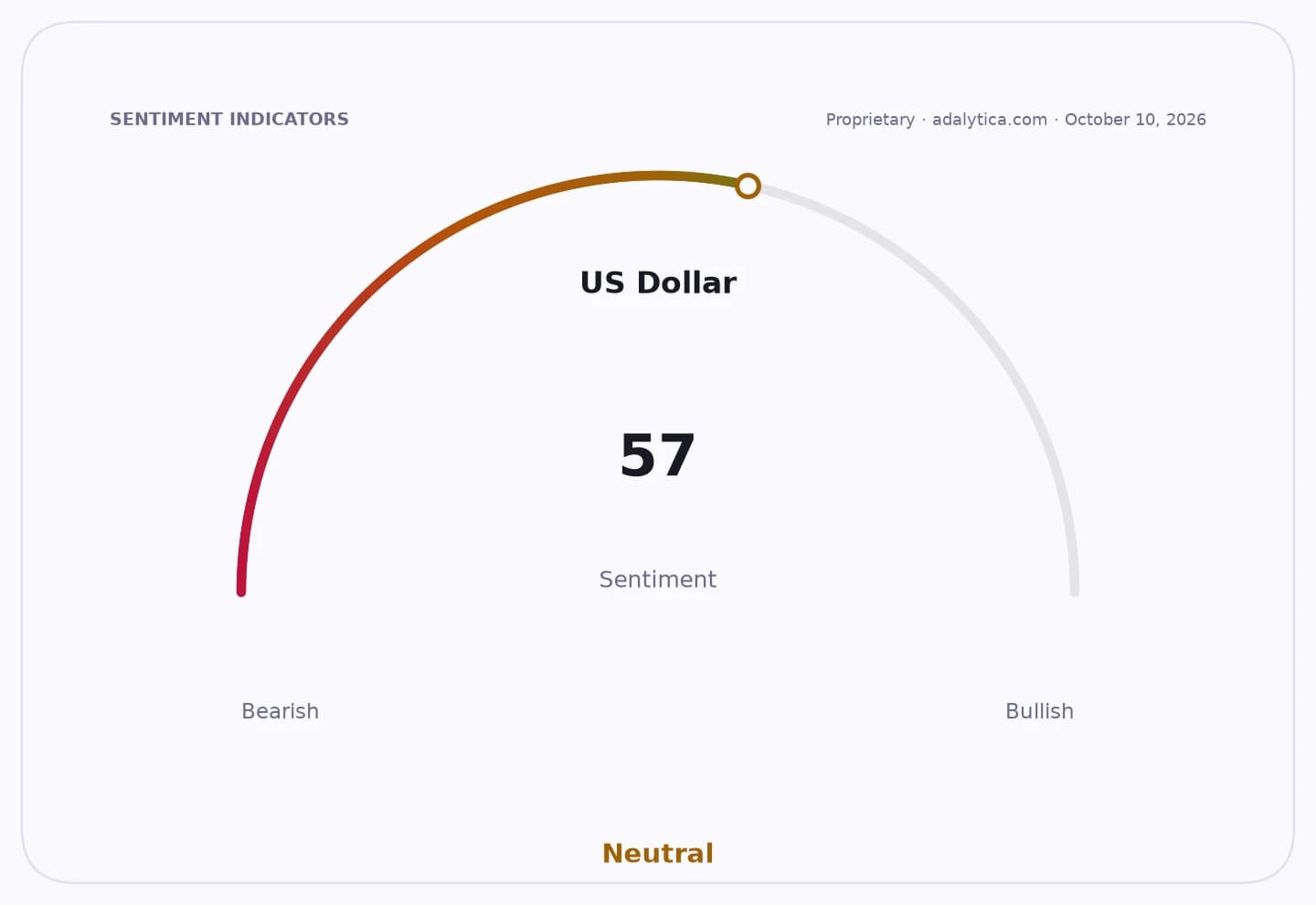
Sentiment IndicatorsⓘProprietary · adalytica.com · October 10, 2026
This is a snapshot — live sentiment, awareness and momentum for 130+ markets update continuously in the dashboard.Open AlphaPulse
The dollar index, which measures the currency against six major peers, held at 102.23 after rising 0.3% in the prior session. Fed minutes reinforced the case for elevated US rates, though futures pricing suggests traders see only a 19% chance of a 25-basis-point hike later this month. Even so, the broader message is clear: US policy is not pivoting quickly enough to trigger a broad dollar selloff, and that is a headwind for currencies like the rupee.
That is why the move in Pakistan’s currency should be read less as a standalone turnaround and more as a fragile advance inside a still-dominant dollar cycle. The rupee’s small gain reflects incremental stability, but it also shows how sensitive local FX is to global rate expectations, capital flows and the balance between external financing needs and imported-dollar demand.
For investors, the implication is straightforward. A firm dollar usually supports defensive positioning in US assets while keeping pressure on frontier and emerging-market currencies. In Pakistan, any further rupee strength would be a relief for import-heavy sectors and inflation-sensitive consumers, but exporters and dollar earners remain better insulated if the greenback stays elevated. The broader market setup still favors watching US rate expectations, because that is what will decide whether this rupee improvement turns into a trend or fades quickly.
Adalytica’s currency signals still point to a dollar that remains well-supported, even as short-term volatility has eased, which argues for caution before betting on a sustained break in the rupee. For now, the best trade is not chasing the headline move, but recognizing that any relief in Pakistan’s exchange rate depends on the next move in US yields and the Fed’s inflation fight.
| Entity | Gains | Losses |
|---|---|---|
| Pakistani importers | ▲Cheaper dollar costs | ▼Currency volatility risk |
| Pakistani consumers | ▲Slight inflation relief | ▼Imported price pressure |
| US dollar bulls | ▲Stronger currency backdrop | ▼Short-dollar positions |
| Pakistani exporters | ▲Weaker-rupee hedge fades | ▼Less FX windfall |