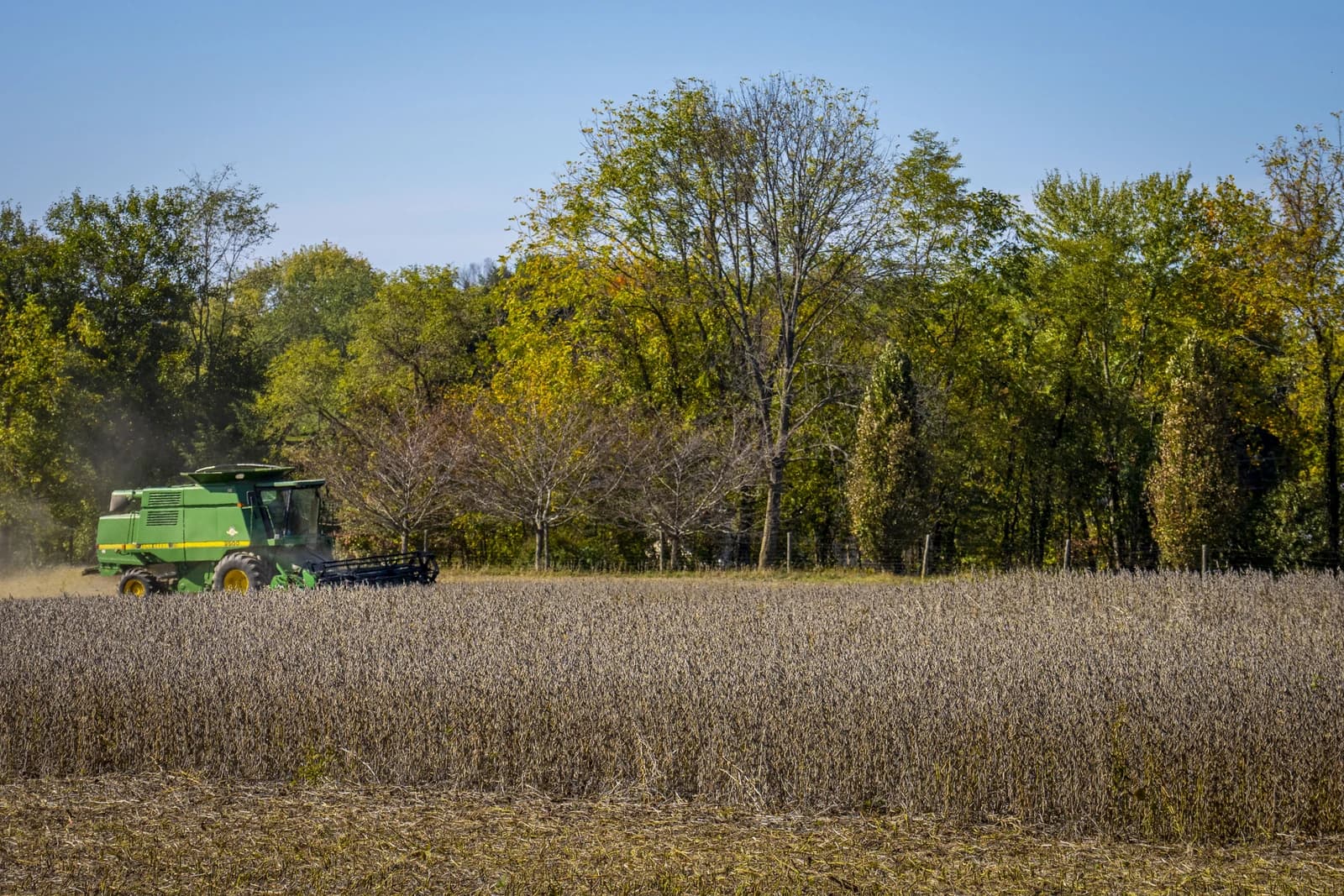
Farmers in Pakistan are reporting that mills are refusing to take wheat, a sign that the country’s grain market is still under strain after supply disruptions triggered a flour shortage and panic buying in key cities.
Pakistan wheat squeeze threatens flour prices
The standoff matters because wheat is Pakistan’s staple crop and the backbone of flour prices, which feed directly into household inflation. When mills stop absorbing supply, farmers lose a critical outlet for their harvest, inventories can clog the system and the pressure shifts quickly to retail markets, where any shortage is felt almost immediately by consumers.
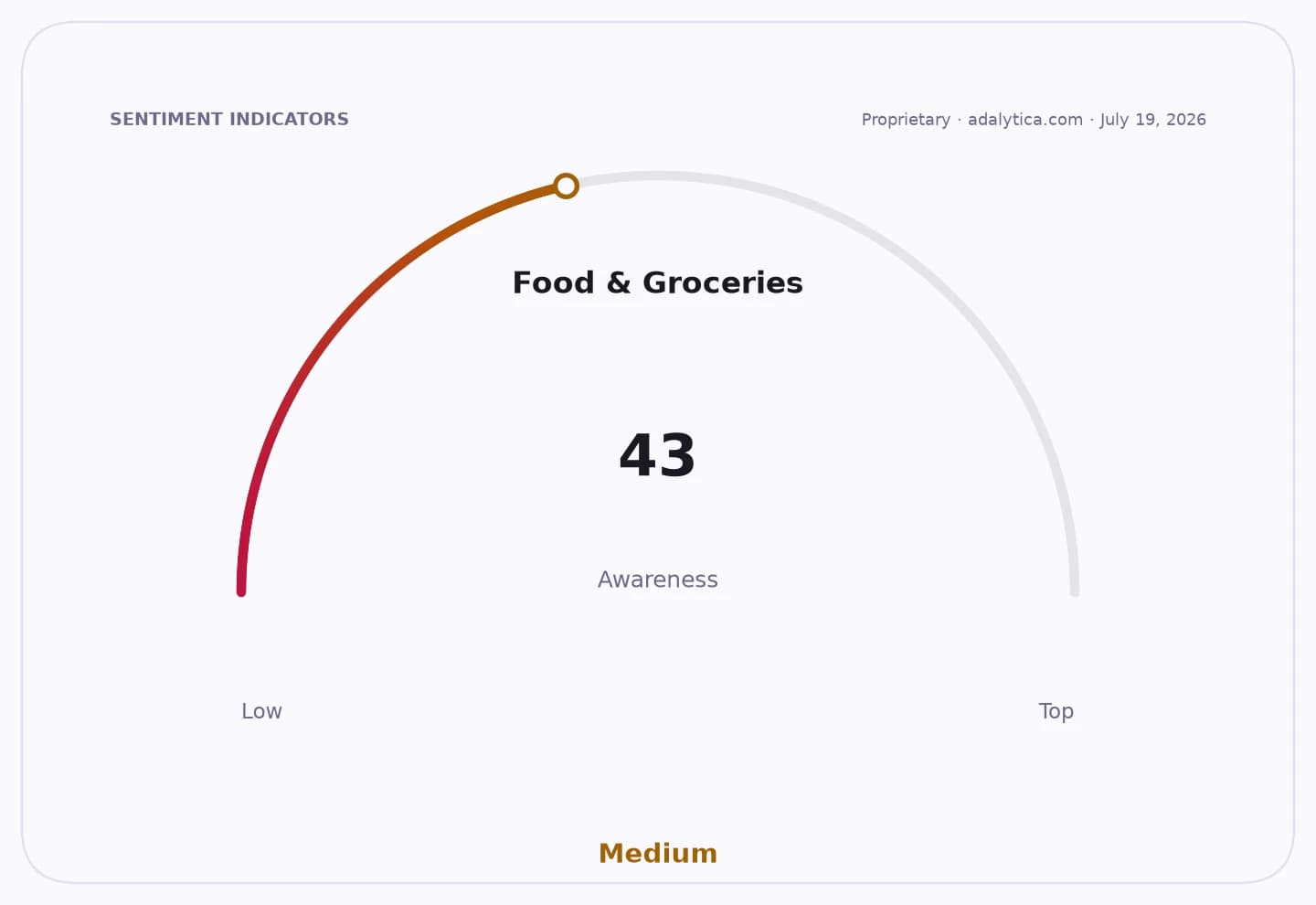
Sentiment IndicatorsⓘProprietary · adalytica.com · July 19, 2026
This is a snapshot — live sentiment, awareness and momentum for 130+ markets update continuously in the dashboard.Open AlphaPulse
Officials in Punjab have moved to restore wheat supplies to mills in Islamabad, but the broader market remains fragile. The Pakistan Flour Mills Association and the Punjab Flour Mills Association have both criticized the wheat import ban, saying it has worsened the squeeze just as local production has been hit by weather-related yield problems in parts of the region.
The shortage is already feeding hoarding fears, particularly in Karachi, where panic buying has added to volatility in flour prices. That raises the risk of a wider inflation spike at a time when food costs remain one of the most politically sensitive issues in the country.
The spillover is not limited to Pakistan. Kazakhstan’s six-month ban on wheat imports underscores how tight global grain flows have become, leaving import-dependent markets more exposed to policy shocks and supply interruptions.
For investors, the key issue is whether the disruption stays contained or forces a larger government response that could alter import policy, subsidy spending and food inflation trends. Agribusiness names and grain traders are likely to remain sensitive to any further restrictions, while local millers and retailers face margin pressure if shortages persist.
Technically, food and grocery spending sentiment tracked by Adalytica.com has jumped to 93, signaling extreme greed, while CPI sentiment is neutral, suggesting traders are watching inflation risks closely but have not yet priced in a sustained demand shock.
The next catalyst is whether Pakistani authorities expand supply releases or relax import restrictions. If they do not, mills’ reluctance to take wheat could turn into a broader shortage that keeps flour prices elevated and raises the odds of more intervention.
| Entity | Gains | Losses |
|---|---|---|
| Farmers | ▲Higher bargaining power if supply is scarce | ▼Cannot sell wheat to mills |
| Mills | ▲Potentially avoid buying at unstable prices | ▼Face raw material shortages |
| Consumers | ▲None | ▼Higher flour prices, panic buying |
| Government | ▲Can intervene to stabilize markets | ▼Faces inflation and political pressure |