Palladium traded at $1,040.5 an ounce on Monday, extending a year-long slide that is reshaping the market for one of the auto industry's most important metals.
Palladium Falls to $1,040 on Auto Demand Weakness
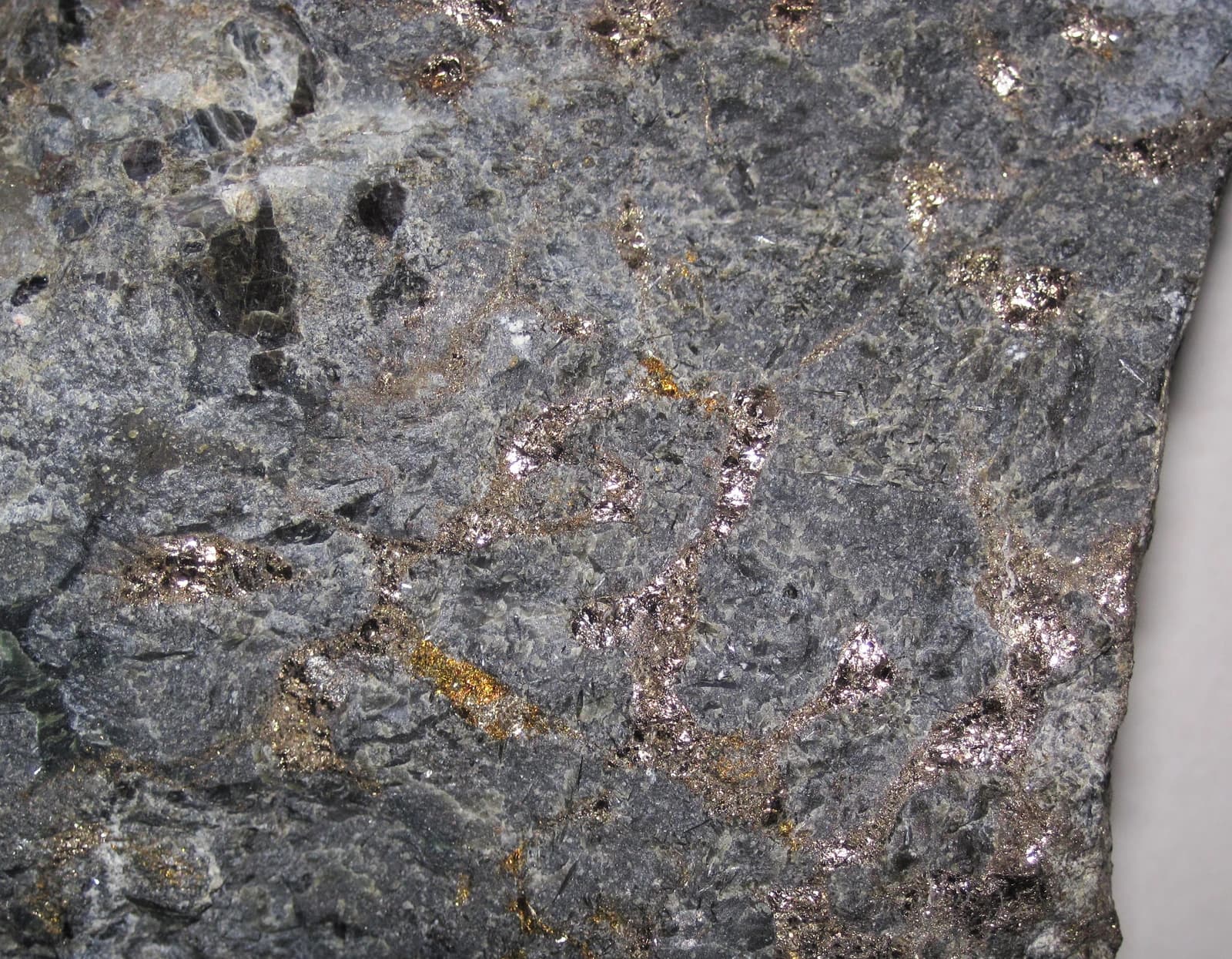
The price is far below this year's peak of $2,169.9 in January and about 40% lower than where it started 2026, underscoring how quickly the palladium story has turned from scarcity to oversupply risk. For investors, that matters because palladium is not just a precious metal — it is a direct read on gasoline-engine production, catalytic-converter demand and the market’s confidence in how fast electric vehicles will displace that demand.
The economic logic is straightforward. Palladium is used mainly in emissions-control systems for gasoline cars, so weaker auto output, slower replacement cycles and rising substitution toward platinum all weigh on prices. At the same time, supply remains concentrated in Russia and South Africa, making the market vulnerable to shocks — but not enough, at least now, to offset the demand drag. The latest move also comes as mine and smelter operations tied to Freeport’s Grasberg complex are recovering, which adds to the supply picture for byproduct metals and keeps a lid on prices.
That is why the metal’s weakness is more than a chart move. Palladium has been one of the cleanest beneficiaries of the combustion-engine era, and its retreat signals the market is pricing a structural transition rather than a temporary correction. The 50-day average on related palladium-tracking products remains below the 200-day average, while RSI readings sit in the middle of the range, pointing to a market that is weak but not yet washed out.
For investors, the setup favors a second-order trade rather than a direct punt on palladium itself. Miners and recyclers with exposure to platinum-group metals may face margin pressure if palladium stays depressed, while platinum could gain from further substitution in auto catalysts. Exchange-traded products tied to palladium also look vulnerable if industrial demand continues to soften and supply from major producers improves.
The bigger takeaway is that palladium is flashing the same message as other hard-asset markets under pressure: demand is losing the race against structural change. Unless auto production tightens sharply or supply disruptions reappear, the path of least resistance remains lower — and that keeps the trade centered on producers, substitutes and the companies best positioned to profit from the shift away from gasoline engines.
| Entity | Gains | Losses |
|---|---|---|
| Platinum producers | ▲Substitution demand | ▼Palladium-linked pricing power |
| Auto catalyst makers | ▲Lower input costs | ▼Less pricing support |
| Palladium miners | ▲— | ▼Margin pressure |
| EV makers | ▲Faster combustion-engine shift | ▼— |