Panama is confronting a fresh inflation risk as higher fuel prices, a stronger US interest-rate backdrop and El Niño-linked supply shocks converge in an economy that is structurally exposed to imported price pressures.
Panama inflation risk rises on oil, US rates, El Niño

The warning matters because Panama does not have its own currency or independent monetary policy. That leaves consumer prices and financing conditions especially vulnerable to outside forces, above all US rates and global energy markets. Economists quoted in local media say the combination could lift transport, production and food costs at the same time, tightening household budgets and squeezing businesses already operating on thinner margins.
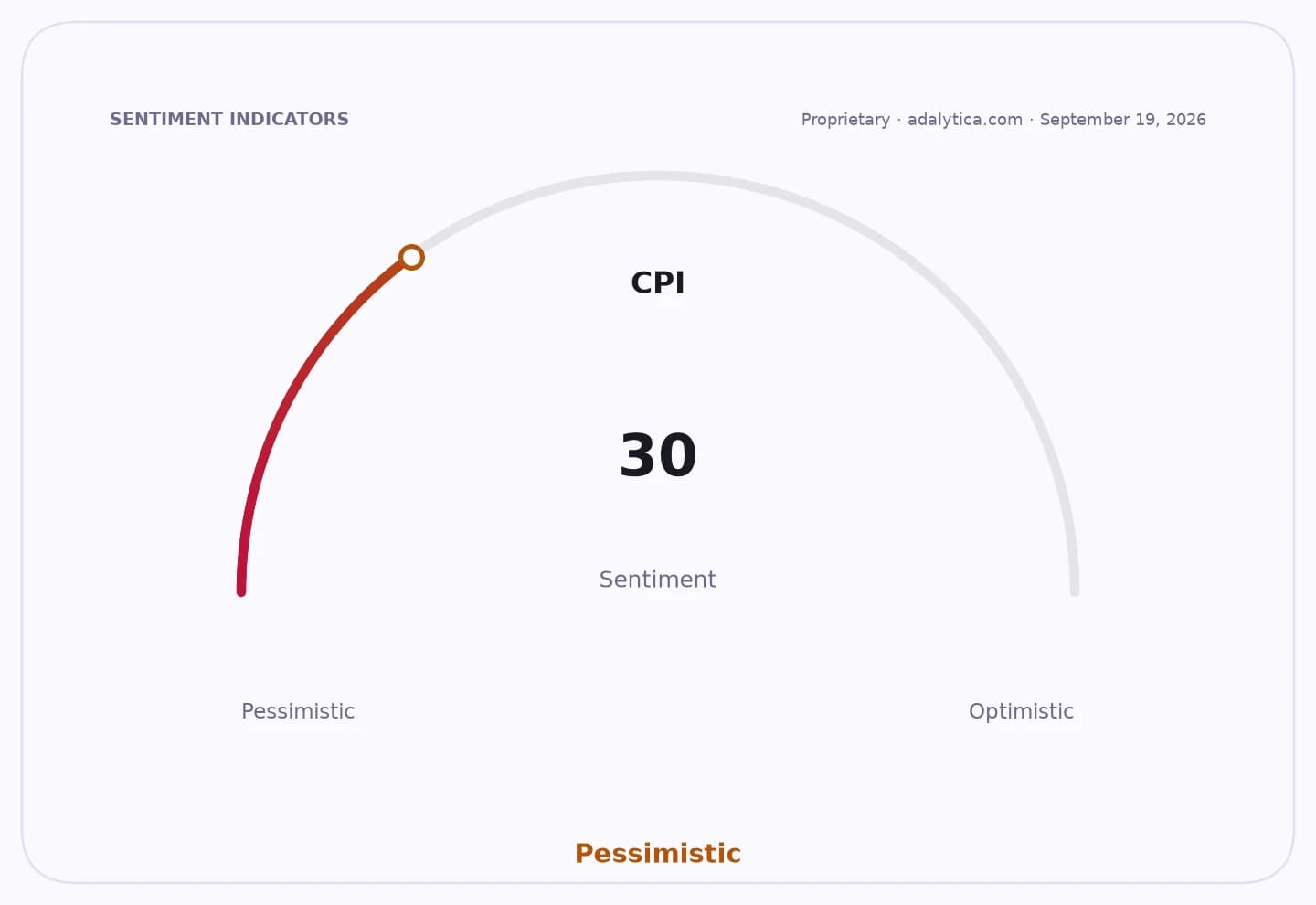
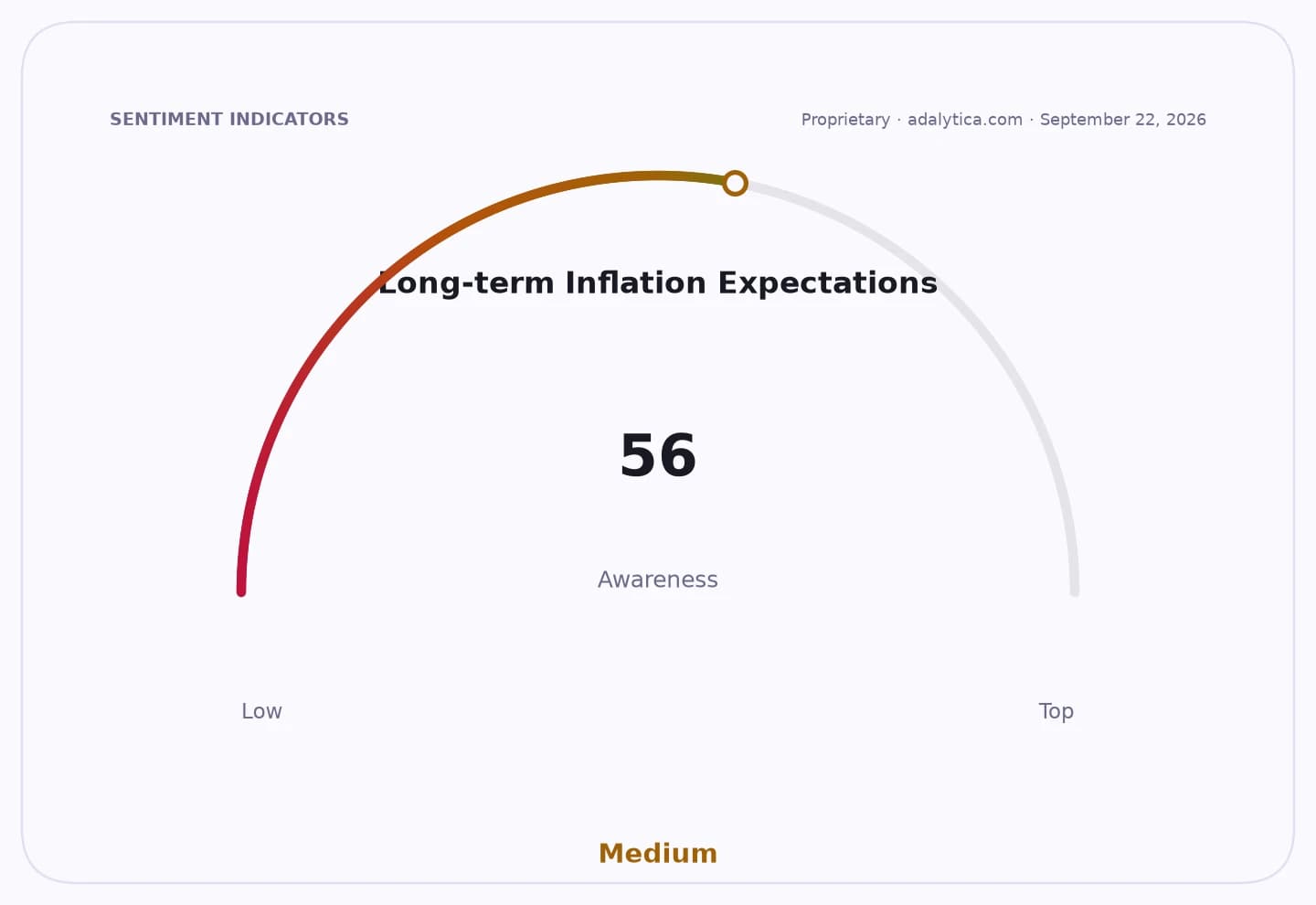
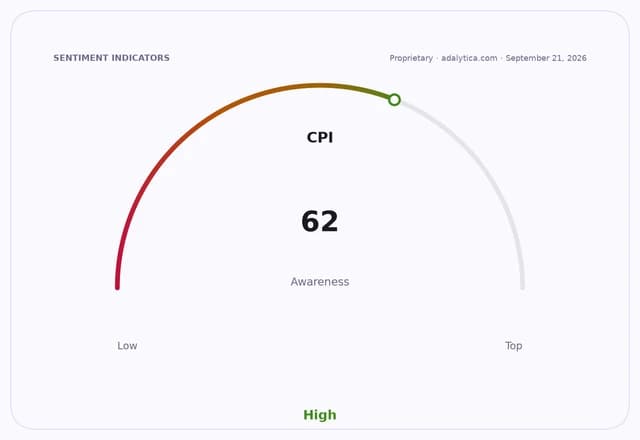
Sentiment IndicatorsⓘProprietary · adalytica.com · September 21, 2026
This is a snapshot — live sentiment, awareness and momentum for 130+ markets update continuously in the dashboard.Open AlphaPulse
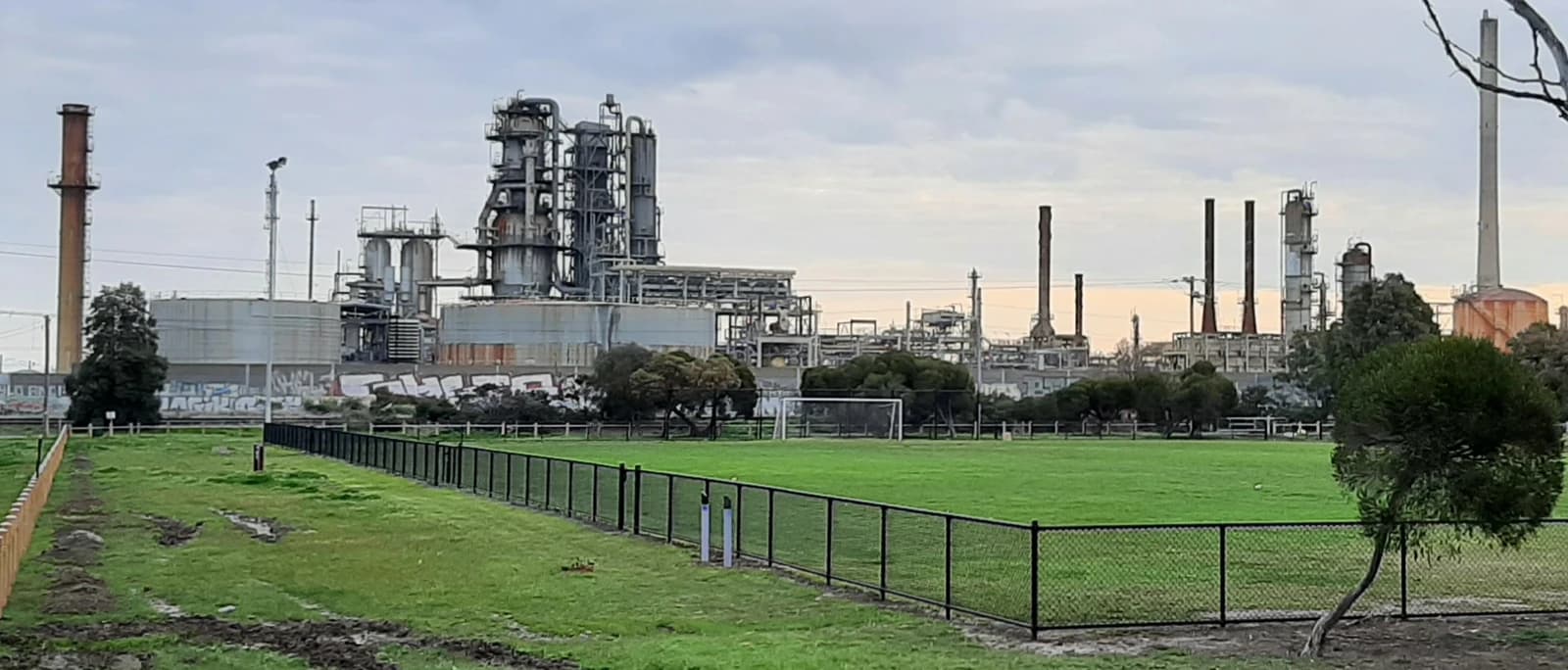
Oil is the most immediate channel. Brent’s push above the $100-a-barrel threshold cited by local economists would feed through quickly in a dollarized economy such as Panama, where imported fuel costs ripple across logistics, agriculture and retail. The latest market data show US oil-linked exposure remains elevated: the USO crude proxy has climbed to 148.16, far above its 50-day moving average of 133.31, while its RSI reading of 64.7 indicates the rally has not been fully unwound. That points to a market still pricing in persistent energy tightness rather than a short-lived spike.
The inflation backdrop is already firming. Panama’s consumer price index rose to 334.131 in August from 332.813 in July, while the producer price gauge increased to 287.928 from 285.181 over the same period. Those are not explosive readings, but they show costs are moving higher at both the consumer and producer levels after a period of relative stability. A forecast for September still points to only a small dip in CPI, suggesting the near-term risk is not a collapse in prices but a gradual reacceleration if external shocks intensify.
US monetary policy adds another layer of pressure. The Federal Reserve’s higher-for-longer stance lifts the cost of dollar funding across the region and can work its way into Panama’s banking system through deposit and lending rates. That is important for investors because tighter financing conditions can slow credit growth, weaken consumer demand and eventually restrain economic activity, even if inflation remains the more visible threat in the short term. The stronger dollar also raises the cost of imported goods and commodities for countries that settle in dollars but rely heavily on foreign supply chains.
El Niño makes the story more dangerous because it can turn a price problem into a supply problem. In Panama, where agriculture still matters for food inflation, hotter and drier conditions can reduce output and push up prices for staples. That gives the inflation shock a broader base than fuel alone, and makes it harder for households to adjust by substituting away from one expensive item. It also means the impact could be uneven, hitting lower-income consumers more severely through food and transport.
For investors, the key question is whether this becomes a temporary imported inflation wave or a broader cycle that changes rate and credit assumptions. Banks are the first transmission mechanism to watch. Higher funding costs and cautious loan pricing could weigh on margins and loan demand, even if the system remains well capitalized. Consumer-linked sectors, logistics and food distributors would face the fastest squeeze if fuel and farm costs keep rising. A sustained rise in US rates and oil would also strengthen the case for defensive positioning in Panama-sensitive assets.
The bull case is that the shock remains external and transient: if oil retreats, El Niño proves mild and the Fed pauses, Panama can absorb the pressure without a major inflation breakout. The bear case is that the three forces reinforce one another, pushing costs higher across transport, food and credit just as households and businesses are least prepared. For now, the balance of risks has shifted toward the latter.
| Entity | Gains | Losses |
|---|---|---|
| Oil producers | ▲Higher realized prices | ▼Price-sensitive consumers |
| Panama banks | ▲Wider lending spreads | ▼Loan demand, credit quality |
| Consumers | ▲None | ▼Higher living costs |
| Importers, retailers | ▲None | ▼Higher transport and input costs |