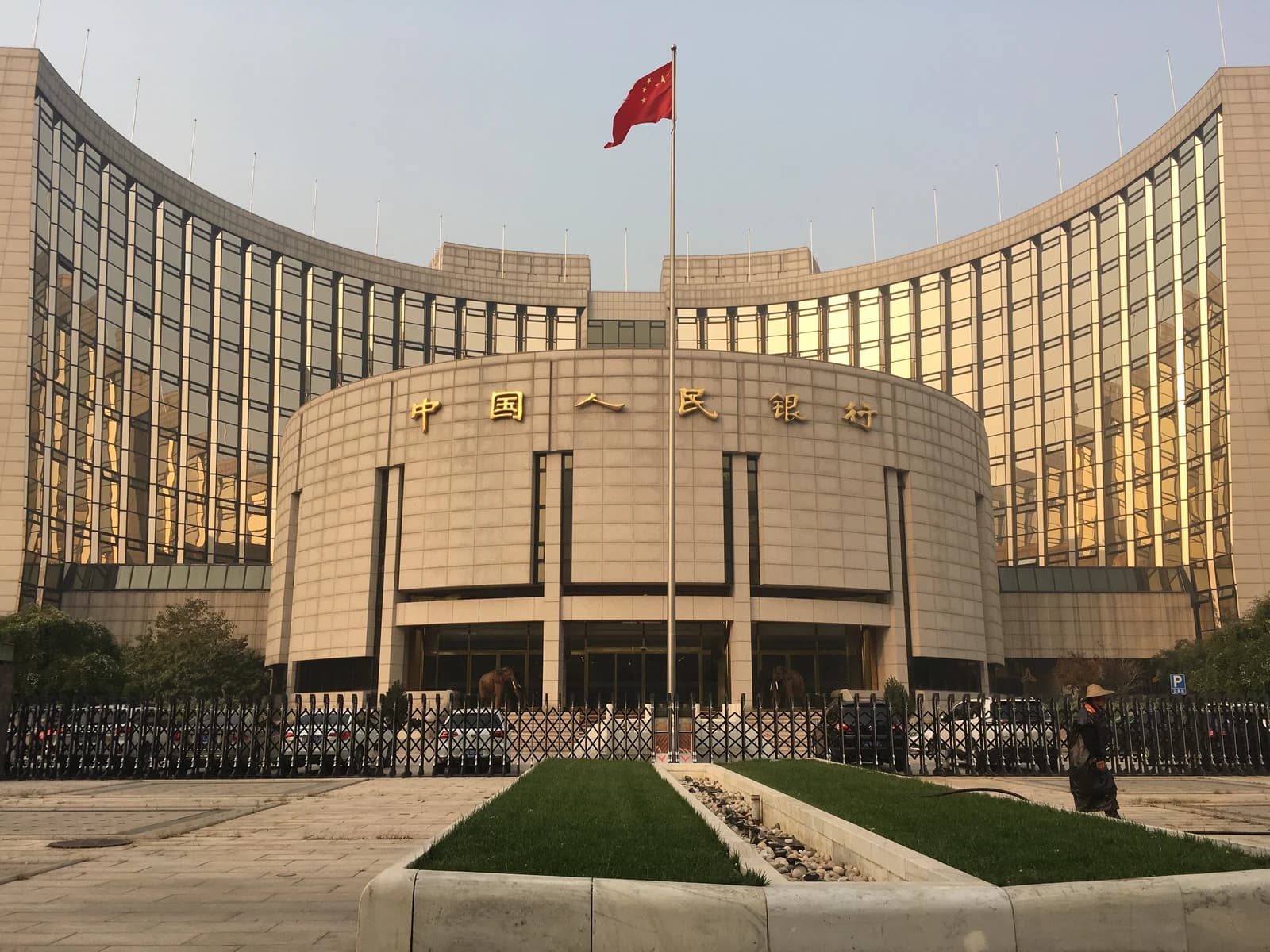
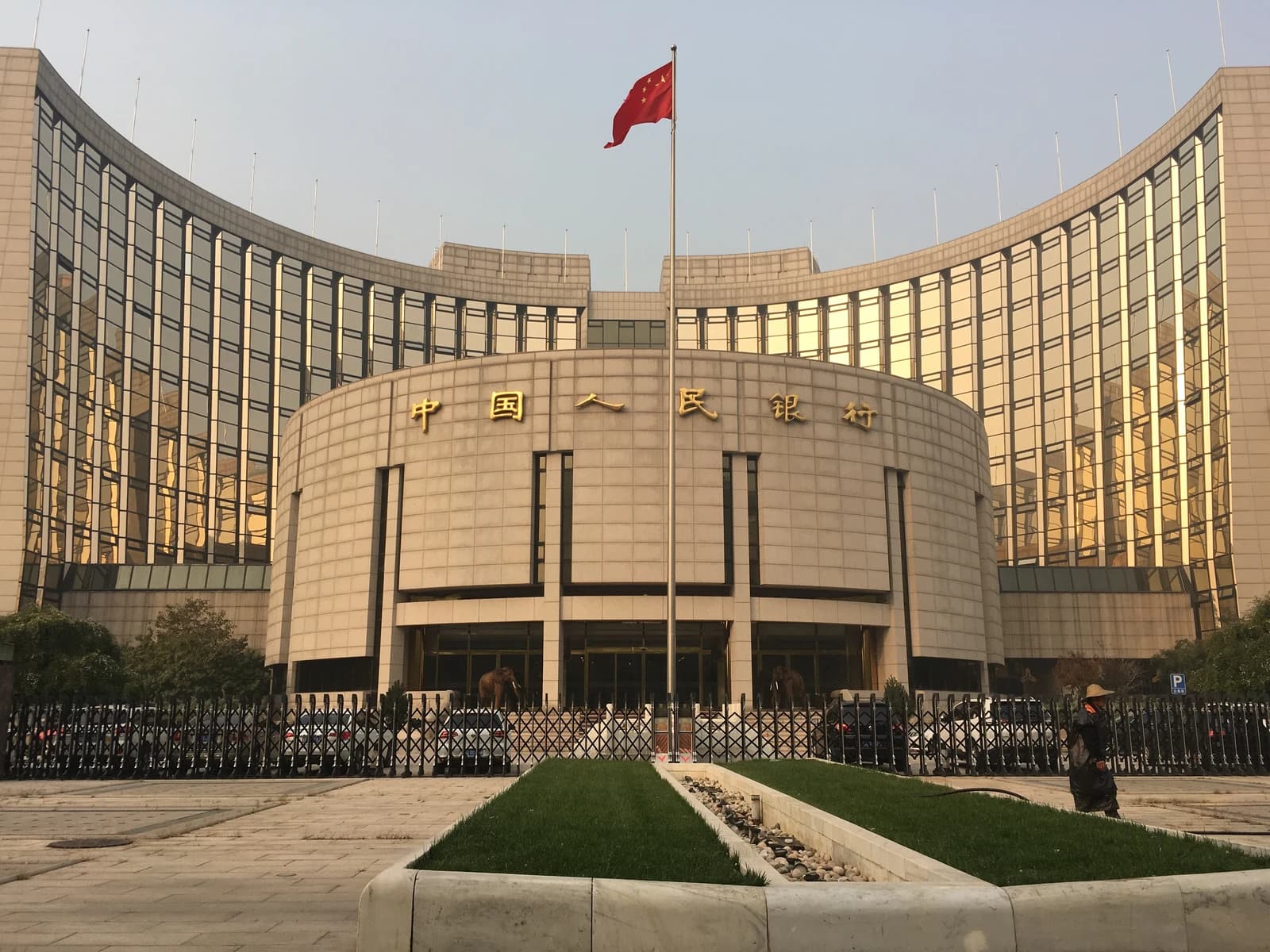
The People’s Bank of China is expected to lift the yuan’s daily midpoint to 6.7973 against the dollar, extending a shift that matters for trade, capital flows and market expectations even as Beijing keeps the currency under tight management.
PBOC Expected to Lift Yuan Midpoint to 6.7973
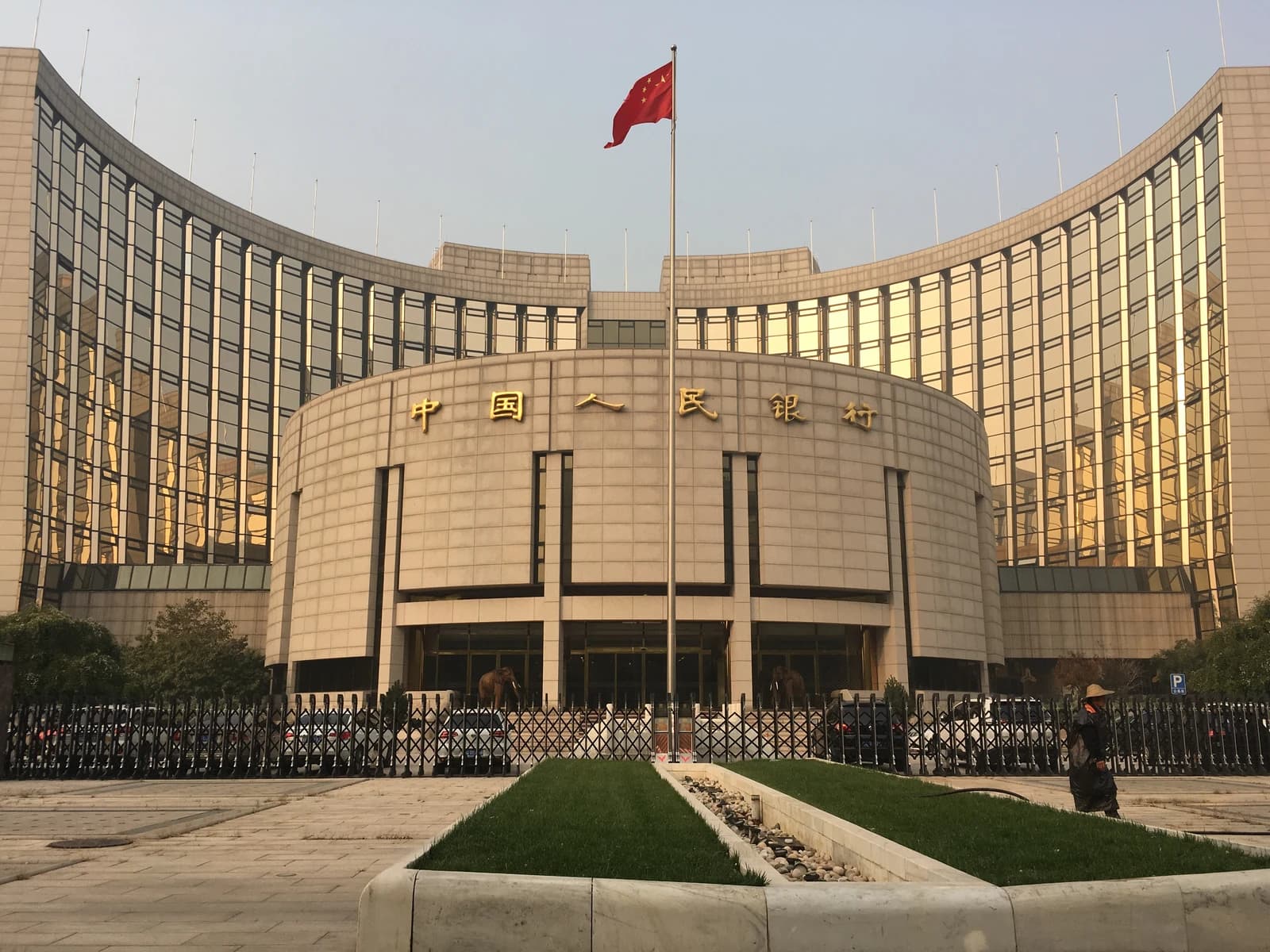
The fixing has become one of the most closely watched signals in Asian foreign exchange because it tells traders how far the central bank is willing to let the yuan move. A stronger-than-expected reference rate would reinforce the message that policymakers are comfortable with a gradual appreciation, at least for now, rather than defending a weaker currency to support exporters.
Sentiment IndicatorsⓘProprietary · adalytica.com · October 10, 2026
This is a snapshot — live sentiment, awareness and momentum for 130+ markets update continuously in the dashboard.Open AlphaPulse
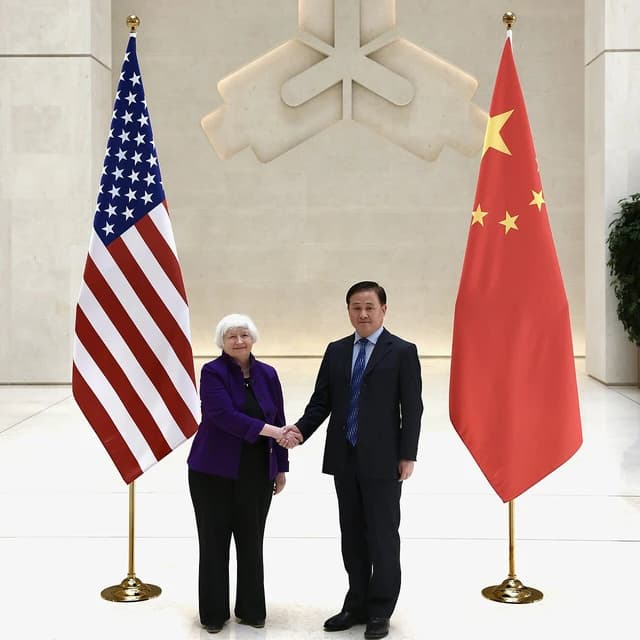
That would be a notable change in tone after nearly a year in which the PBOC repeatedly set the midpoint weaker than Reuters estimates, a pattern markets read as an effort to slow yuan gains. Since September, however, the central bank has raised the fixing for eight straight sessions, the longest such run since 2023, taking the midpoint to its strongest level since February 2023.
The onshore yuan has responded, trading at levels last seen in January 2023, while the offshore rate has firmed to its strongest since July 2022. The move has also filtered into broader market pricing: the yuan’s recent climb has been accompanied by weaker demand for dollar hedges and renewed attention on Asian carry trades, which have become more vulnerable as U.S.-China policy signals shift.
Economically, a firmer yuan helps lower the local cost of imports and can support capital stability at a time when Beijing is still trying to restore confidence in growth and financial markets. But it also risks squeezing exporters, many of whom are already operating with thin margins after years of external demand volatility and domestic weakness. That tension explains why the PBOC appears to be allowing only a measured rise rather than a sharp revaluation.
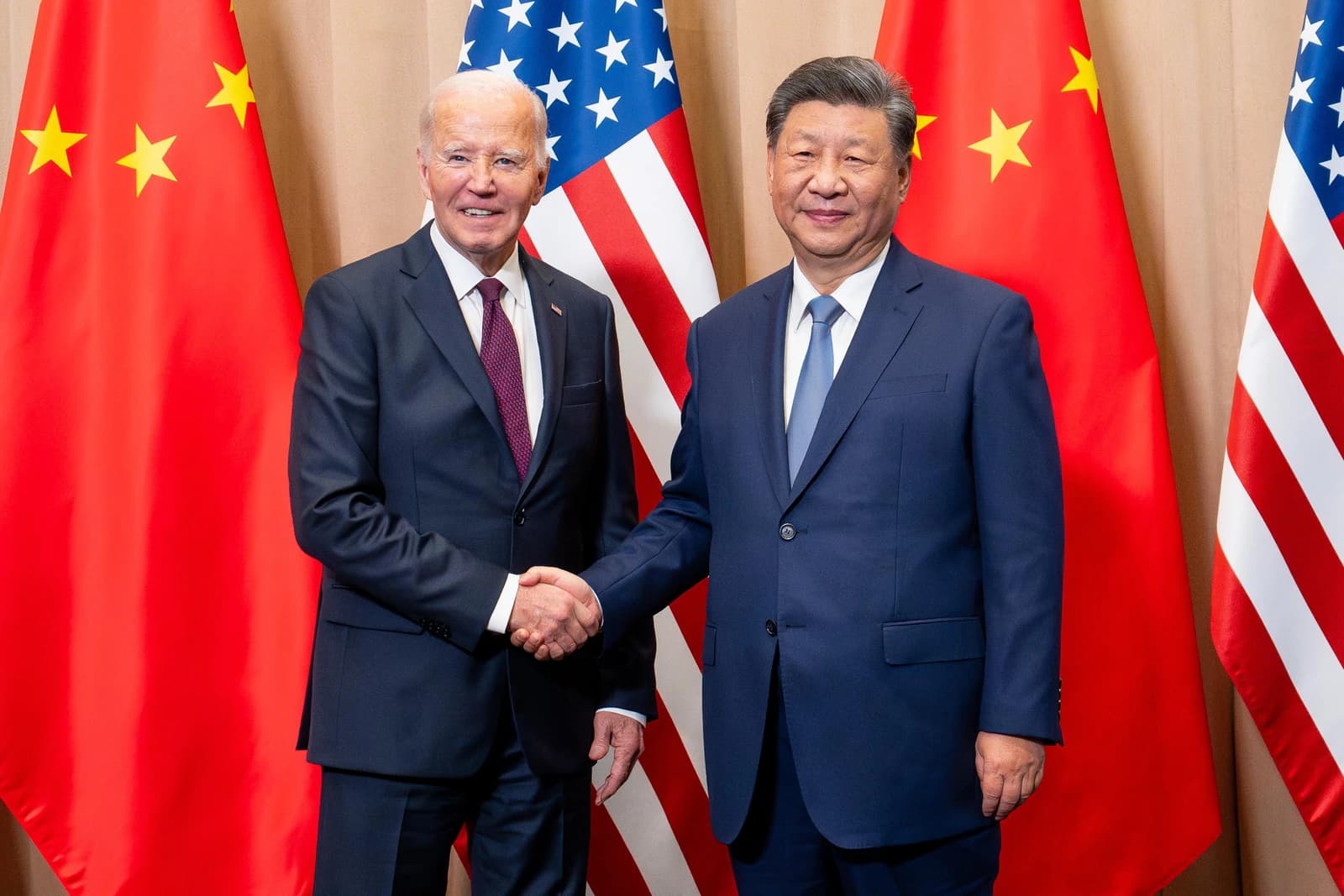
Goldman Sachs analysts said the firmer fixings coincide with the run-up to a Trump-Xi summit and fit a familiar pattern in which Beijing uses the exchange rate as a diplomatic signal. That interpretation matters because it suggests the central bank’s tolerance for yuan strength may be linked not just to domestic conditions but also to the state of U.S.-China relations.
For investors, the key question is not whether the yuan strengthens further, but whether the PBOC continues to narrow the gap between the fixing and market forecasts after the summit. A persistent stronger bias would favor yuan bulls, pressure short-dollar positions and likely weigh on China’s export sector. A return to systematically weaker-than-expected fixings would tell traders Beijing is once again leaning against appreciation.
The daily fixing remains the clearest guide to the PBOC’s intent. If the central bank keeps nudging the midpoint higher, markets will read that as a controlled reset in policy rather than a one-off gesture.
| Entity | Gains | Losses |
|---|---|---|
| PBOC / Beijing | ▲Greater FX credibility | ▼Less room to support exporters |
| Yuan bulls / importers | ▲Stronger currency, lower import costs | ▼— |
| Chinese exporters | ▲— | ▼Margin pressure from a firmer yuan |
| Dollar longs / carry traders | ▲— | ▼Lower returns, higher hedging costs |