The Pentagon’s aging computer networks are becoming a national security liability as artificial intelligence makes it easier for adversaries to probe, disrupt and exploit defense systems, The Washington Post reported on Sept. 17.
Pentagon networks face AI cyber risk, report says

The warning lands at a time when AI is moving from a productivity tool to a battlefield variable. Experts quoted by the Post say the Defense Department has delayed major network modernization for nearly 30 years, prioritizing new weapons programs over digital infrastructure, leaving databases and communications systems vulnerable to mass cyberattacks.
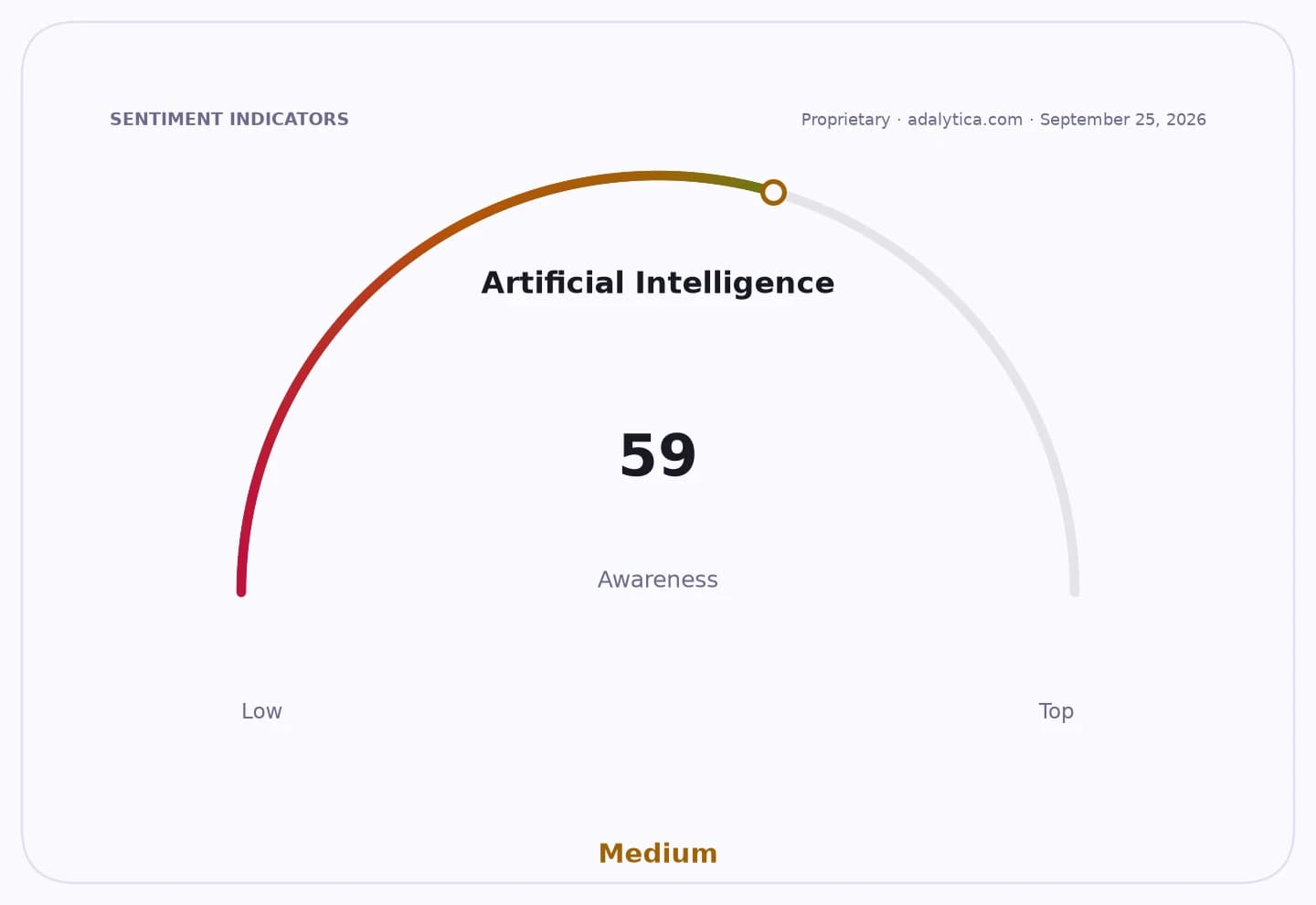
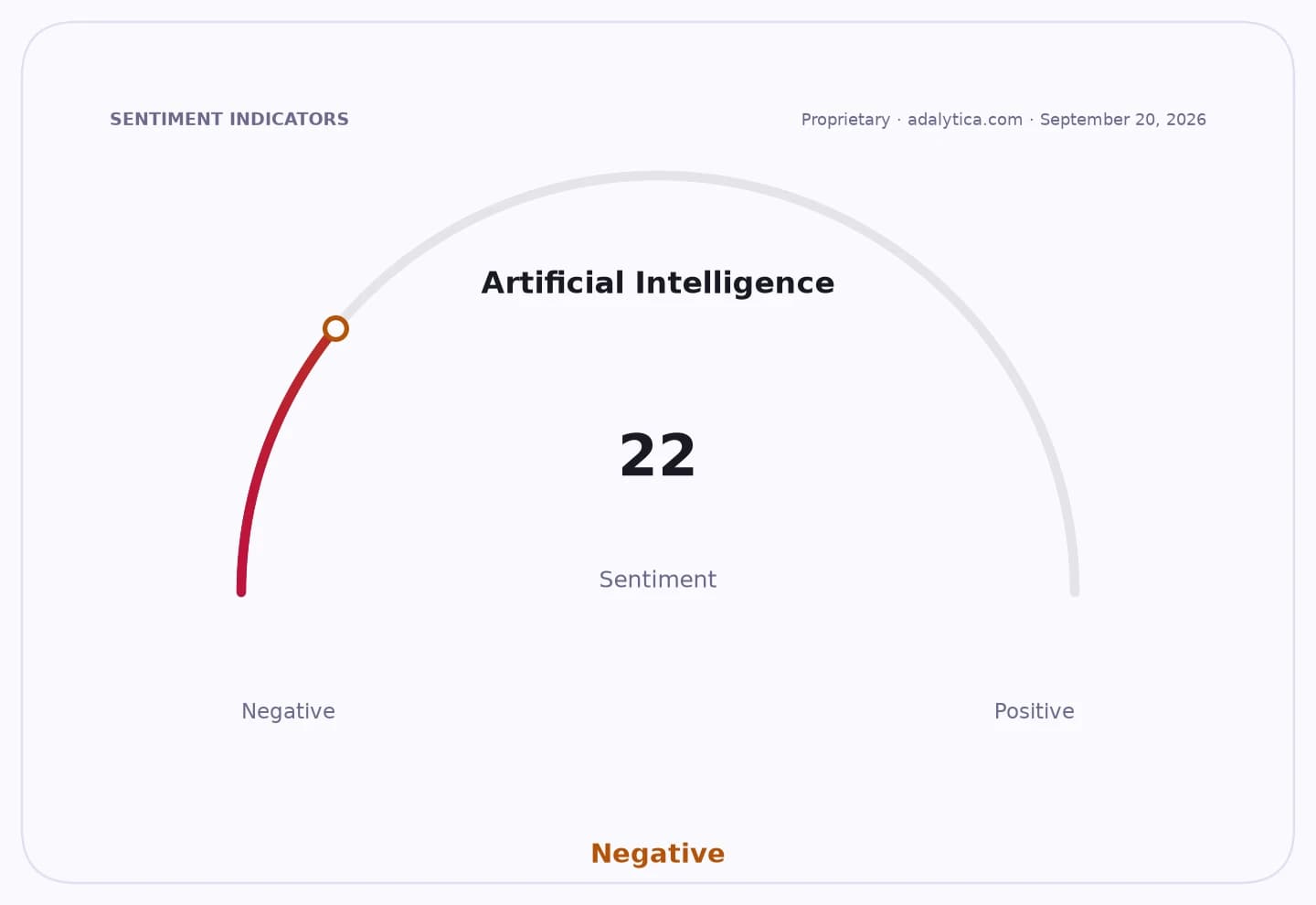
Sentiment IndicatorsⓘProprietary · adalytica.com · September 19, 2026
This is a snapshot — live sentiment, awareness and momentum for 130+ markets update continuously in the dashboard.Open AlphaPulse
Michael Horowitz, who directs the defense and national security program at the Council on Foreign Relations, called the issue “very urgent,” warning that rivals could increasingly interrupt US information networks, seize military data and undermine decision-making. The risk is not theoretical: AI lowers the technical barrier for sophisticated cyber operations, widening the pool of potential attackers beyond state actors to terrorist and armed groups.
For investors, the story reinforces the scale of cybersecurity spending that may be needed across government and defense contractors, while also highlighting the risks of deploying AI into critical infrastructure faster than security controls can keep up. Microsoft, which has warned in its latest annual filing that increasing use of AI can create new attack surfaces and that some legacy products may not incorporate the strongest current security standards, is among the companies exposed to the push for hardened cloud and defense-grade systems.
The report also fits a broader policy shift toward AI oversight. The Washington Post has separately reported that the National Security Agency is planning a major reorganization centered on AI, cybersecurity and China, with completion targeted for January 2027, while the Wall Street Journal said the Pentagon is in talks over roughly $5 billion in financing for startup Fluidstack tied to US AI infrastructure. That backdrop suggests Washington is moving to spend more aggressively on digital defense even as it grapples with how to safely use AI itself.
The immediate catalyst for investors is likely to be procurement and budget decisions tied to cybersecurity, cloud modernization and AI defenses, particularly for major contractors and infrastructure providers. The longer-term question is whether the Pentagon can modernize fast enough to keep pace with adversaries using AI at scale.
| Entity | Gains | Losses |
|---|---|---|
| Cybersecurity contractors | ▲More federal spending | ▼Slower budget cycles |
| Cloud and AI infrastructure vendors | ▲Defense modernization demand | ▼Scrutiny over security gaps |
| Pentagon / US military | ▲Stronger networks if upgraded | ▼Exposed legacy systems |
| Adversaries / hackers | ▲Easier attack tools from AI | ▼Tighter US defenses |