South Africa’s biggest discount retailer has warned that port disruptions and delayed arrivals of goods could hit holiday sales, underscoring how fragile supply chains are now colliding with the country’s most important shopping season.
Pepkor warns on port delays before holiday sales
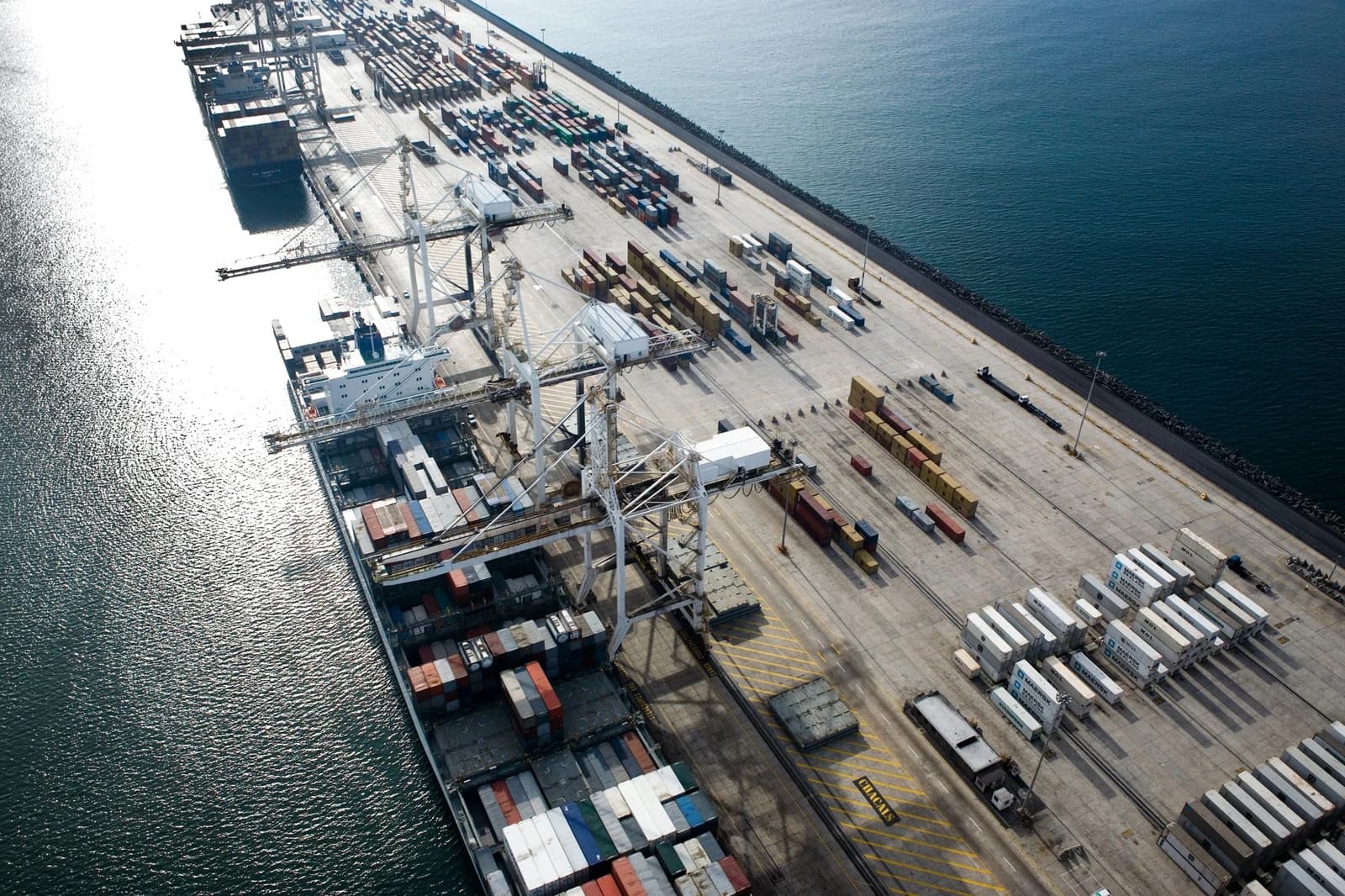
That matters because Black Friday and year-end trading typically decide a large share of annual retail profits, especially for value-focused chains that depend on full shelves, fast inventory turns and heavy festive footfall. If stock does not arrive on time, retailers lose not just sales but margin leverage: markdowns rise, bestsellers run out and the seasonal inventory build becomes a cost burden instead of a revenue engine.
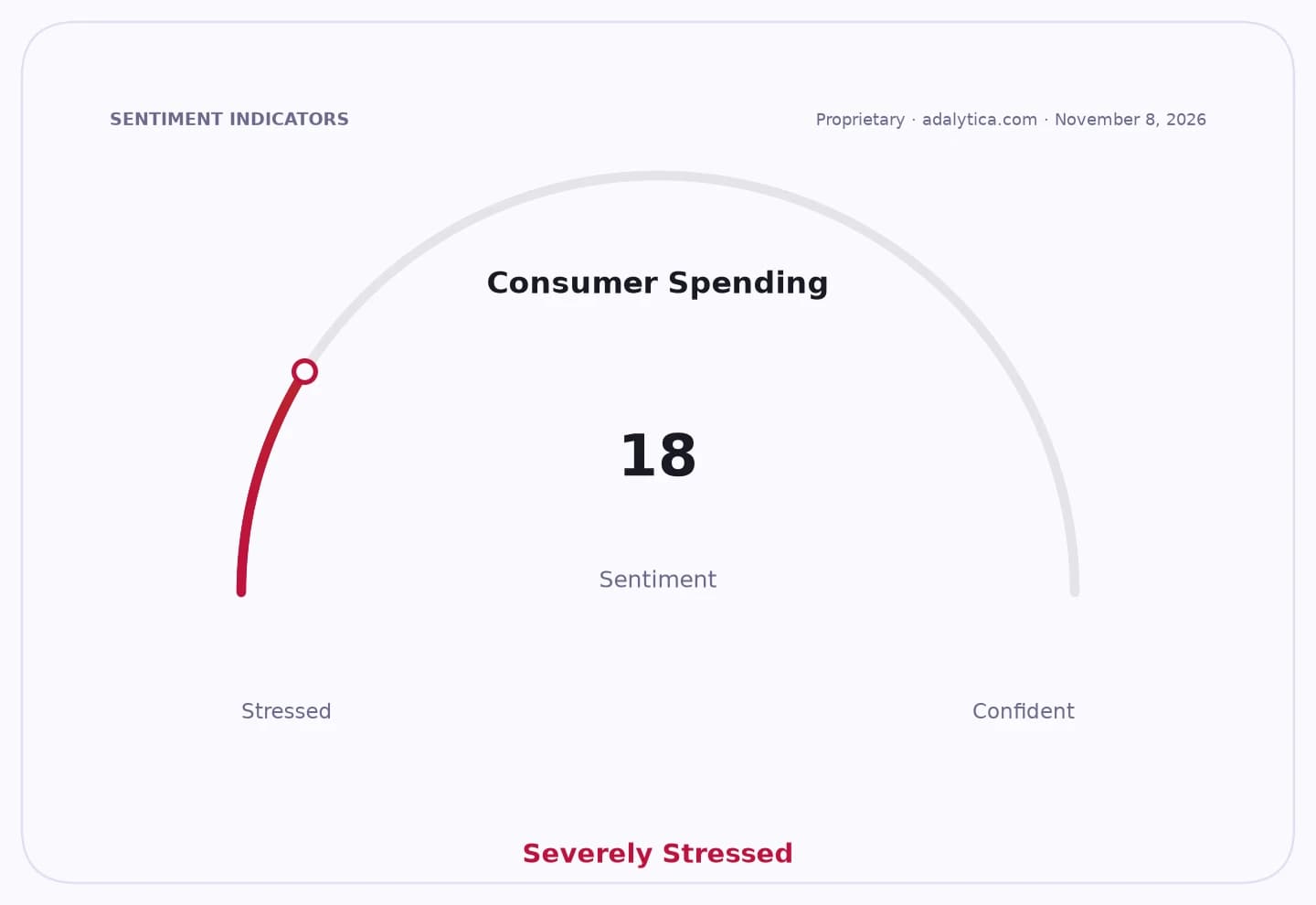
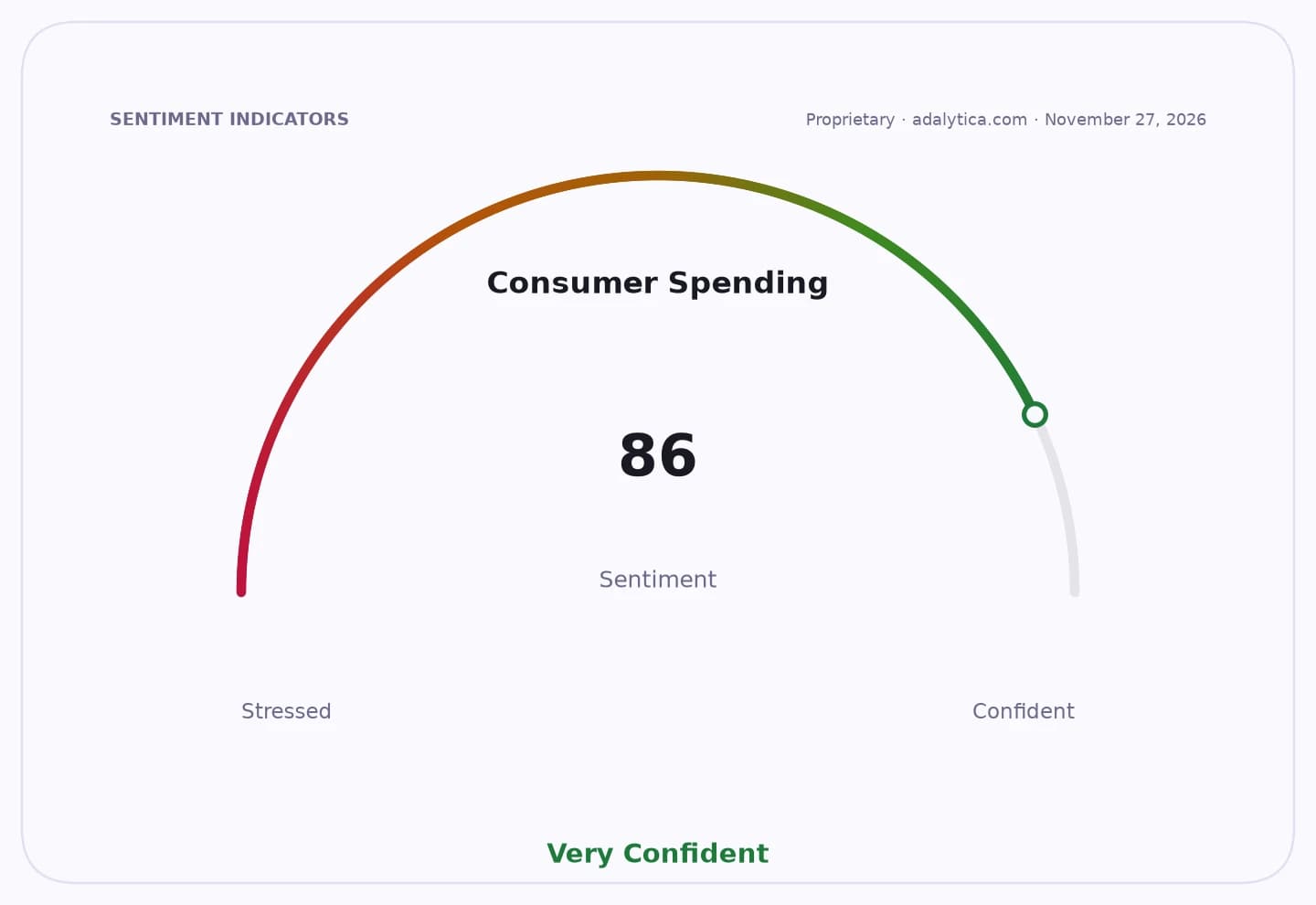
Sentiment Indicators
Pepkor Holdings said it has prioritized securing essentials and core merchandise ahead of Black Friday and the December holidays as supply-chain disruptions and late shipments threaten availability. The warning came alongside a solid set of results, with adjusted headline earnings per share up 9.7% and revenue rising 11.9% to 105.9 billion rand. Pepkor also said its discount model lifted market share by more than 200 basis points in key categories, a sign that demand remains resilient even as living costs and transport expenses squeeze households.
For investors, the key issue is not whether South Africans will keep spending, but which retailers can actually convert that demand into cash. Pepkor, with brands including PEP and Ackermans, sits at the center of the country’s value retail trade, where availability is often more important than pricing power. The company’s exposure makes it a proxy for consumer demand, but also for logistics execution across a retail network that depends on efficient replenishment.
The problem is broader than one company. South Africa’s retailers are already facing higher operating costs, and port bottlenecks add another layer of risk just as consumers are set to spend. That raises the stakes for logistics providers, warehousing operators and any retailer with strong sourcing control. It also favors companies that can move inventory early, diversify suppliers and absorb short-term freight inefficiencies without sacrificing shelf availability.
Pepkor said it still plans to complete the integration of Flash and Shop2Shop in the second half of fiscal 2027, which could help strengthen its distribution and payment ecosystem over time. Near term, though, the decisive variable is whether goods clear the ports in time for the peak shopping window. In a market where holiday traffic can make or break the year, supply-chain reliability is now the real competitive edge.
| Entity | Gains | Losses |
|---|---|---|
| Pepkor Holdings | ▲market share gains | ▼holiday stockouts risk |
| South African consumers | ▲discounted goods if available | ▼fewer choices, higher friction |
| Logistics and port operators | ▲urgent demand for services | ▼scrutiny over delays |
| Rival retailers | ▲none if shelves empty | ▼lost festive sales |