For Peruvians earning in soles, a dollar mortgage can still look cheaper than a local-currency loan, but the real cost now depends less on the quoted rate and more on how the exchange rate moves over the life of the debt.
Peru Borrowers Urged to Hedge Dollar Mortgages

That is the key message from Kambista CEO Fernando Ruiz, who says borrowers should treat currency mismatch as the main risk when taking on 15- or 20-year home loans. His advice lands as the dollar remains under close watch in global markets and as higher rates worldwide keep mortgage financing expensive, raising the stakes for anyone borrowing in a currency different from their income.
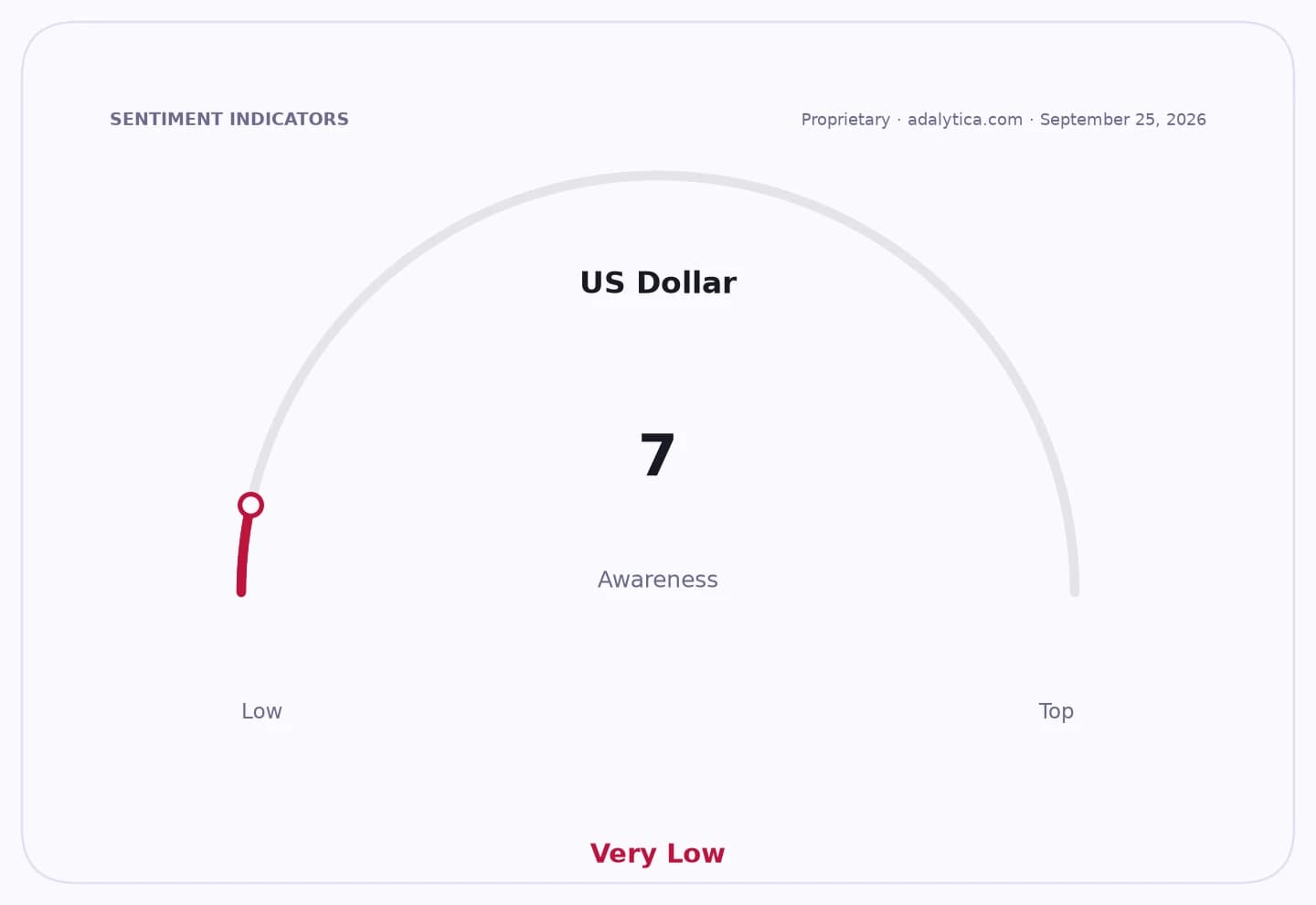
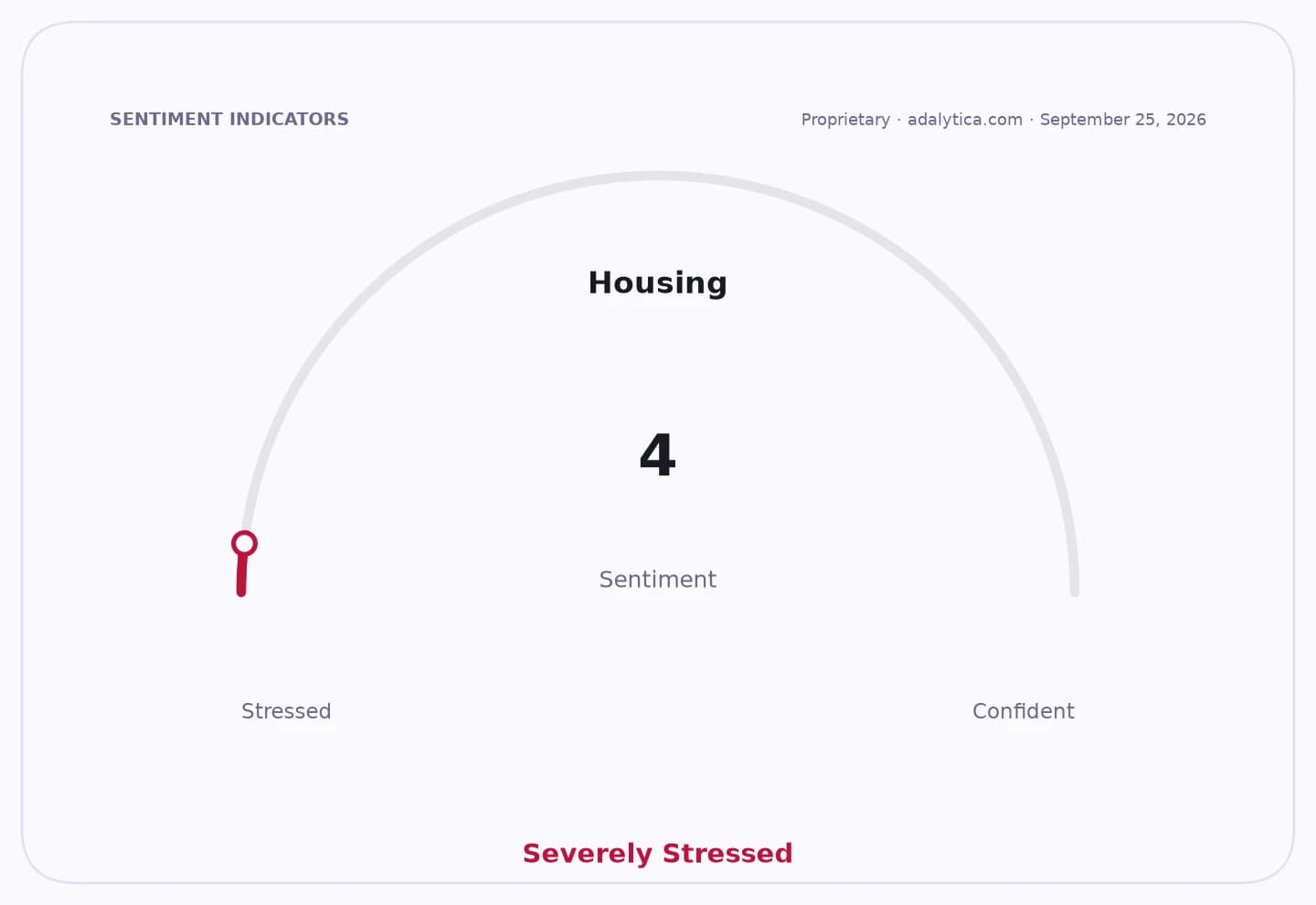
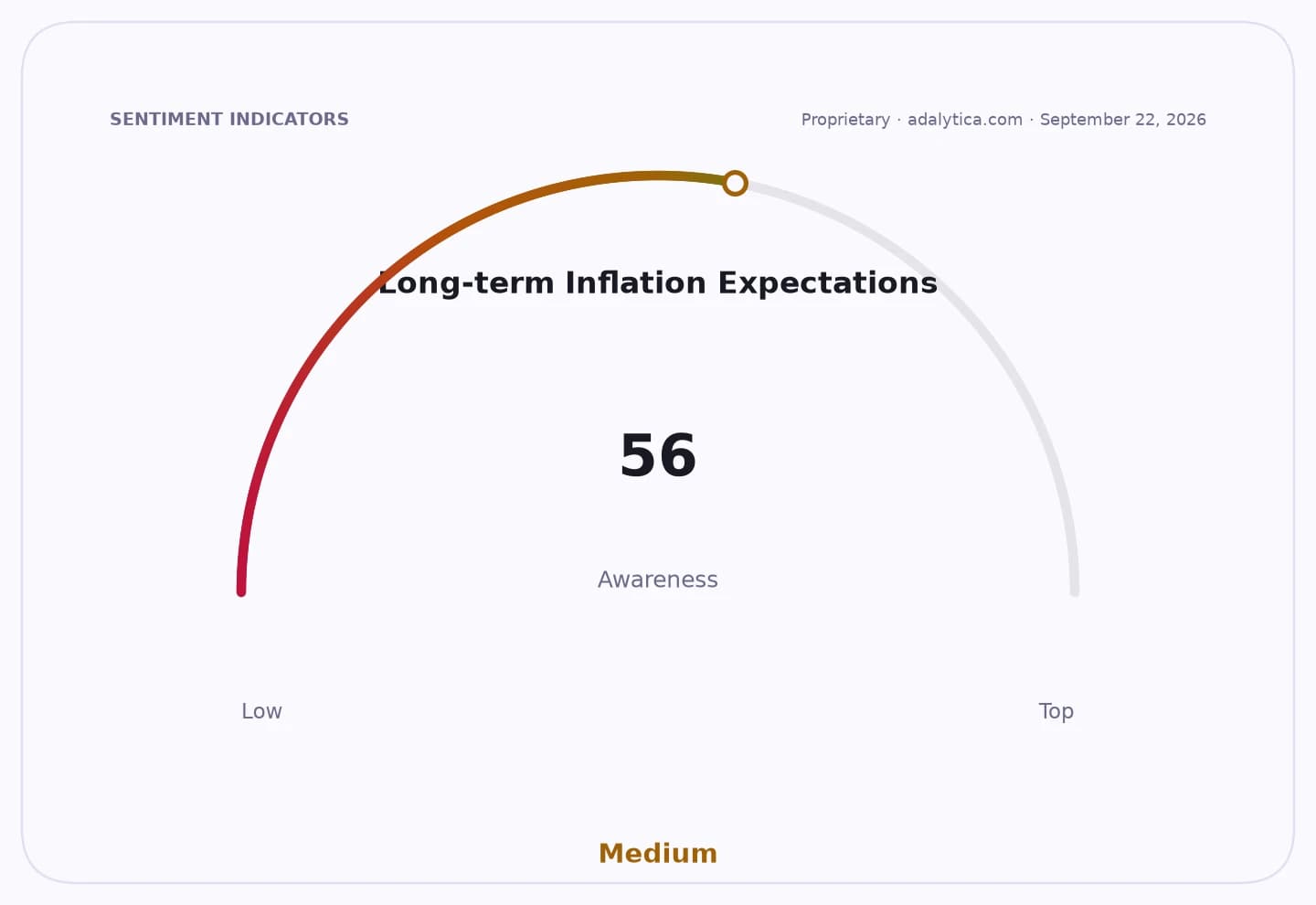
Sentiment IndicatorsⓘProprietary · adalytica.com · September 19, 2026
This is a snapshot — live sentiment, awareness and momentum for 130+ markets update continuously in the dashboard.Open AlphaPulse

Ruiz said the safest setup is to match the debt currency with the currency of income, but dollar loans can still be attractive because they often carry lower interest rates than soles-denominated mortgages. That trade-off matters economically because a cheaper headline rate can be erased by a weaker local currency, pushing monthly payments higher in soles and straining household budgets.
He urged borrowers to look beyond the coupon and test whether they can still service the loan under different exchange-rate scenarios. For investors and lenders, that is a reminder that household credit risk is not just about rates, but also about currency volatility, which can quickly turn a manageable mortgage into a liquidity problem for borrowers.
Ruiz outlined five practical steps: assess repayment capacity, buy dollars ahead of the due date, spread purchases through the month, keep a dollar reserve, and revisit whether the loan should remain in dollars at all. The point for investors is simple — timing and funding discipline can reduce foreign-exchange exposure, while waiting until the payment date leaves borrowers fully exposed to whatever the currency market delivers.
Dollar reserves can also soften the blow when the exchange rate turns adverse, especially for households with irregular income or other fixed obligations. Ruiz added that borrowers should consider refinancing, prepaying, or switching to soles if currency pressure becomes too heavy, but only after comparing rates, fees, commissions and the total cost of changing terms.
The broader backdrop is a mortgage market still shaped by tighter global monetary conditions, where elevated borrowing costs and currency swings are forcing households and lenders to focus on cash-flow resilience rather than just the initial loan rate. For borrowers, the next catalyst is the exchange rate itself; for banks, it is whether currency stress starts to affect repayment behavior.
| Entity | Gains | Losses |
|---|---|---|
| Borrowers with dollar income | ▲Lower-rate mortgage option | ▼Less protection needed from FX swings |
| Borrowers paid in soles | ▲Can save on interest if FX stays stable | ▼Higher monthly payments when the dollar rises |
| Banks/lenders | ▲Demand from rate-sensitive borrowers | ▼More refinancing and currency-risk pressure |
| Dollar sellers/FX platforms | ▲More client demand for staged purchases | ▼Fewer last-minute spot conversions |