Petrolimex has begun testing a new convenience-store format at its gas stations, a move that could lift non-fuel revenue for Vietnam’s biggest fuel retailer while giving Chinese chain Ohmee a fast track into one of Southeast Asia’s most competitive consumer markets.
Petrolimex tests Ohmee convenience stores in Hanoi
The first two Ohmee Express outlets in Hanoi are small — just over 10 square meters — but the strategy behind them is much larger. Petrolimex is trying to turn its more than 2,800 company-owned stations and 2,700 franchised or agent-operated sites into “energy and services” stops, rather than places that simply sell fuel. That matters because fuel demand is increasingly exposed to the longer-term shift toward electric mobility and digital payments, while convenience retail offers higher-margin sales and more frequent customer visits.
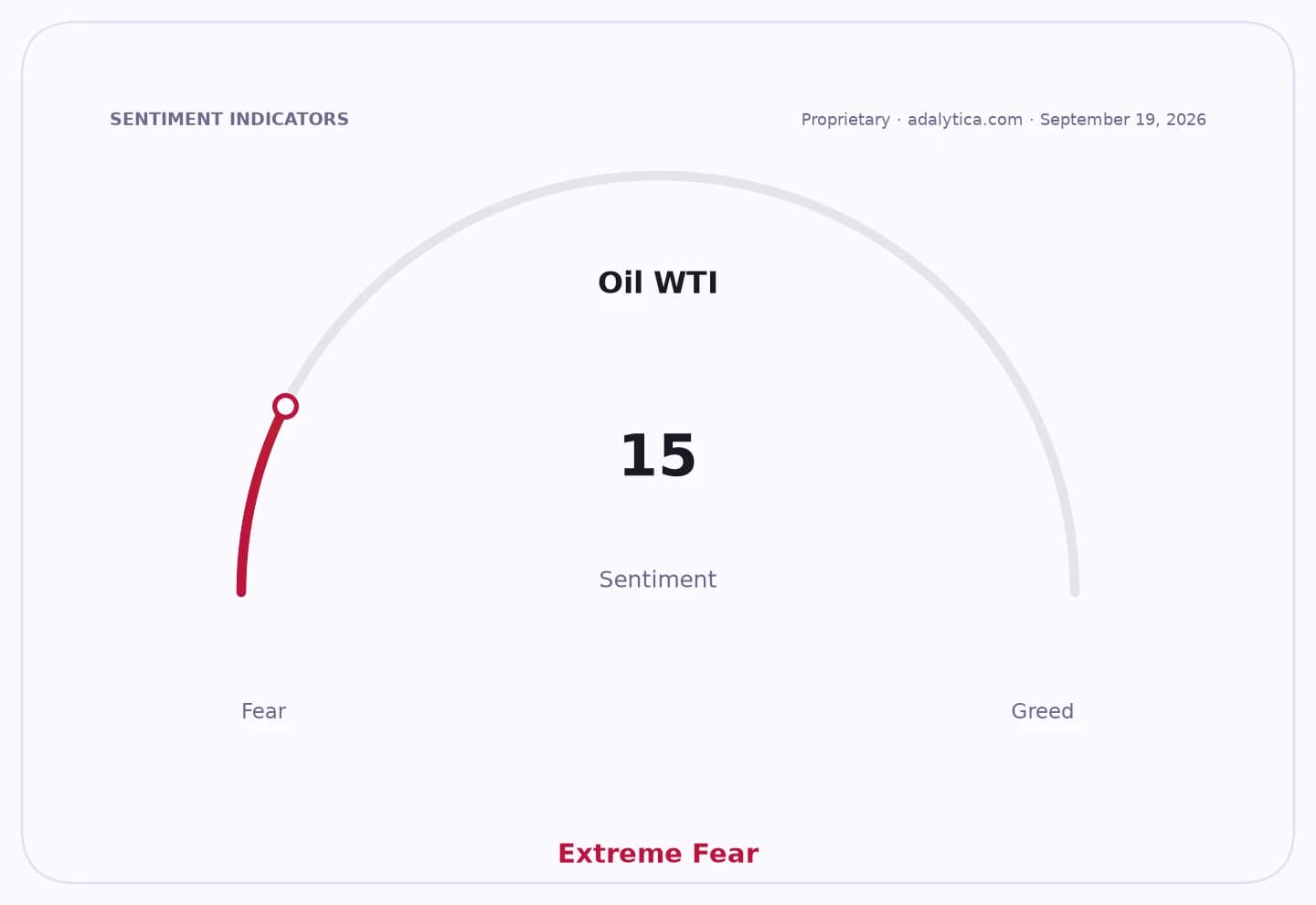
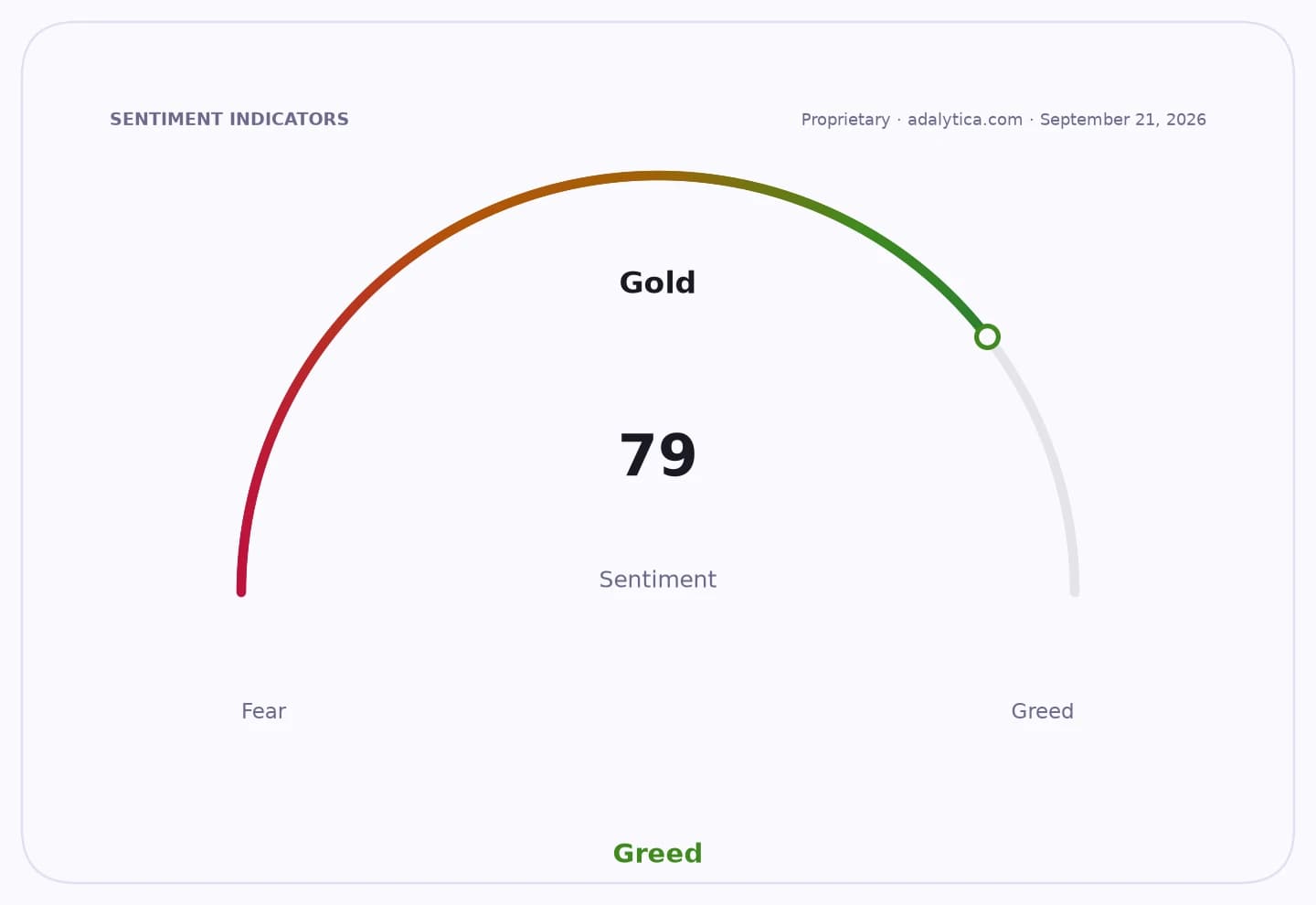
Sentiment IndicatorsⓘProprietary · adalytica.com · September 7, 2026
This is a snapshot — live sentiment, awareness and momentum for 130+ markets update continuously in the dashboard.Open AlphaPulse
For Petrolimex, the model is a way to monetize land, traffic and brand reach without having to build a separate store network from scratch. The company already has one of the country’s widest roadside footprints, and the ability to attach food, drinks and essential household items to that footprint could improve economics per stop. The new outlets are designed for speed: shelves and counters are placed at the forecourt entrance so drivers can buy a drink, snack or toiletries without parking for long.
For Ohmee, the deal is a low-capital route into Vietnam. The chain is backed by Meiyijia, a Chinese convenience-store operator with more than 40,000 outlets, and says it had 25 points of sale in Vietnam by now after entering the market only in April 2026. Partnering with Petrolimex gives it instant access to traffic-heavy locations, which is often the hardest part of convenience retail to secure in urban markets.
That is why the partnership could matter well beyond the two Hanoi sites. Vietnam’s convenience-store market has expanded quickly, but it is still concentrated in a few chains. Circle K leads with about 520 stores, GS25 has more than 400, while Ministop, FamilyMart and 7-Eleven trail behind. Euromonitor says Circle K controls about 43% of sales and GS25 about 15%, showing that scale and location remain decisive. If Petrolimex can convert even a fraction of its station network into hybrid fuel-and-retail points, it could alter the competitive map.
Investors will also see the arrangement as a test of whether Petrolimex can diversify its earnings base. The stock has been volatile, with its price swinging from 1.86 to 3.15 in recent trading before settling around 2.67. Standard technical readings show the shares above both the 50-day and 200-day moving averages, while RSI readings have been elevated, suggesting strong recent momentum but also a degree of short-term overheating. That leaves room for enthusiasm if the retail rollout lifts station economics, but also for disappointment if customer conversion or margins fall short.
The bull case is straightforward: more services at fuel sites can raise basket size, increase dwell time and deepen customer loyalty. The bear case is that convenience retail is still a thin-margin business, and success depends on execution, product mix and foot traffic. If Ohmee and Petrolimex can make the format work in Hanoi, the bigger prize is a wider rollout across a network that already sits on some of the country’s best roadside real estate.
| Entity | Gains | Losses |
|---|---|---|
| Petrolimex | ▲Higher non-fuel revenue | ▼Pure fuel-only model |
| Ohmee / Meiyijia | ▲Fast Vietnam expansion | ▼Slow standalone store buildout |
| Consumers | ▲Faster one-stop shopping | ▼Less retail choice if rivals lag |
| Rivals like Circle K, GS25 | ▲— | ▼New forecourt competitor |