Peugeot is putting diesel back into its 308 lineup in Japan, a reminder that even in an era of electrification, manufacturers still see room for efficient internal-combustion powertrains where customers want range, torque and lower fuel use.
Peugeot 308 diesel returns in Japan
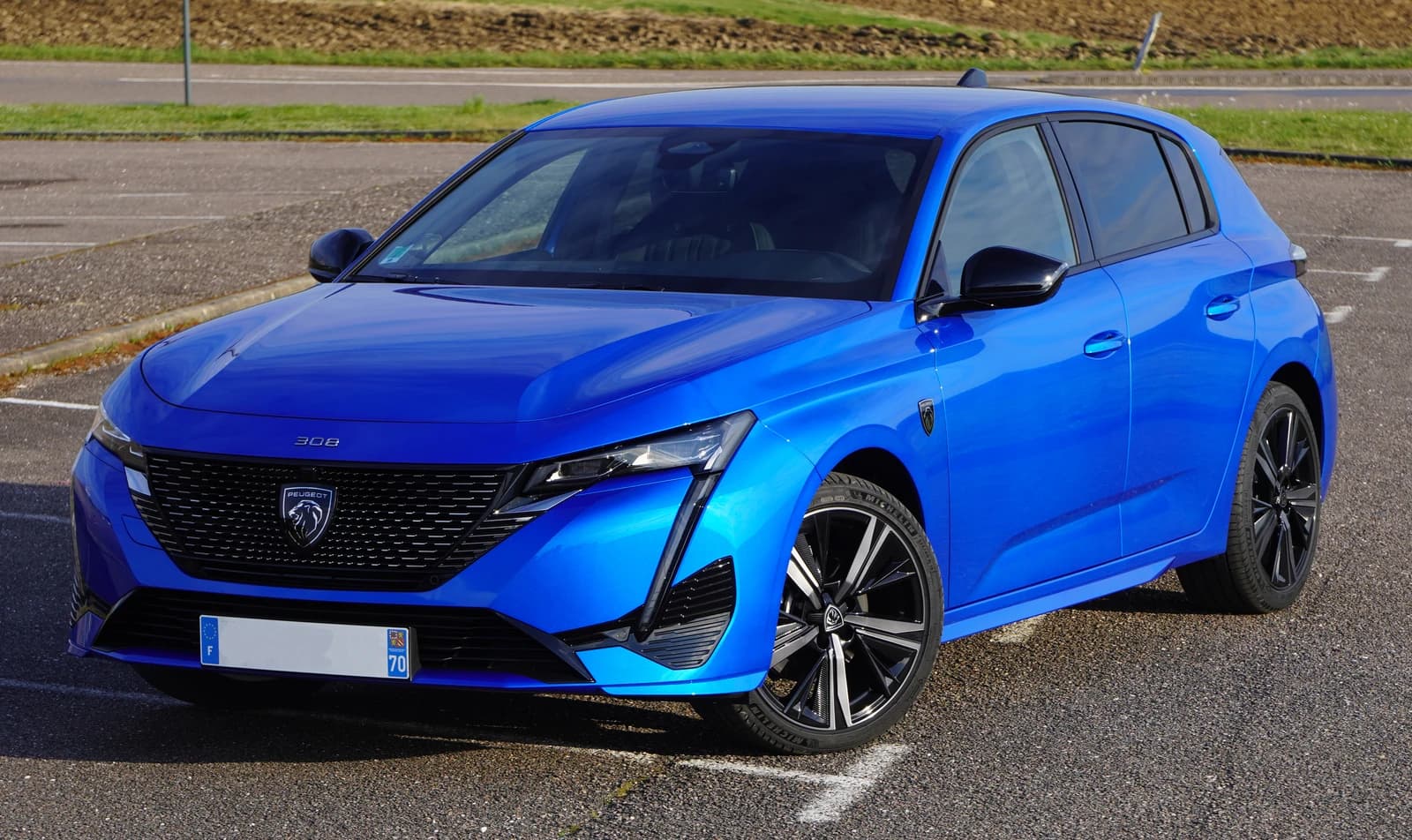
The 1.5-liter BlueHDi diesel returns to the Peugeot 308 and 308 SW on Nov. 3, with pricing set at 4.89 million yen for the 308 GT BlueHDi and 4.99 million yen for the wagon version. Peugeot says the engine delivers 300Nm of torque from 1,750rpm and is paired with an eight-speed automatic transmission, a combination aimed at smooth, usable everyday driving rather than headline-grabbing performance.
Sentiment Indicators

For Stellantis, Peugeot’s parent, the move is more than a product tweak. It shows the company is still willing to serve buyers who are not ready to make the leap to battery power, especially in markets and segments where diesel’s economy and long-distance convenience still matter. That matters economically because every profitable niche counts in an industry facing heavy spending on electrification, software and emissions compliance. Cars like the 308 BlueHDi can help keep factory utilization and showroom traffic steadier while the transition unfolds.
Investors should read this as a sign of pragmatism, not a retreat. The auto sector is still balancing three competing demands: winning on new technology, protecting margins and meeting increasingly strict environmental rules. Diesel is no longer the growth story it once was, and the broader market backdrop remains tough as consumers trade off fuel costs, policy pressure and vehicle prices. But products that meet a specific use case can still generate cash flow, especially when they target buyers who value efficiency and torque over zero-emission branding.

Stellantis shares have been volatile, and the stock has been trading well below longer-term technical markers, underscoring how much skepticism remains around the company’s turnaround. That makes durable, niche demand even more important. A return to diesel in one model line will not change the long-term shift toward electrification, but it does show that legacy automakers still have tools to defend earnings while that shift plays out.
For long-term investors, the key question is not whether diesel is “back” in a broad sense. It is whether Stellantis can keep monetizing every profitable powertrain segment while building the next generation of cars. This Peugeot launch suggests the company is still thinking about total customer demand, not just future headlines — and that discipline is worth watching.
| Entity | Gains | Losses |
|---|---|---|
| Stellantis / Peugeot | ▲niche diesel sales | ▼EV-only narrative |
| Buyers of Peugeot 308 | ▲higher torque, fuel efficiency | ▼fewer electric options |
| Battery EV rivals | ▲none | ▼another combustion alternative |
| Emission regulators / electrification advocates | ▲policy pressure remains | ▼slower combustion phaseout |