Philippine inflation accelerated to a more than three-year high in October, strengthening the case for more policy tightening just as the central bank tries to prevent a broadening price shock from eroding growth and household spending.
Philippines inflation hits 3-year high in October
Consumer prices rose 7.8% from a year earlier, the fastest pace since February 2023 and above the 7.6% median forecast in a Reuters poll. The reading lifted average inflation for the first 10 months to 5.6%, well above the Bangko Sentral ng Pilipinas’ 3% target and underscoring how far price pressures remain from the central bank’s comfort zone.
Sentiment Indicators
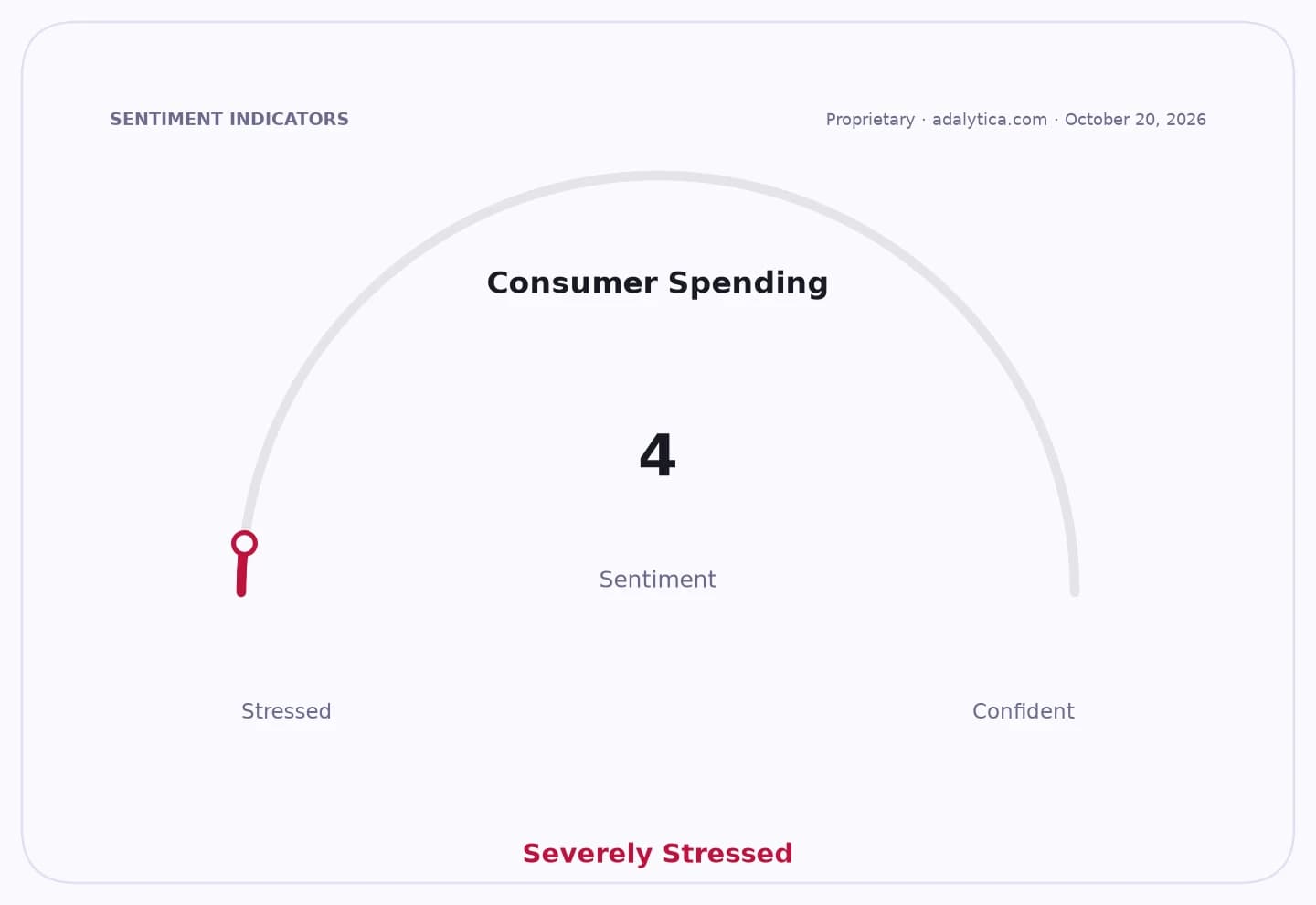
Consumer Spending
The surge was driven by transport and utility costs, two categories that hit consumers quickly and feed through the economy. The transport index jumped 20.1% in October from 14.6% in September as fuel prices and fares climbed, while utility costs rose 9.3%, a step up from 8.4% a month earlier. Core inflation, which strips out food and energy and is often watched as a gauge of underlying demand, climbed to 5.4%, its highest in more than three years, suggesting the problem is no longer confined to volatile items.
That matters because it makes the inflation fight more persistent. When core measures rise alongside headline inflation, central banks typically worry that firms and households are adjusting prices and wages more broadly, raising the risk of second-round effects. For the BSP, that raises the odds that last month’s 50-basis-point rate increase to 5.5% was not the end of the tightening cycle. Officials have already said they are prepared to act again if needed, and the next policy meeting on Dec. 17 now becomes a key market event.
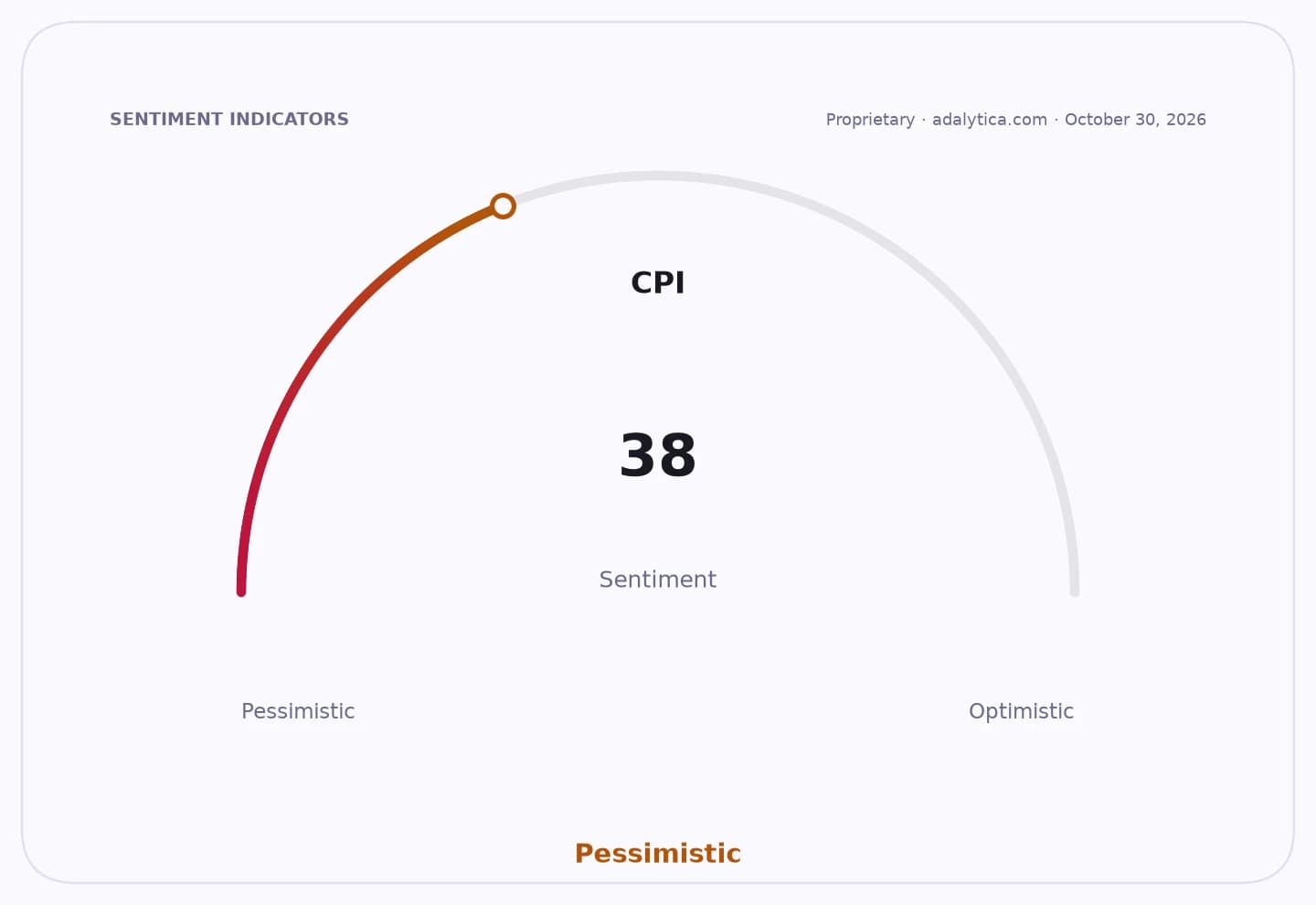
CPI
For investors, the implications are immediate. Higher rates support the peso and can curb imported inflation, but they also tighten financial conditions for borrowers, from households with mortgages to companies reliant on bank funding. That is a headwind for domestic demand and for interest-sensitive sectors such as real estate and consumer discretionary stocks. The more persistent inflation gets, the longer the BSP may need to keep rates elevated, limiting the scope for a near-term recovery in credit growth and private consumption.
The data also matters beyond Manila. The Philippines is part of a broader emerging-market pattern in which energy and transport costs are keeping price pressures sticky even as global growth slows. If inflation does not moderate quickly, the BSP may have to choose between defending credibility on price stability and avoiding an unnecessary drag on activity. For now, the October print leaves little room for policy patience.
| Entity | Gains | Losses |
|---|---|---|
| Bangko Sentral ng Pilipinas | ▲Policy cover for tighter stance | ▼Growth-sensitive sectors |
| Philippine peso | ▲Support from higher rates | ▼Borrowers and importers |
| Banks | ▲Wider lending spreads | ▼Credit demand if rates stay high |
| Consumers | ▲None | ▼Real purchasing power |