Poland is turning its rearmament drive into an industrial policy, and that matters because the biggest beneficiary may be not just the military but the country’s manufacturers, suppliers and regional defense partners.
Poland Defense Spending Boosts Local Industry

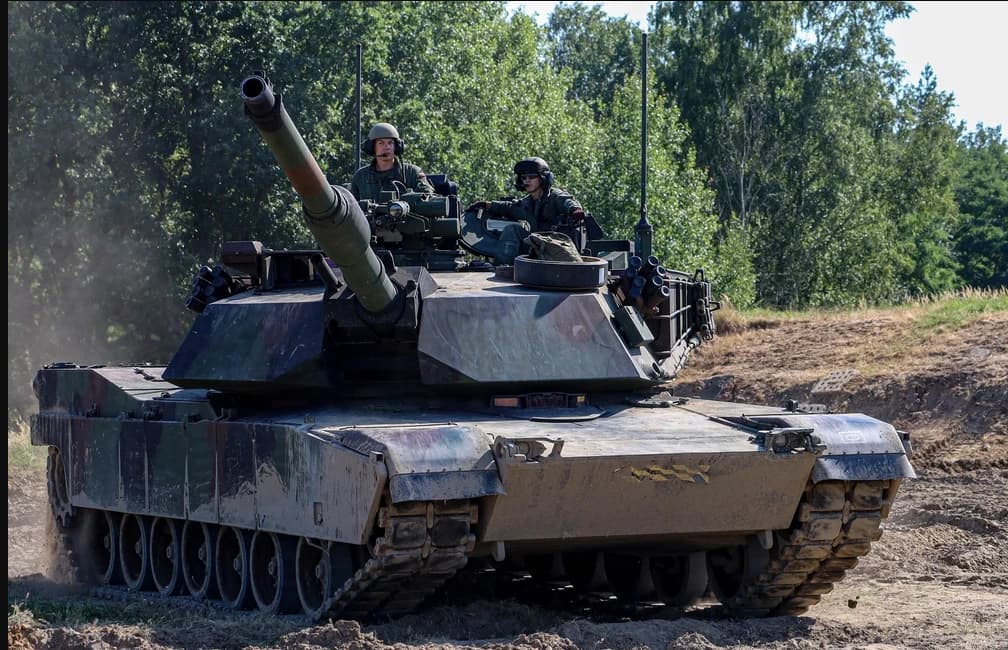
Deputy Minister of State Assets Konrad Golota said Poland is expanding its armed forces with the aim of building Europe’s largest land army, while channeling more defense spending toward domestic and Central European producers. For investors, that is the key story: Warsaw is trying to convert security anxiety on NATO’s eastern flank into a durable capex cycle for local industry, a formula that can support orders, jobs and margins well beyond the defense sector itself.
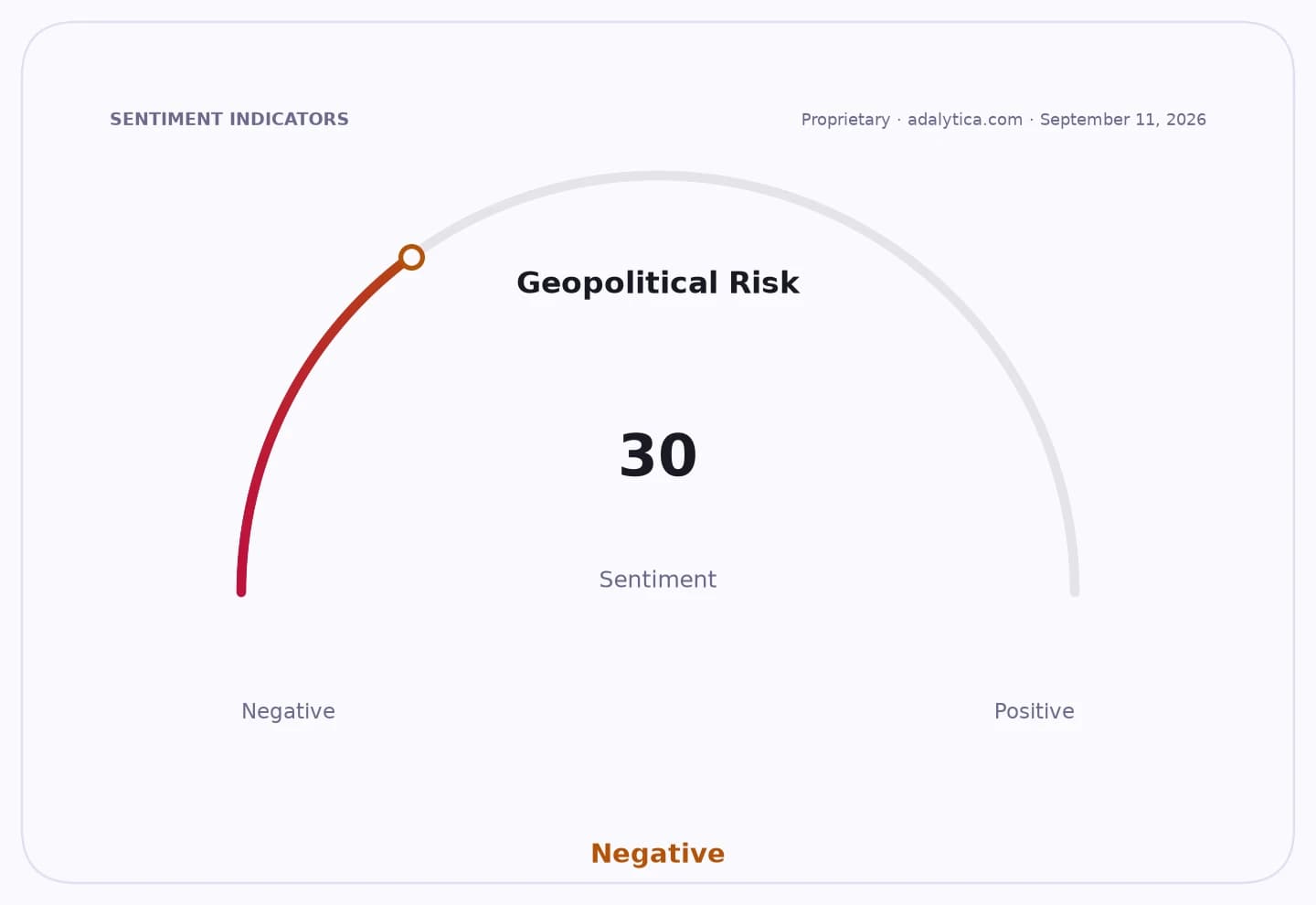
Sentiment IndicatorsⓘProprietary · adalytica.com · September 8, 2026
This is a snapshot — live sentiment, awareness and momentum for 130+ markets update continuously in the dashboard.Open AlphaPulse
The stakes are economic as much as geopolitical. A larger army requires vehicles, munitions, command systems, electronics and logistics, all of which tend to benefit companies that can scale production quickly and secure government contracts. Poland has already emerged as one of Europe’s most aggressive spenders on defense, and the latest push suggests the country wants to keep more of that money at home rather than sending it abroad. That creates a meaningful tailwind for Polish and broader Central European manufacturers, especially firms positioned as suppliers, integrators or technology partners.
The regional angle is just as important. Golota pointed to Croatia’s purchase of Chunmoo launchers as an example of how Polish fire-control systems could be folded into wider European procurement networks. That hints at a deeper opportunity: Poland is not only buying for itself, but trying to become a platform for interoperable defense equipment across Central Europe. If that strategy gains traction, the payoff could extend to software, sensors, aerospace, robotics and other high-value industrial niches.
The market is still underestimating the second-order effects. Defense spending at this scale can anchor long-cycle revenue visibility, attract private capital into dual-use technology, and strengthen supply chains that serve both military and civilian applications. Poland’s parallel ambitions in AI infrastructure and space technology only reinforce that thesis: this is a country trying to climb the value chain through state-backed strategic investment.
The near-term catalyst is procurement, but the bigger investment case is structural. If Warsaw keeps pushing defense outlays toward local producers, the winners are likely to be the industrial names tied to munitions, electronics, vehicles and systems integration, along with ETFs and funds exposed to Central European manufacturing. For investors hunting the next durable European capex story, Poland is moving from a geopolitical headline to an investable theme.
| Entity | Gains | Losses |
|---|---|---|
| Polish defense contractors | ▲More orders | ▼Import dependence |
| Central European suppliers | ▲New contracts | ▼Foreign rivals |
| Poland’s government | ▲Stronger security | ▼Higher budget strain |
| Foreign arms makers | ▲Limited share gains | ▼Lost procurement share |