Poland’s defence ministry is preparing to make drones the centrepiece of the next tranche of EU-backed SAFE spending, a shift that could redirect tens of billions of zlotys toward domestic manufacturers, allied suppliers and battlefield technologies shaped by the war in Ukraine.
Poland plans EU-backed spending on drones

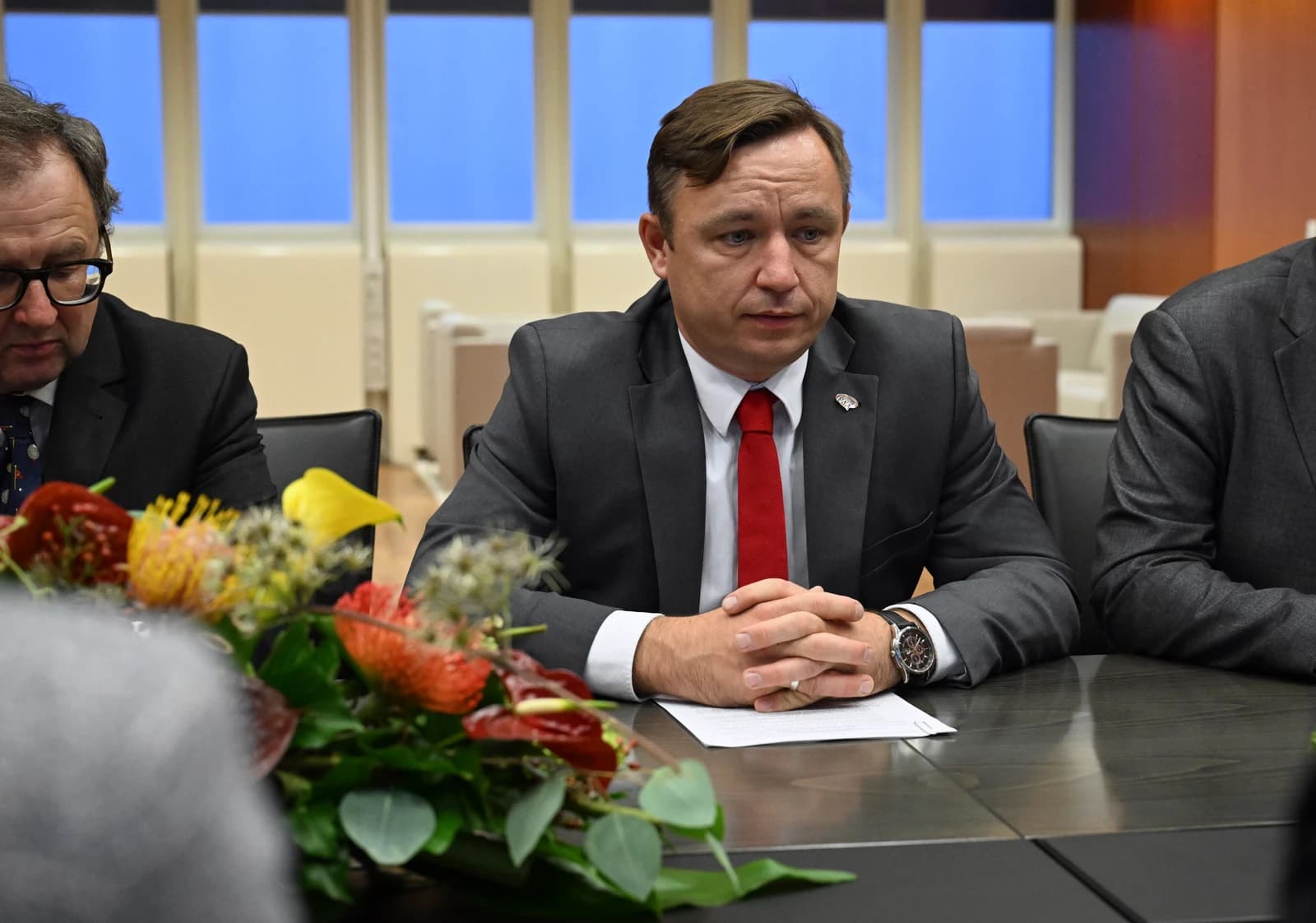
Defence Minister Wladyslaw Kosiniak-Kamysz said the second stage of the SAFE programme will be devoted largely to unmanned systems, especially strike drones and long-range platforms, alongside aerial refuelling aircraft and training helicopters. He said the purchases will also cover technologies developed by Poland’s defence industry, with the ministry seeking more contracts with local firms that already supply partners in the EU and NATO.
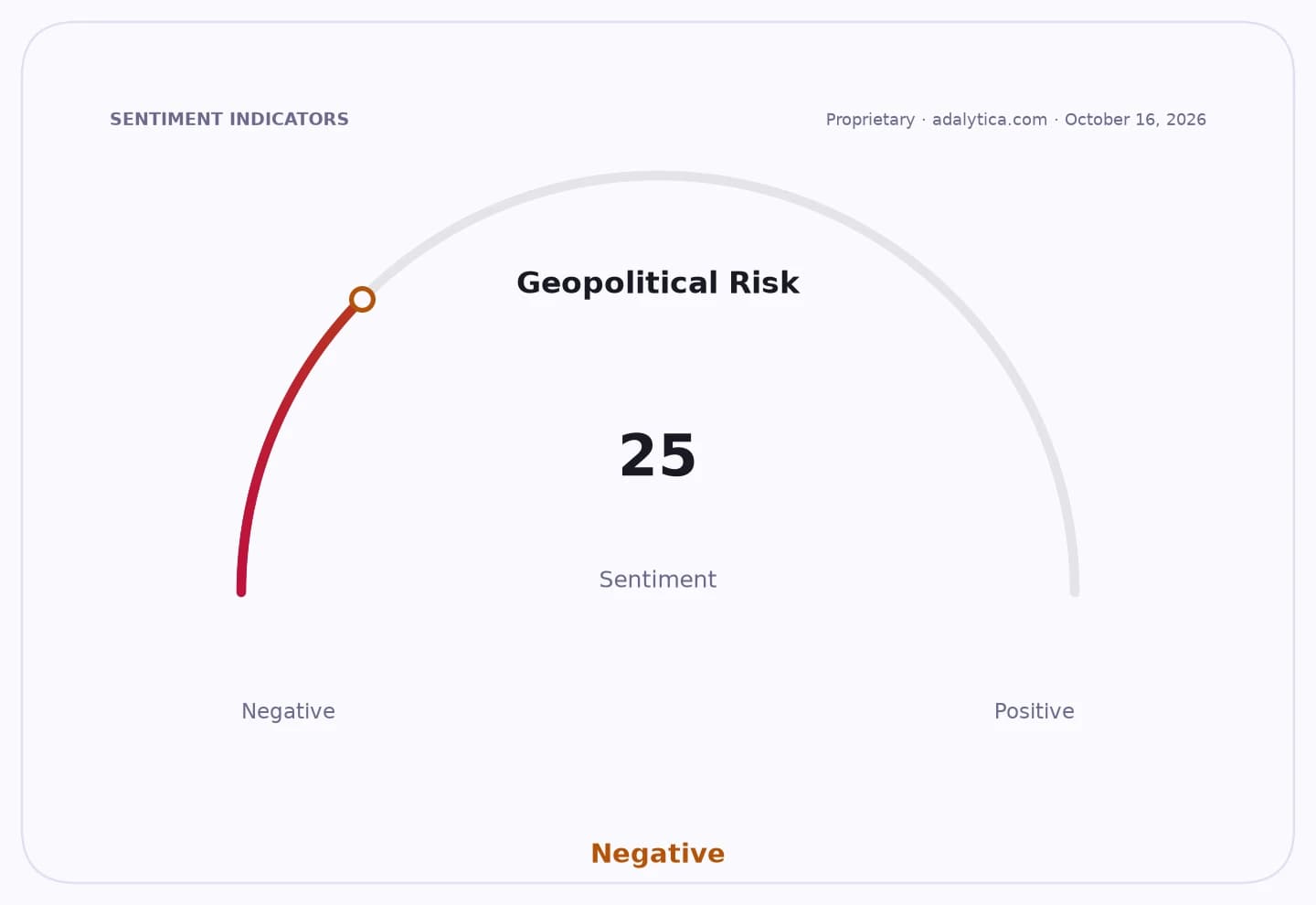
Sentiment IndicatorsⓘProprietary · adalytica.com · October 15, 2026
This is a snapshot — live sentiment, awareness and momentum for 130+ markets update continuously in the dashboard.Open AlphaPulse
The economic significance is straightforward: Warsaw is turning a policy instrument meant to reinforce European security into a pipeline for industrial investment and procurement. Kosiniak-Kamysz said spending on drone and counter-drone systems will rise to 26 billion zlotys in 2026 from 100 million zlotys in 2023, a jump that underscores how quickly Poland is rewriting its force-structure priorities. For the domestic defence sector, that implies a larger order book, more export leverage and faster scaling of production capacity in areas such as reconnaissance, loitering munitions and electronic warfare.
The minister pointed to a recent deal between state-owned PGZ and U.S. company Anduril on the Barracuda 500 system, whose range is said to be about 900 kilometres, as evidence that Poland wants to blend local manufacturing with imported technology. That approach should broaden the set of beneficiaries: Polish private defence companies gain from rising demand, while foreign suppliers with advanced drone and precision-strike systems can capture contracts tied to interoperability with NATO standards.
For investors, the message is that Europe’s rearmament cycle is moving beyond conventional hardware into unmanned systems, software and AI-enabled strike capabilities. That supports the case for defence primes and niche suppliers exposed to drones, sensors and anti-drone systems, while also reinforcing the strategic value of companies able to localise production in Central and Eastern Europe. It may also keep pressure on public budgets, but in market terms the bigger effect is likely to be sustained procurement visibility.
Kosiniak-Kamysz framed the shift as a lesson from Ukraine, saying drones have become indispensable on the modern battlefield and announcing plans for a “Drone Legion” of civilian operators who could support the military. He also said the ministry will urgently review three strategic areas: drones and anti-drone systems, long-range precision strikes and artificial intelligence.
The broader narrative is that SAFE money is no longer being treated as a generic defence pot. Poland is using it to accelerate a doctrinal pivot toward massed unmanned systems and precision firepower, a move that should reshape procurement across the region and sharpen competition for contracts among domestic groups, U.S. partners and other NATO suppliers.
| Entity | Gains | Losses |
|---|---|---|
| Polish drone makers | ▲Bigger procurement pipeline | ▼Greater scaling pressure |
| PGZ and partners | ▲More alliance-linked contracts | ▼Higher execution risk |
| Foreign suppliers such as Anduril | ▲Access to Polish tenders | ▼Local content competition |
| Traditional platform makers | ▲Limited benefit from shift | ▼Budget share to drones |