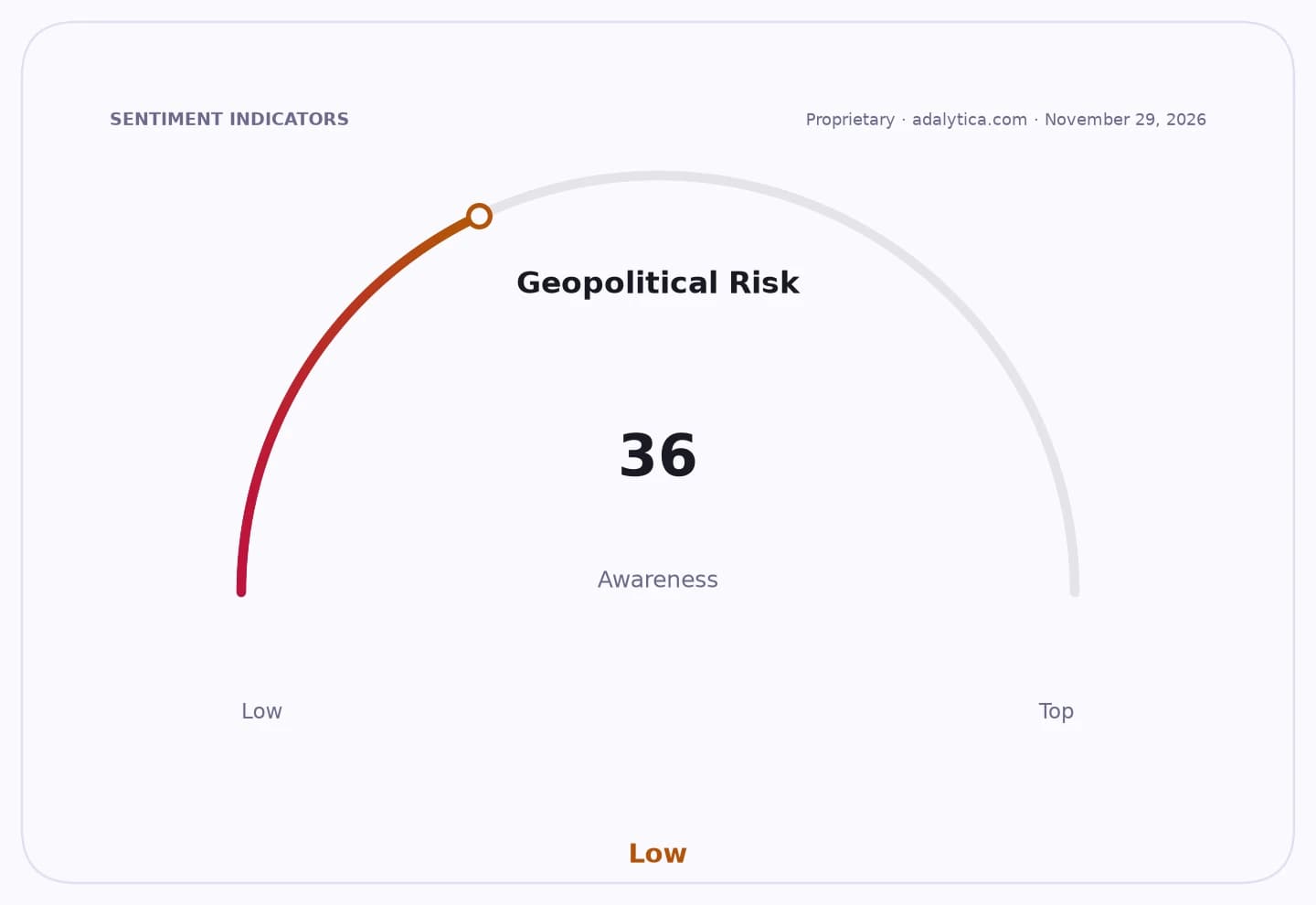
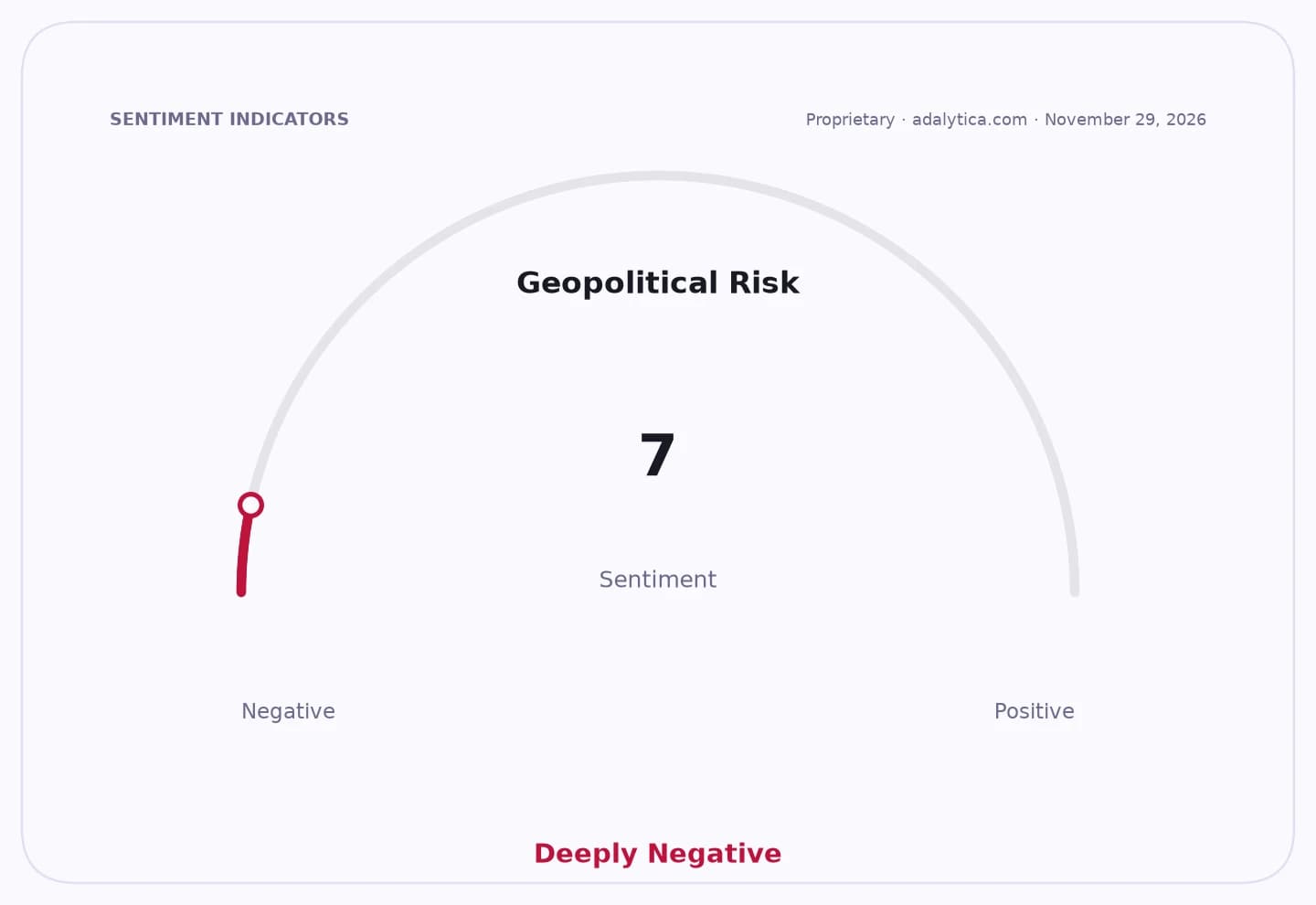
Poland’s hardline border response to the Belarus migration crisis has run into a damaging legal setback, with the European Court of Human Rights ruling that Warsaw breached the Human Rights Convention when it expelled an Afghan migrant despite a temporary order blocking his removal.
Poland ECHR border ruling raises legal risk
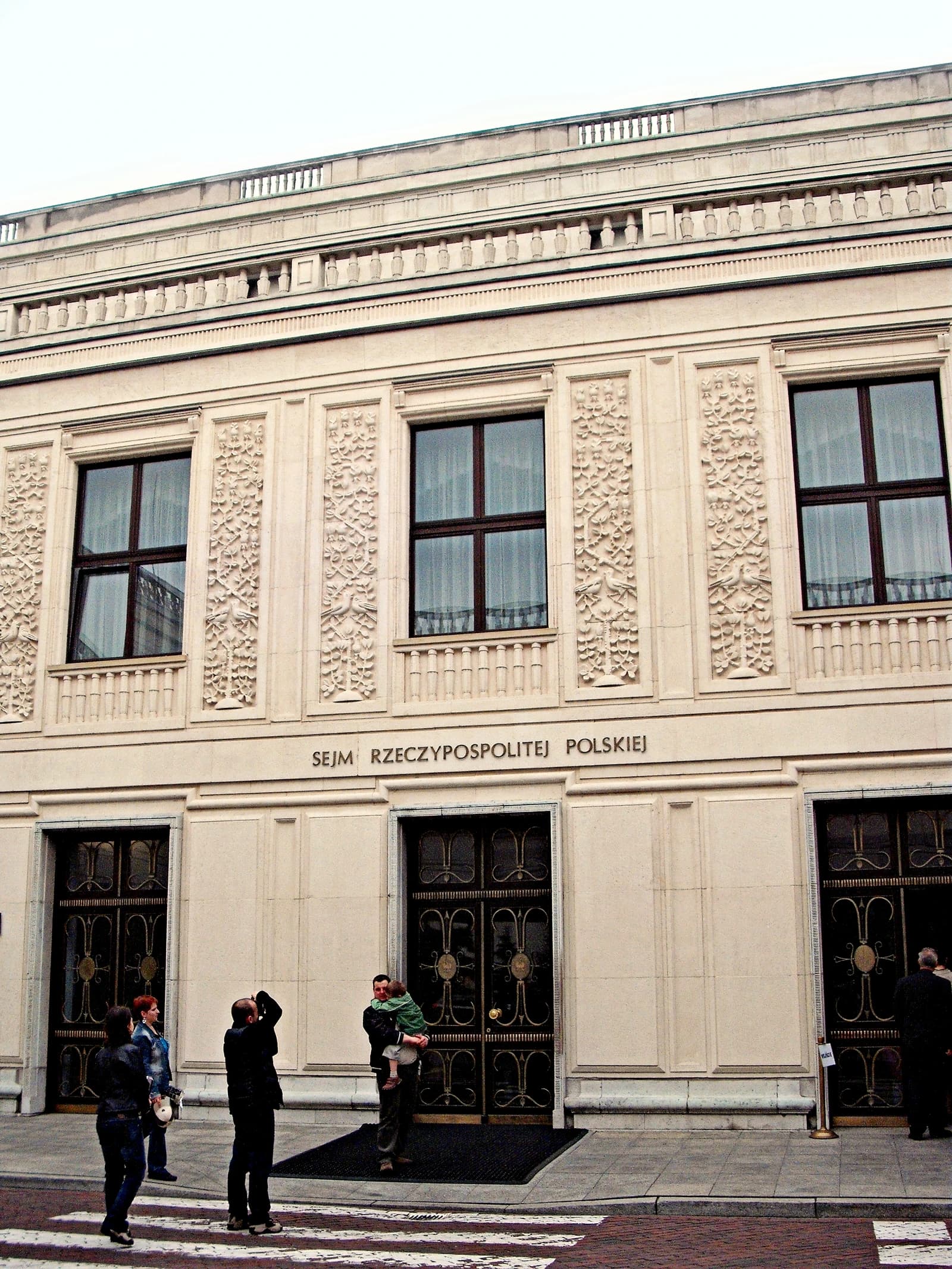
The ruling matters because it lands at the intersection of sovereignty, migration control and rule-of-law risk — three issues that now shape investment sentiment across Central and Eastern Europe. The court did not question Poland’s right to control its border, and even said states may restrict or close entry in the context of what it called Belarus’s “instrumentalization of migration.” But it found Poland failed to act on a Rule 39 interim measure and did not put in place an effective procedure to protect a person who was under the court’s protection.
Sentiment Indicators
That is the economic significance for investors: legal friction of this kind can raise political risk premia, complicate relations with Brussels and keep pressure on domestic institutions at a time when Poland is already dealing with a broader judiciary dispute. The latest ruling adds another layer to a policy environment that is increasingly defined by confrontation rather than compromise, and that tends to weigh on currency stability, foreign capital confidence and the discount investors assign to Polish assets.
The case stems from the 2021-2022 crisis at the Poland-Belarus border, where people from Afghanistan, Iraq and Cuba tried to enter the EU through Belarus. Strasbourg said Minsk had encouraged and facilitated the movement of migrants in an effort to destabilize Poland and the wider region, but it still concluded that Poland violated Article 3 of the convention in one case and Article 34 by preventing lawyers from contacting the applicants on the day in question. The court rejected complaints over the living conditions and lack of remedies, narrowing the finding but not softening its political impact.
Polish Zloty — 30-day sentimentadalytica.com
Explore this data interactively — full history, time series and cross-market comparisons.
For markets, the immediate lesson is not about direct earnings exposure but about the premium attached to Poland’s institutional backdrop. Countries that can defend borders while keeping legal and procedural safeguards intact generally face lower long-run governance risk. Where that balance breaks down, investors tend to demand more return for the same exposure. That is especially relevant for the zloty, which remains under pressure in this kind of headline-driven environment.
Adalytica’s trade-signal snapshot for the Polish zloty shows sentiment in fear territory at 22, even after a modest one-day improvement. The euro, meanwhile, is flashing extreme fear in the same gauge. That backdrop suggests markets are already sensitive to policy and legal shocks, and headlines that reinforce institutional stress can keep FX volatility elevated even when the underlying macro story is unchanged.
EPOL, the iShares MSCI Poland ETF, has also been struggling to reestablish momentum. The fund closed at 41.03 on Nov. 27, below its 50-day moving average of 43.62 and with RSI at 40.5, a sign the recent rebound remains fragile. The technical setup does not point to panic, but it does show a market that has lost conviction after a sharp drop from above 45 in October.
My view is that this is exactly the kind of story the market underprices at first and then keeps repricing as the legal and political fallout accumulates. Poland is still a destination with solid industrial depth and strategic importance inside the EU, but rule-of-law disputes are not noise — they affect funding conditions, regulatory credibility and the discount rate investors use on Polish risk assets.
The bigger takeaway is that the border ruling does not weaken Poland’s case against Belarus; it sharpens the need for a more durable legal framework around migration enforcement. If Warsaw can combine tougher border policy with cleaner compliance, the overhang on Polish assets fades. If not, expect recurring court battles, headline risk and continued volatility in the zloty, local equities and Poland-focused ETFs.
| Entity | Gains | Losses |
|---|---|---|
| Belarus | ▲Leverage narrative from border pressure | ▼International credibility |
| Poland government | ▲Border-control argument | ▼Legal and political standing |
| EU institutions / ECHR | ▲Enforcement authority | ▼None directly, but more conflict |
| Polish assets / zloty | ▲Potential long-term clarity if reforms follow | ▼Near-term risk premium |