Poland’s judicial crisis is deepening as the Constitutional Tribunal prepares to consider whether its chief, Bogdan Swięczkowski, can lose immunity and face arrest, a move that would intensify an already combustible fight between the government and the country’s top court.
Poland Tribunal Chief Faces Arrest Bid
The hearing is set for Nov. 17, according to Polish radio RMF24, after prosecutors filed six motions against Swięczkowski and one against former deputy chief Bartłomiej Sochański. The requests seek permission to bring criminal charges, detain Swięczkowski and place him in pre-trial custody.
Sentiment Indicators
The allegations center on the Pegasus and Hermes surveillance cases, accusations of abuse of power and obstruction of other constitutional judges, as well as alleged irregularities in appointing prosecutors when Swięczkowski led the National Prosecutor’s Office. The case adds a criminal dimension to a standoff that has already turned into a broader institutional battle over who controls the judiciary.
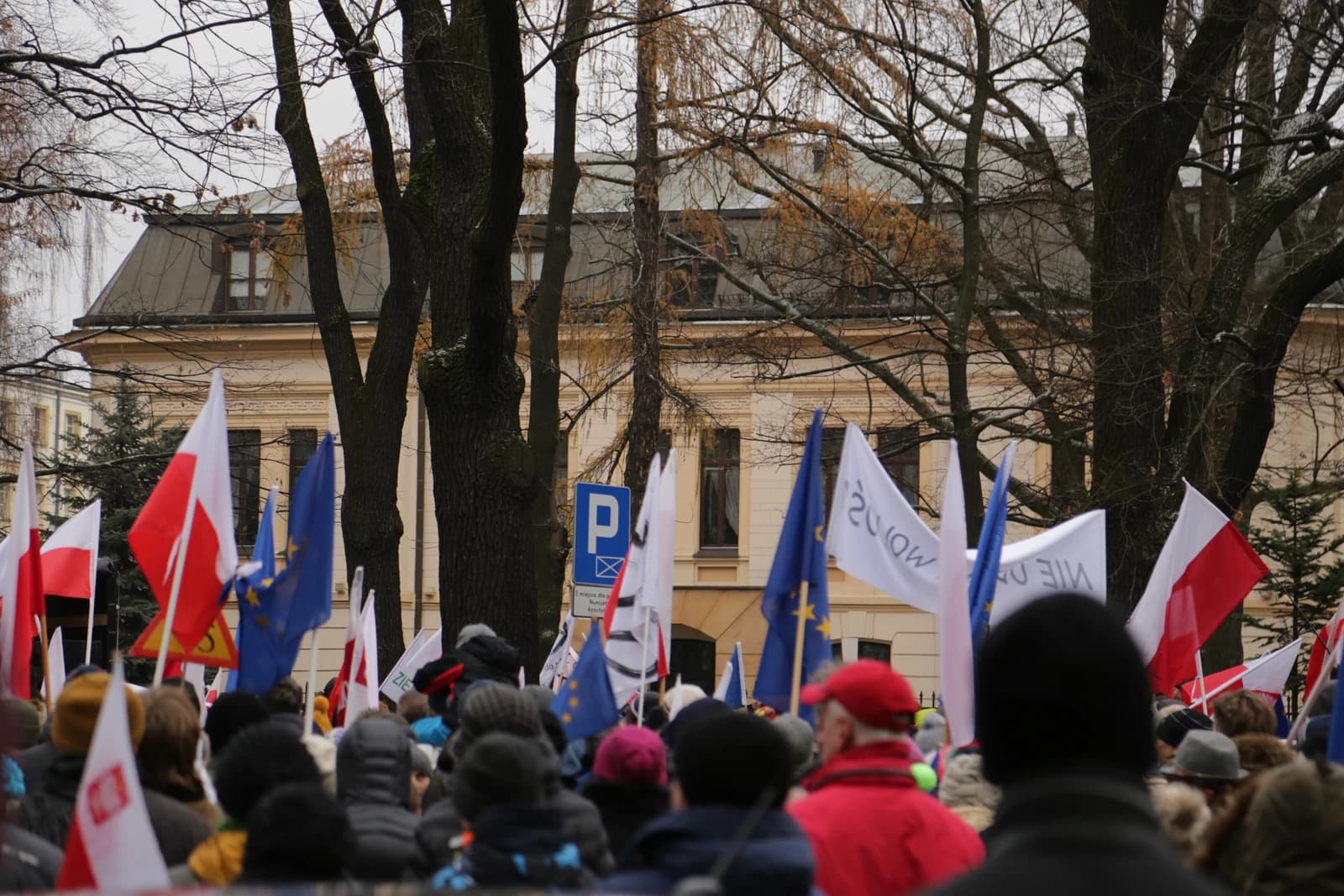
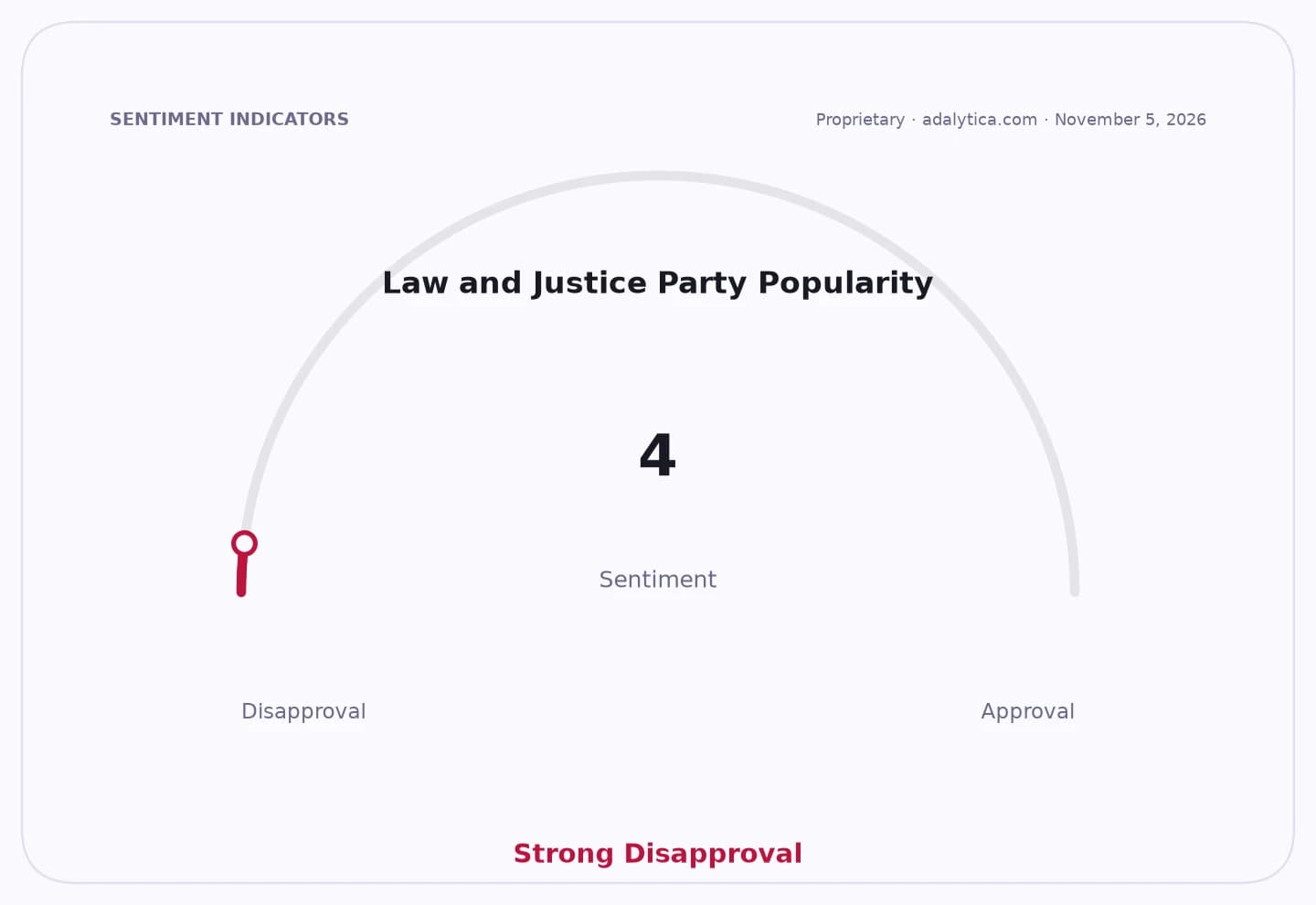
The conflict escalated in late October after an attempt to remove Swięczkowski from the tribunal prompted President Karol Nawrocki to accuse the government of Donald Tusk of an illegal power grab. That clash stems from the administration’s push to unwind judicial changes made under the previous Law and Justice government, underscoring how Poland’s courts have become a proxy for the country’s wider political fight.
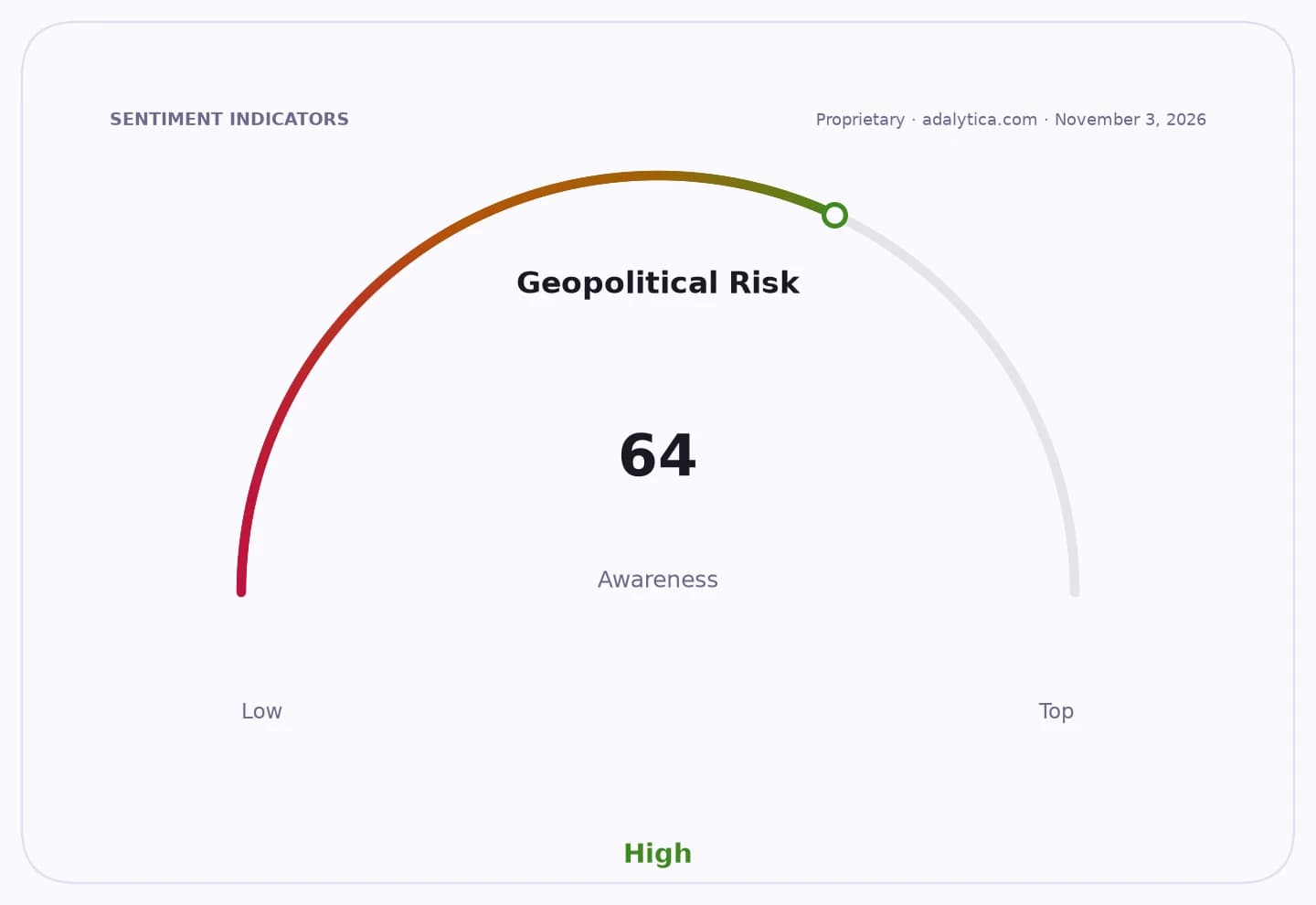
For investors, the dispute matters because prolonged confrontation inside one of the EU’s largest economies raises the risk of policy paralysis, legal uncertainty and friction with Brussels at a time when rule-of-law tensions can affect funding flows, regulatory stability and sentiment toward Polish assets. The episode also feeds into broader emerging-market risk appetite, even as conventional technical indicators on the iShares MSCI Poland ETF show the fund trading above its 50-day and 200-day moving averages.
The next market-relevant test is whether the tribunal grants the prosecutor’s requests and whether the dispute spreads further beyond the courtroom into the cabinet, presidency and parliament.
| Entity | Gains | Losses |
|---|---|---|
| Tusk government | ▲legal leverage | ▼institutional friction |
| Constitutional Tribunal leadership | ▲judicial authority if it resists | ▼credibility and immunity |
| Polish opposition/Law and Justice allies | ▲political grievance narrative | ▼exposure from past court reforms |
| Poland-focused investors | ▲eventual rule-of-law clarity | ▼near-term policy uncertainty |