A German court ruling has exposed fresh details in a suspected Russian espionage case that underscores how Moscow’s intelligence services may be using refugee flows and diaspora networks to collect battlefield-related information inside Europe.
Germany Russian Spy Case In Refugee Shelter
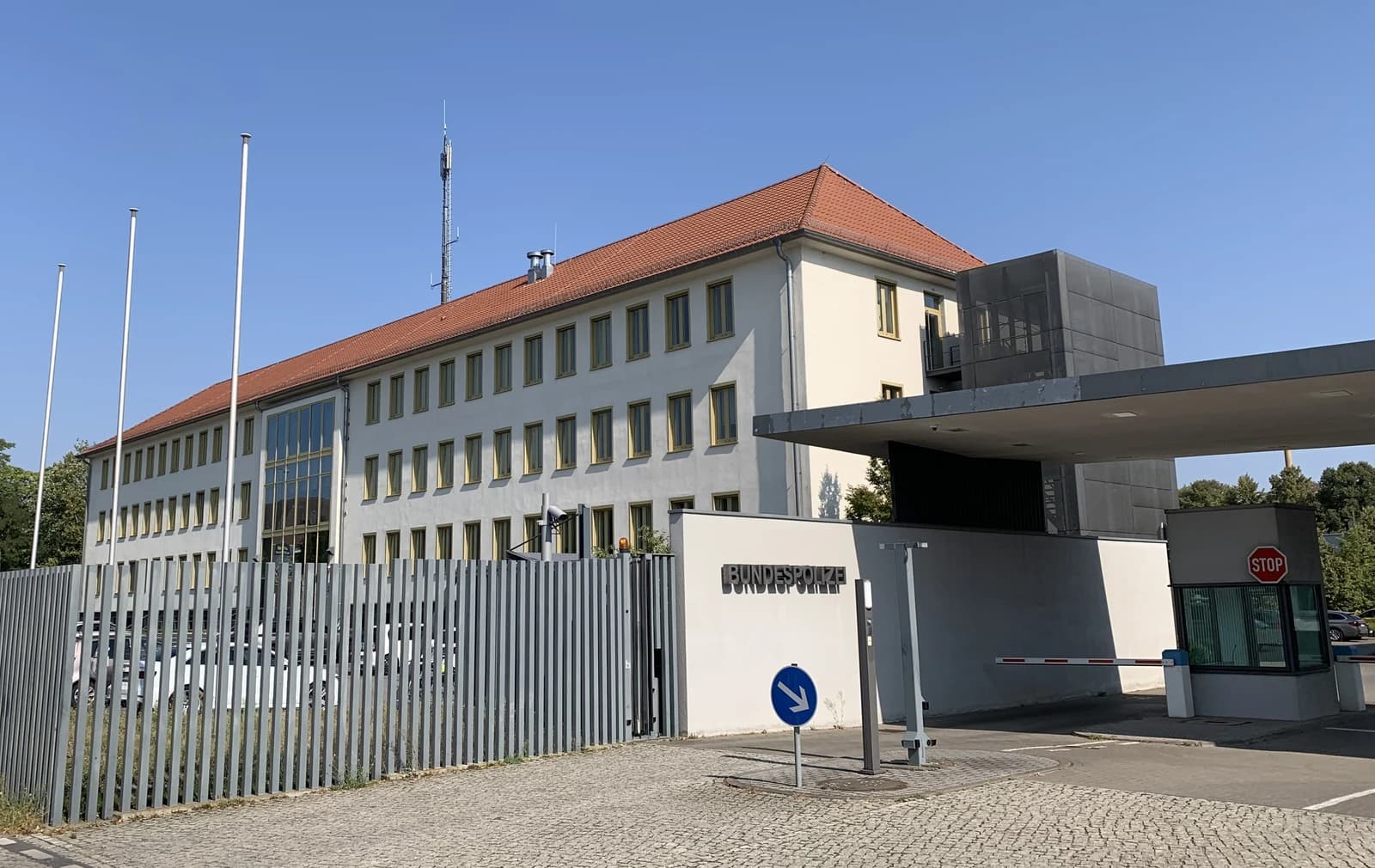
The Federal Court of Justice, or BGH, said a Ukrainian man from Attendorn in western Germany was allegedly tasked by Russia’s domestic intelligence service, the FSB, to monitor another Ukrainian living in a refugee shelter and relay information through Telegram about his movements and contacts. Prosecutors say the aim was to determine whether the target was helping other refugees return to Russian-occupied areas in Ukraine or preparing for combat there.
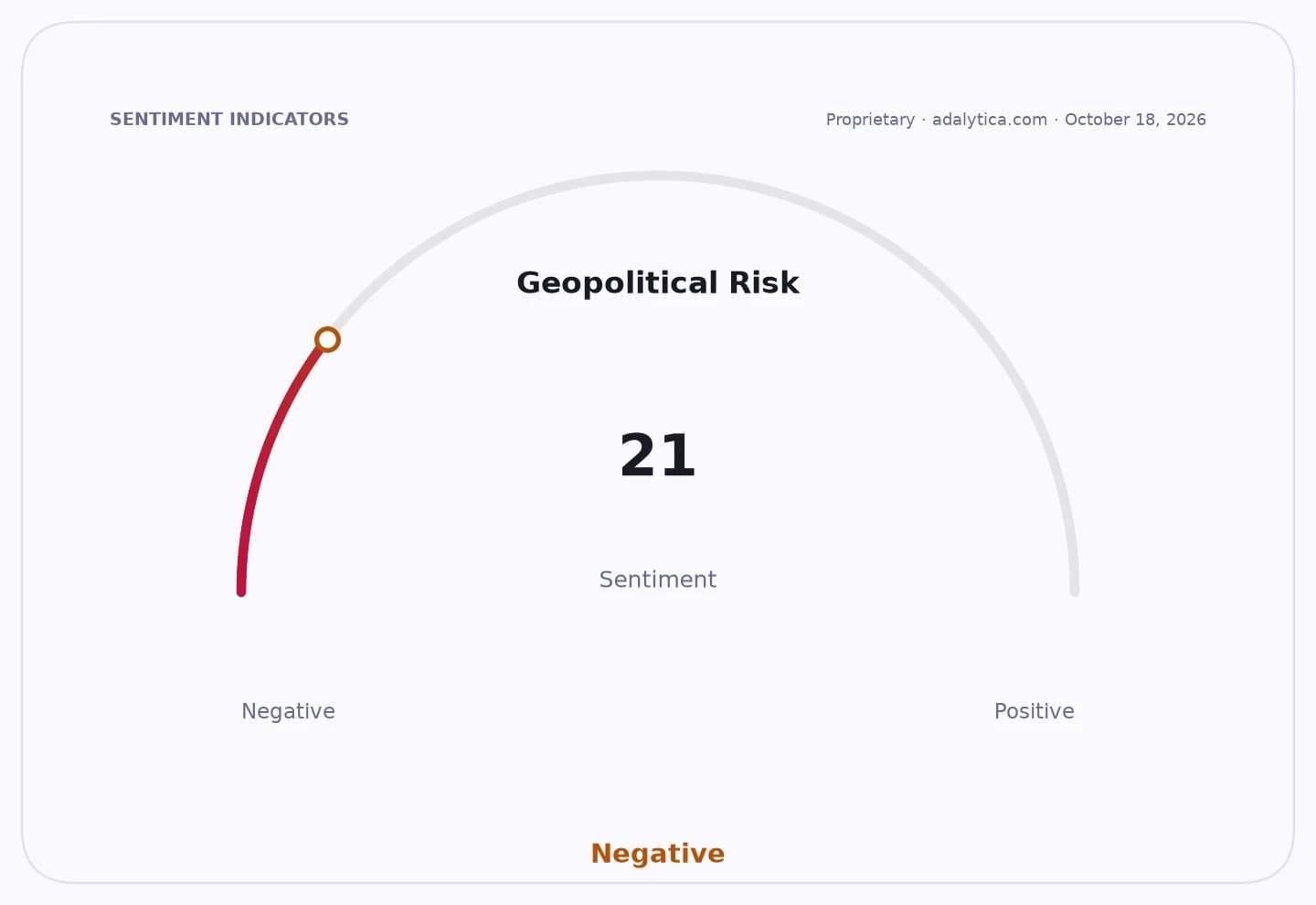
Sentiment Indicators
The case matters because it points to a lower-cost, deniable intelligence model that can be embedded in civilian spaces far from the front line. If the allegations are upheld, the episode would show Russian services pursuing wartime intelligence not only through cyber or military channels, but through human assets inside Europe’s asylum and migration infrastructure. That raises the operational and political cost for Germany and its European partners, which are already under pressure to harden internal security without undermining refugee protections.
According to the BGH decision, the suspect was believed to know he was under FSB control because the service checked on his stay in the refugee accommodation. Germany’s federal prosecutor had him arrested in Hagen in March, and the case was later handed to the Düsseldorf state prosecutor, which filed charges in early September for acting as a foreign intelligence agent. The Düsseldorf Higher Regional Court still has to decide whether to admit the indictment to trial.

For investors, the immediate market impact is limited, but the broader implications are not. The case adds to evidence that Europe remains vulnerable to covert Russian activity even as governments expand sanctions, defense spending and counterintelligence budgets. That supports the argument for sustained demand in cybersecurity, surveillance, border-security and intelligence-related technology, while also reinforcing a risk premium around Germany’s broader security posture as the war in Ukraine continues.
The story also comes as geopolitical risk appetite remains fragile. Adalytica’s Global Stability Sentiment gauge is at 32, with awareness in “fear” territory, reflecting persistent market unease around security shocks and the widening set of espionage probes across Europe and beyond. For policymakers, the challenge is to tighten intelligence screening and refugee-venue security without creating the impression that humanitarian systems are being treated as security liabilities.
If the court allows the case to proceed, it will become another test of how aggressively Germany can prosecute espionage tied to the Ukraine war. For markets, the key takeaway is not the courtroom detail itself, but the reminder that the conflict’s spillovers into Europe are still evolving and that security risk remains a structural feature of the investment backdrop.
| Entity | Gains | Losses |
|---|---|---|
| German prosecutors | ▲Stronger case for prosecution | ▼None |
| Russian intelligence networks | ▲Potential intelligence access | ▼Exposure risk |
| Germany / EU security agencies | ▲Justification for tighter controls | ▼More counterintelligence burden |
| Refugee communities | ▲None | ▼Greater scrutiny and suspicion |