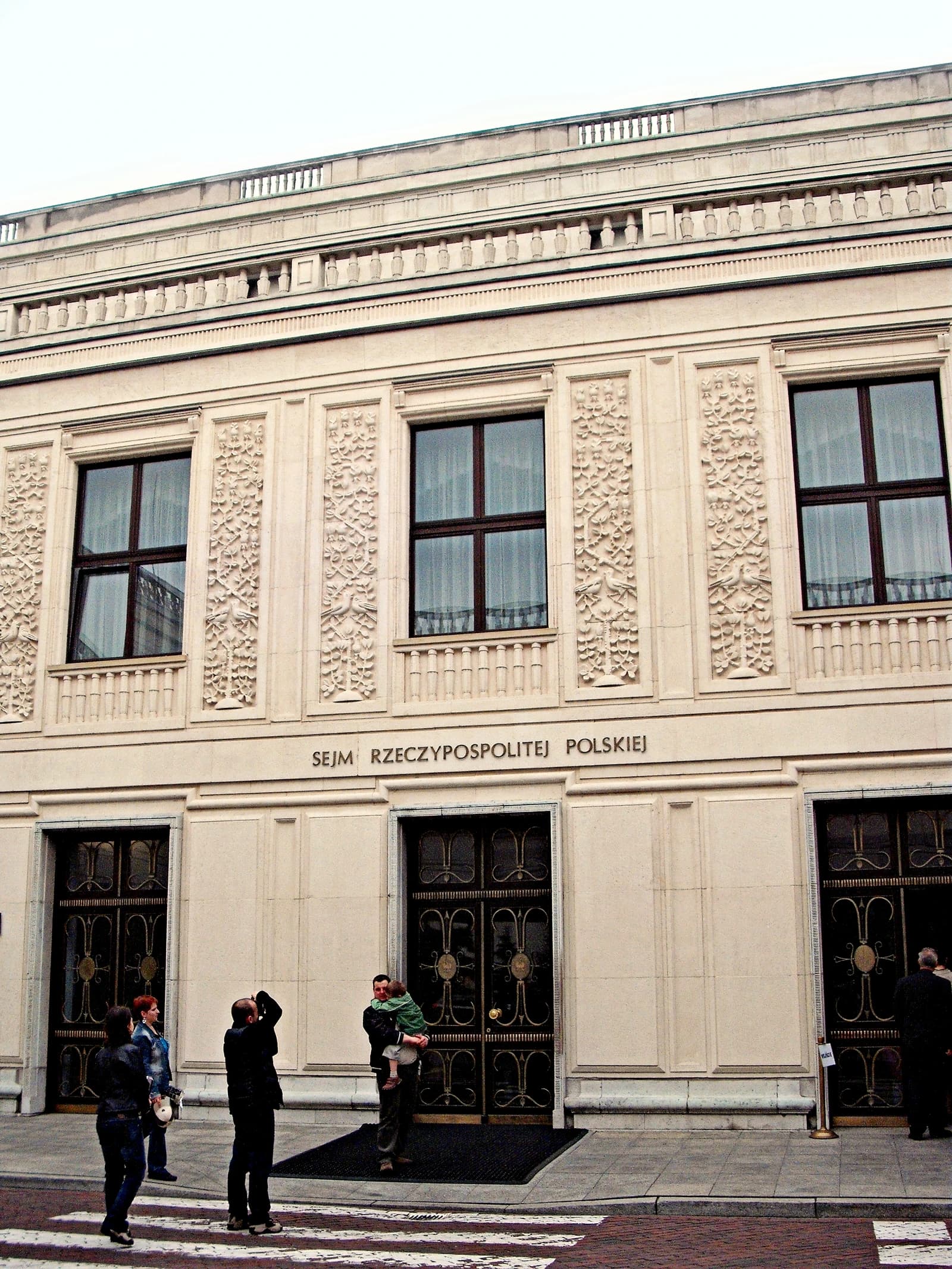
The European Court of Human Rights has ruled that Poland and Latvia subjected some migrants pushed toward the EU by Belarus to inhuman or degrading treatment, a decision that raises the legal and political cost of summary border expulsions even as Europe seeks tougher controls on irregular migration.
ECHR Rules on Poland and Latvia Migrant Pushbacks
Geopolitical Risk
The ruling matters because it lands at the fault line of Europe’s migration policy: governments want to stop what Brussels has described as the weaponization of migration by Minsk, but they cannot suspend core rights protections simply because arrivals are politically engineered. That balance is now central for border states from the Baltic region to the Mediterranean, and for investors watching defense, security and asylum-policy spending across the bloc.
Sentiment Indicators
The court said states have the right to control who enters their territory and that returning irregular migrants to the country instrumentalizing them does not automatically breach Article 3 of the European Convention on Human Rights. But it drew a hard line on vulnerable groups, finding violations in the cases of an Afghan national in Poland and all children involved in the Latvia case, along with the family members traveling with them.
The facts date back to 2021, when Belarus directed irregular migrants toward EU borders in an effort to destabilize neighboring states. Poland left two Afghan nationals in an improvised camp before sending them back across the frontier, while Latvia returned 19 Iraqi Kurds, including six children, to Belarus after an irregular crossing attempt. A separate case against Lithuania was dismissed, underscoring that the court is not outlawing border enforcement outright.
For Europe, the ruling is likely to sharpen the policy debate rather than resolve it. Border governments will read it as a warning that pushbacks without individual assessment can still trigger liability, especially when children or other clearly vulnerable people are involved. Human-rights advocates will see a precedent against the fastest form of deterrence. The market implication is less about immediate price action and more about the broader capital flow into border security, surveillance, detention, and asylum infrastructure as member states are forced to spend more to defend tougher migration regimes legally.
That is why the story extends beyond Poland and Latvia. As migration pressure remains a political flashpoint, Europe is moving toward a harder-edged border model that combines externalized processing, tighter screening and more aggressive returns. The ECHR has now made clear that the legal path to that model is narrow: governments can push back against engineered migration, but they still need procedures that withstand scrutiny. Investors should expect more demand for compliant security systems, border technology and managed-return infrastructure, while the cheapest and most ad hoc enforcement methods face the greatest legal risk.
| Entity | Gains | Losses |
|---|---|---|
| EU border-security contractors | ▲More demand for surveillance and screening | ▼None from tighter legal scrutiny |
| Poland and Latvia | ▲Some legal cover for controlled returns | ▼Higher litigation and compliance risk |
| Migrants with vulnerabilities | ▲Stronger rights protections | ▼Faster chance of summary removal |
| Belarus | ▲Less room to weaponize migration | ▼Greater exposure of its tactic |