The European Commission is proposing fresh sanctions on Russia that would hit dozens of banks, tighten pressure on cryptocurrency platforms and ban Russian teams and athletes from competing under the country’s flag, a move aimed at keeping financial pressure on Moscow as the war in Ukraine drags on.
EU Proposes New Sanctions on Russian Banks
The package matters because it widens the EU’s effort to choke off funding channels that help Russia finance its war economy. Banks and crypto venues are central to cross-border payments and sanctions evasion, while the sports restrictions add another layer of isolation intended to raise the political cost of the invasion.
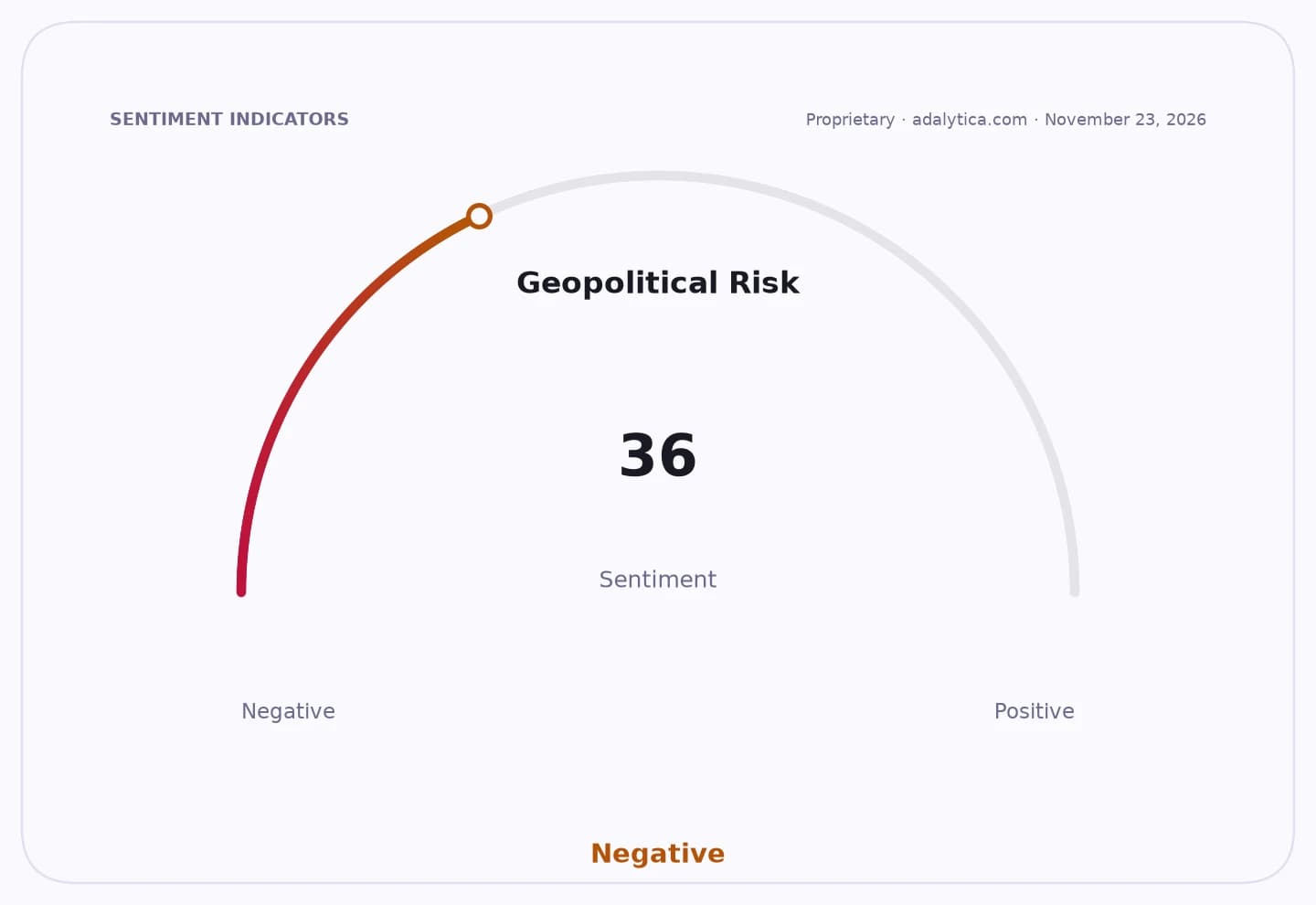
Sentiment Indicators
The measures are only a proposal for now and need unanimous approval from all 27 EU member states, a process that could take weeks and produce changes before adoption. That leaves the timing of any market impact uncertain, but the direction of travel is clear: Brussels is preparing another step in a sanctions regime that has already blacklisted more than 4,700 individuals and entities, including President Vladimir Putin and several energy companies.
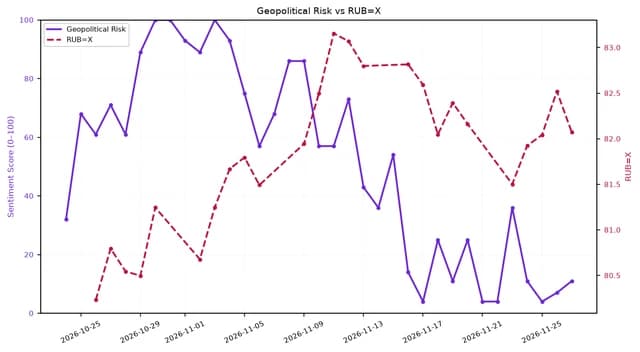
For investors, the immediate readthrough is to Russia-linked assets, European banks with residual regional exposure and crypto firms facing a tougher compliance backdrop. Sanctions headlines have also kept pressure on risk appetite more broadly, with Adalytica’s Global Stability Sentiment gauge at 11, signaling Extreme Fear, underscoring how geopolitical escalation can ripple through currencies, commodities and defensive positioning.
The euro and other Europe-sensitive assets may remain vulnerable to further headlines if the package is broadened or accelerated, while any delay or dilution by member states could temper the market response. The key catalyst is the final EU vote and any response from Moscow or allied jurisdictions, which will determine how quickly the sanctions bite in practice.
| Entity | Gains | Losses |
|---|---|---|
| EU policymakers | ▲More leverage on Moscow | ▼Exposure to intra-bloc delays |
| Russian banks and crypto platforms | ▲None | ▼Payment access, liquidity |
| Ukraine and allies | ▲More pressure on Russia | ▼None |
| Risk assets | ▲Safe-haven demand | ▼Geopolitical volatility |