Russia’s central bank has completed the rulebook for retail crypto trading, opening a tightly controlled path for Bitcoin, Ether and Tether while keeping the market firmly inside the state’s regulatory perimeter.
Russia central bank finalizes retail crypto trading rules
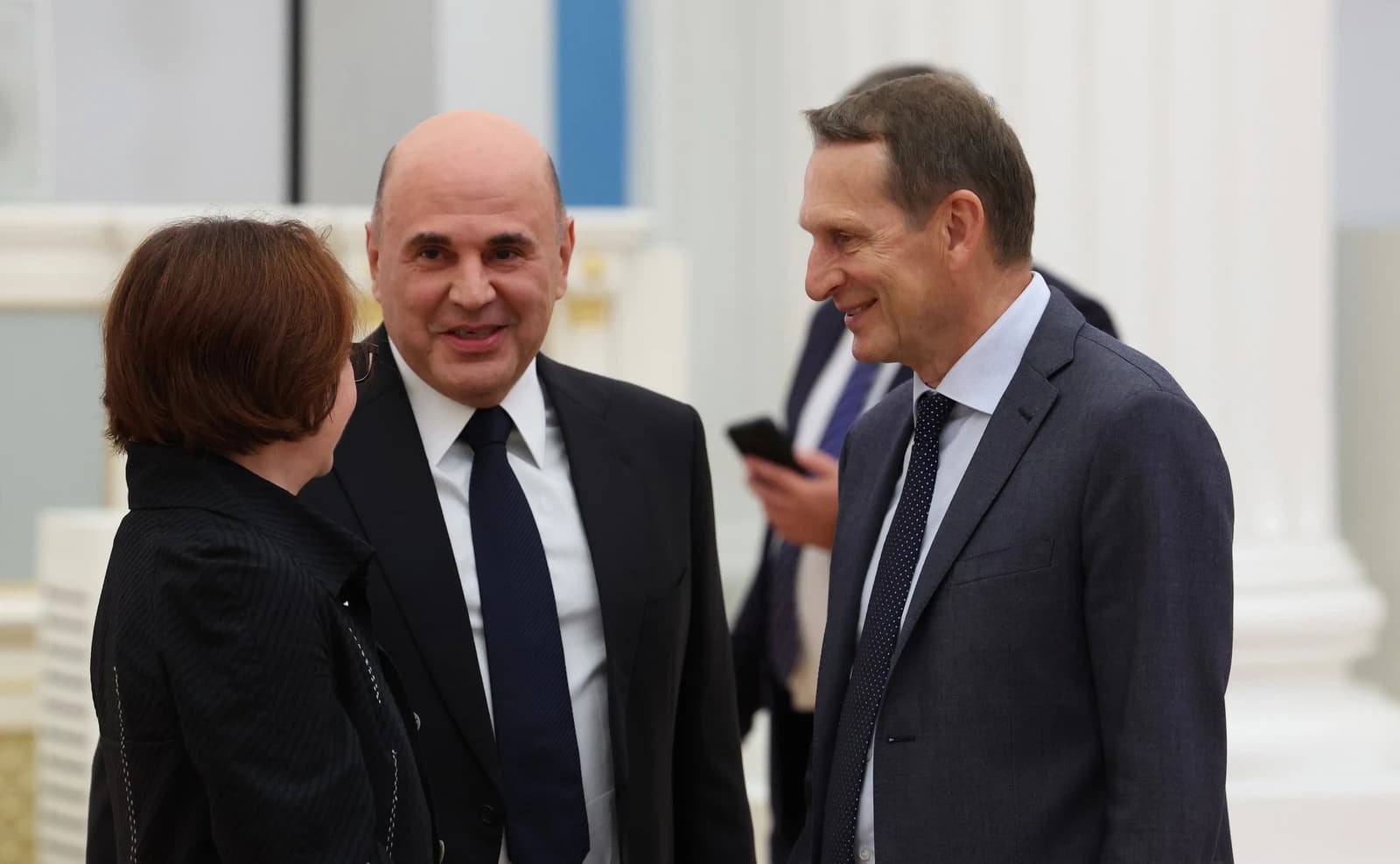
The move matters because it marks a shift from prohibition-by-default to supervised access at a moment when Moscow is looking to formalize parts of the digital-asset economy without giving up control over capital flows. Under the new framework, non-qualified investors will be allowed to buy up to 300,000 rubles, or about $3,700, a year through each intermediary, while qualified investors face no purchase cap. All traders must pass a mandatory test before participating, a structure designed to widen access while limiting speculative excess and systemic risk.
Sentiment Indicators
For policymakers, the economic logic is straightforward. Russia is channeling crypto activity into regulated intermediaries at a time when sanctions, cross-border payment frictions and capital controls have made alternative settlement rails more relevant. By bringing exchanges, brokers and asset managers into the system, the authorities can monitor flows, tax activity more effectively and reduce the appeal of opaque peer-to-peer markets. The central bank is also drawing a bright line between permitted trading and everyday use: crypto remains barred as a payment method, transfers from regulated digital accounts to self-custody wallets are prohibited, and direct peer-to-peer trading will be outlawed from July 1, 2027.
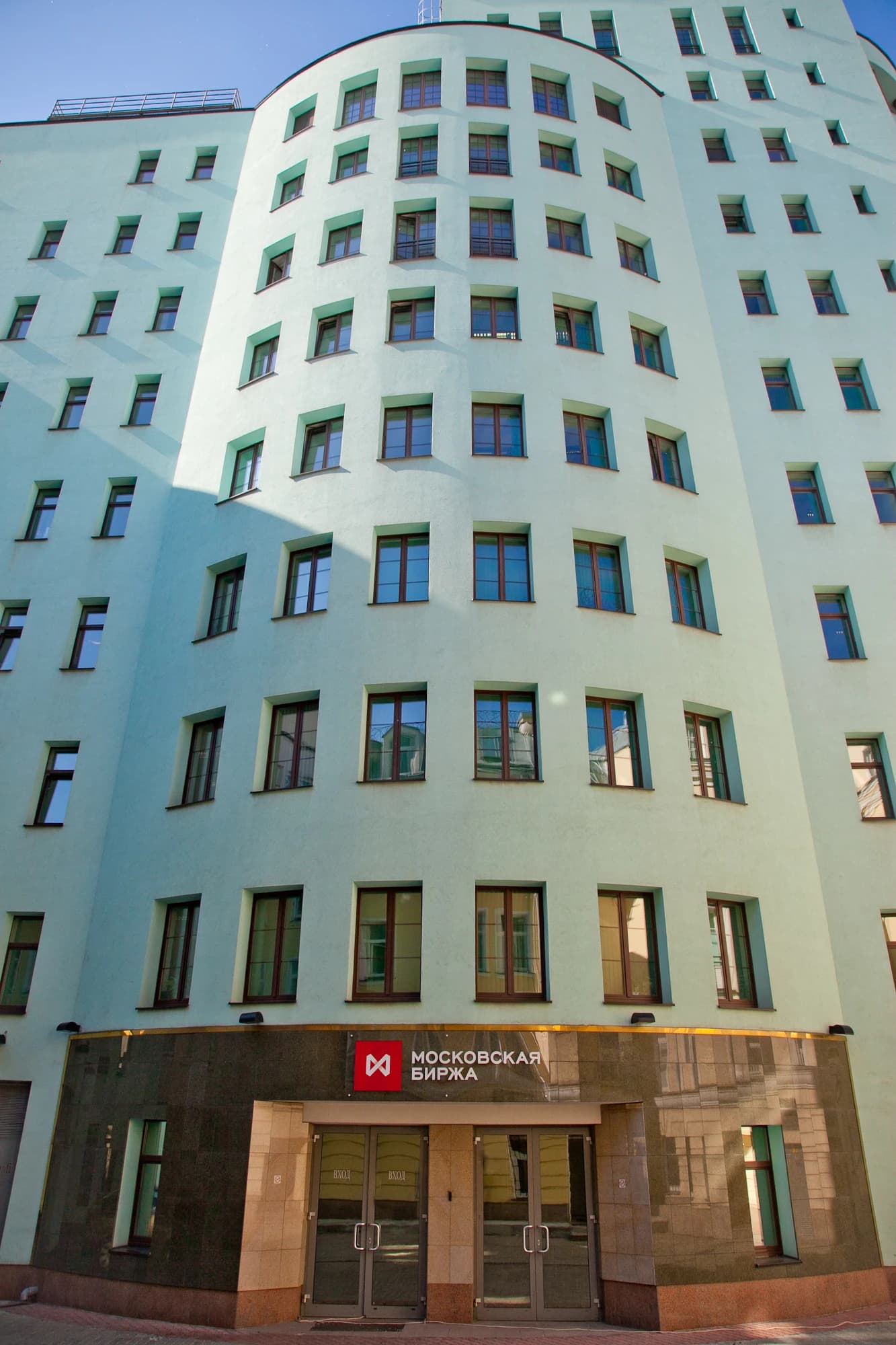
For investors, the significance is less about immediate trading volumes than about institutional legitimacy. The rules give Russia’s largest bank, Sberbank, and soon Moscow Exchange, a regulated framework to offer crypto exposure, which could deepen local liquidity and create a new channel for retail participation. Moscow Exchange plans to start crypto trading on Dec. 1 with pilot transactions, and the start date suggests the state wants a controlled launch rather than a freewheeling market. That makes the rollout relevant not just for domestic investors, but also for global crypto venues watching whether a major economy can graft digital assets onto a bank-led market structure.
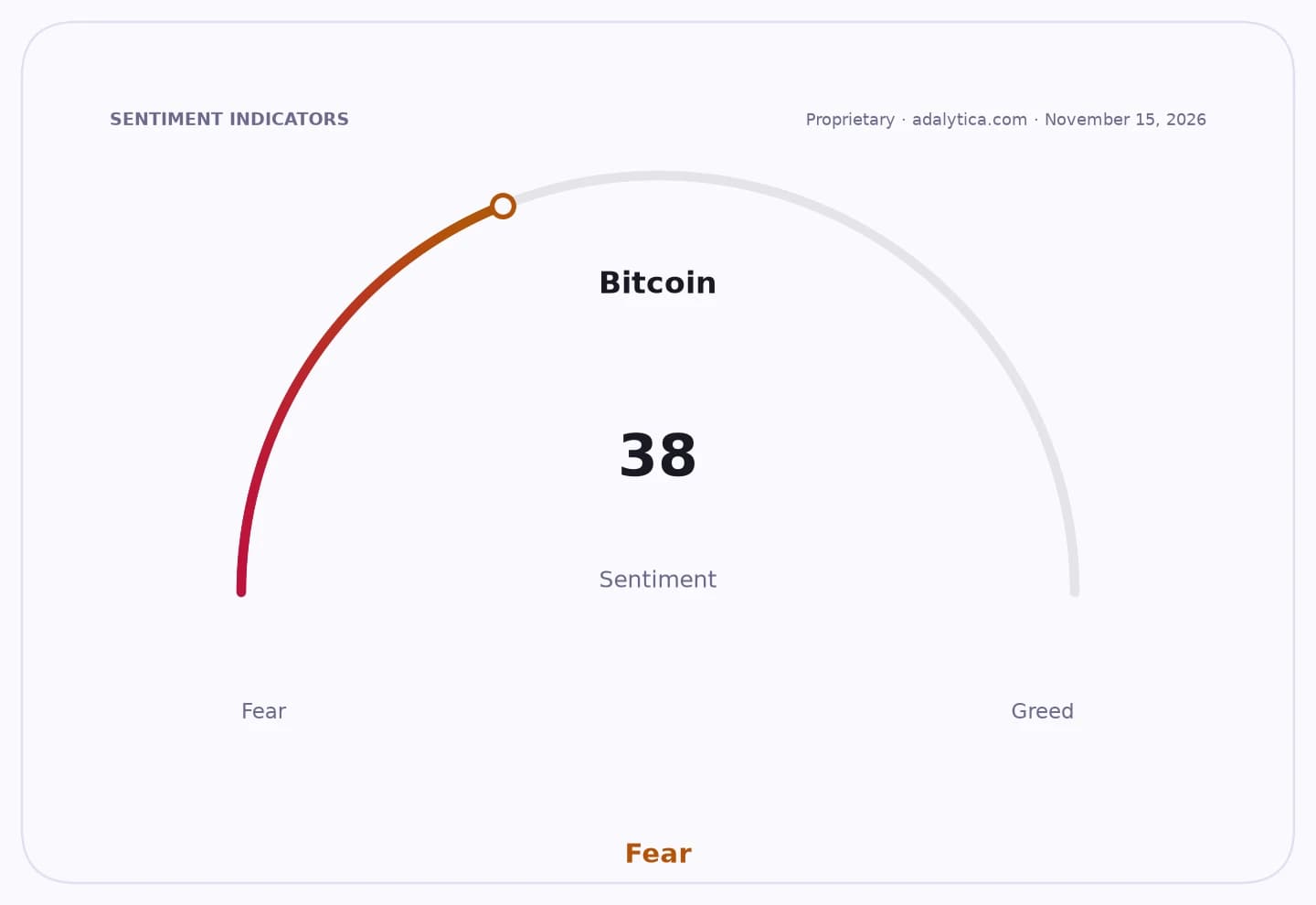
Bitcoin — 30-day sentimentadalytica.com
Explore this data interactively — full history, time series and cross-market comparisons.
The list of eligible assets is also telling. The Bank of Russia has limited the initial offering to Bitcoin, Ether and USDT, citing market capitalization, trading volume and at least five years of foreign price history. That narrows the field to assets with enough liquidity and price discovery to satisfy regulators, while excluding the broader universe of smaller tokens that carry higher fraud and volatility risk. In practice, the framework favors large-cap crypto and stablecoins over the more speculative corners of the market.
The market backdrop has not been supportive. Bitcoin has been under pressure, with the token falling to about $68,632 on Friday from above $80,000 earlier this month, while Adalytica’s Bitcoin Fear & Greed Index sat at a neutral 40, down 6 points on the day. That weakness underscores a bear case for the Russian rollout: the new rules may arrive into a risk-off market, limiting enthusiasm and muting the near-term impact on trading activity. But the bull case is that any regulated opening in a large market can still matter at the margin, especially if institutional players and bank channels help normalize access.
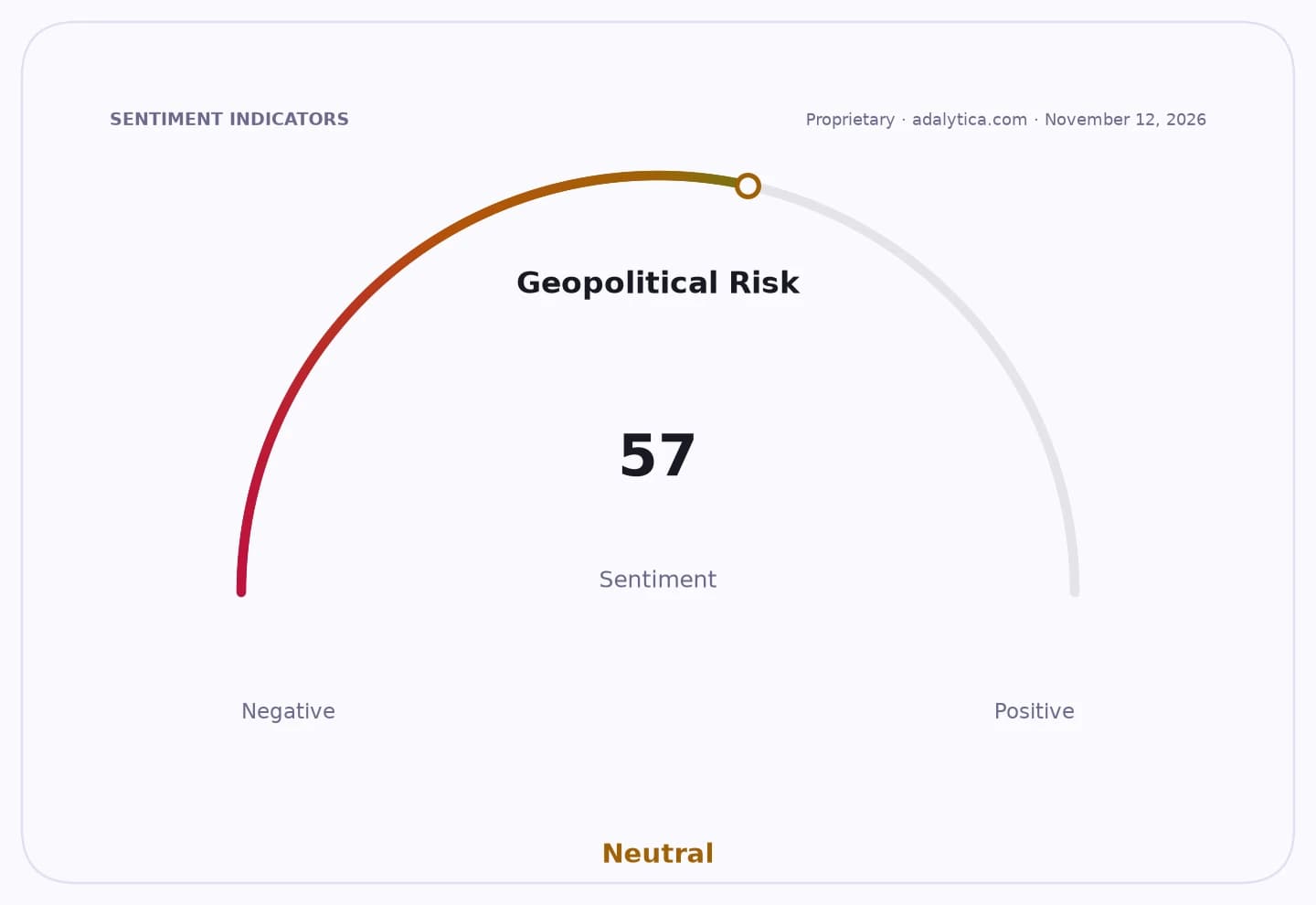
The policy also has broader geopolitical weight. Russia is not embracing crypto as an unregulated escape valve; it is designing a supervised market that can coexist with sanctions pressure, domestic capital controls and the state’s preference for traceability. That makes the rollout a test case for how far a major economy can integrate digital assets without surrendering oversight. For exchanges and banks, the opportunity is clear. For the state, the priority is equally clear: expand access, contain leakage and keep crypto inside the fence.
What investors should watch next is execution. The first transactions on Nov. 17 and Moscow Exchange’s Dec. 1 pilot will show whether demand exists within the limits set by regulators, whether banks can onboard clients smoothly and whether the state’s controlled model attracts more activity than offshore workarounds. If it does, Russia’s framework could become a template for other jurisdictions seeking to legalize crypto without liberalizing it.
| Entity | Gains | Losses |
|---|---|---|
| Russian regulators | ▲More oversight, tax visibility | ▼Less open-market freedom |
| Sberbank and brokers | ▲New fee revenue | ▼Compliance burden |
| Retail investors | ▲Regulated access to BTC, ETH, USDT | ▼Annual buying limits |
| Offshore peer-to-peer traders | ▲N/A | ▼Tighter restrictions, less demand |