Kazakhstan has raised the bar for what counts as entrepreneurial income on personal bank accounts, easing the compliance burden for small online sellers and gig workers while keeping a close watch on frequent, high-volume transfers.
Kazakhstan raises bank transfer tax threshold
The finance ministry said the value threshold will increase from 12 monthly calculation indices to 360 MRP, or from 1.02 million tenge to 1.557 million tenge in 2026, under a rule that still targets individuals receiving money from at least 100 different people in each of three consecutive months. In practice, that means the government is trying to separate casual peer-to-peer transfers from sustained commercial activity, without widening the net so far that it catches ordinary household payments.
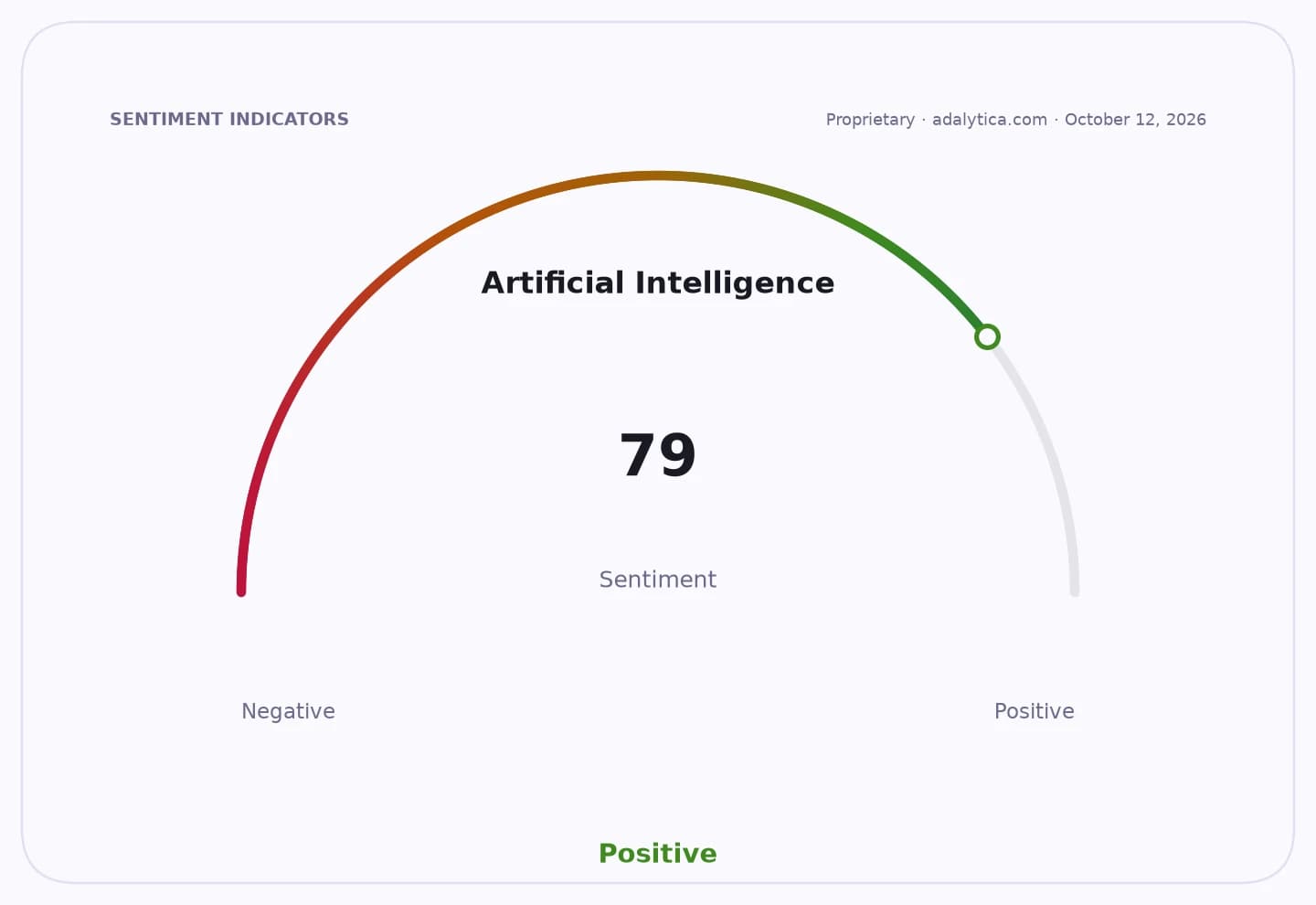
Sentiment Indicators
The change matters economically because Kazakhstan is tightening the taxation and reporting framework around the fast-growing digital commerce economy while trying not to choke off small-scale entrepreneurship. By lifting the threshold, the state is signaling some tolerance for inflation and higher transaction volumes, but it is also preserving the broader policy goal of widening the formal tax base and improving visibility over cash flows moving through the banking system. The rule is due to take effect on Nov. 10, 2026, giving banks, payment platforms and taxpayers time to adjust their systems.
For investors, the immediate focus is on banks and fintech platforms that sit between consumers, merchants and the tax authority. Kaspi.kz, the country’s dominant digital finance and payments player, is likely to remain central to how such reporting rules are implemented, even if the measure does not directly change its economics. More stringent account monitoring can increase operating complexity and compliance costs, but it can also reinforce the formalization of retail transactions and support long-term fee and payments volumes if more activity migrates into traceable channels.
The backdrop is a regulatory environment in which Kazakhstan is seeking to modernize its financial infrastructure through tools such as Smart Data Finance, the electronic reporting system referenced in the order. The ministry also updated the forms for banking disclosures on accounts, balances and loan movement, underscoring that the policy is as much about data collection as tax enforcement. Even the technical provision allowing filings on CD-ROM in the event of system outages suggests a state that is still building redundancy into its digital oversight architecture.
Market reaction is likely to be limited in the near term, but the policy is relevant for any company exposed to domestic e-commerce, consumer payments and small merchant activity. A higher reporting threshold may reduce the risk that sporadic personal transfers are reclassified as business income, which should be welcomed by smaller sellers. At the same time, the requirement to monitor repeated payments from 100 or more counterparties keeps pressure on the informal economy and on payment intermediaries to ensure their client activity can be categorized correctly.
The key question for investors is whether Kazakhstan continues moving toward broader formalization without triggering backlash from micro-entrepreneurs. If the rule is enforced evenly, it could improve tax compliance and data quality across the financial system; if it is seen as overly intrusive, it could push some commerce back toward cash or informal channels.
| Entity | Gains | Losses |
|---|---|---|
| Small online sellers | ▲Higher reporting threshold | ▼Lower administrative burden |
| Tax authorities | ▲Better transaction visibility | ▼Less room for informal activity |
| Banks and fintechs | ▲More formalized flows | ▼Higher compliance workload |
| Cash-based merchants | ▲Fewer accidental tax flags | ▼Less advantage over digital sellers |