Kazakhstan’s National Bank has extended a key mortgage relief measure until the end of 2029, preserving access to subsidized housing loans even as policymakers continue to worry about household leverage and financial stability.
Kazakhstan extends mortgage relief until 2029

The decision matters because it keeps one of the country’s most important home-financing channels open for borrowers whose debt-service burden would otherwise push them over standard lending limits. Under the extension, loans issued through the housing construction savings system will remain exempt from the rule that normally bars new lending when monthly debt payments exceed 50% of income.
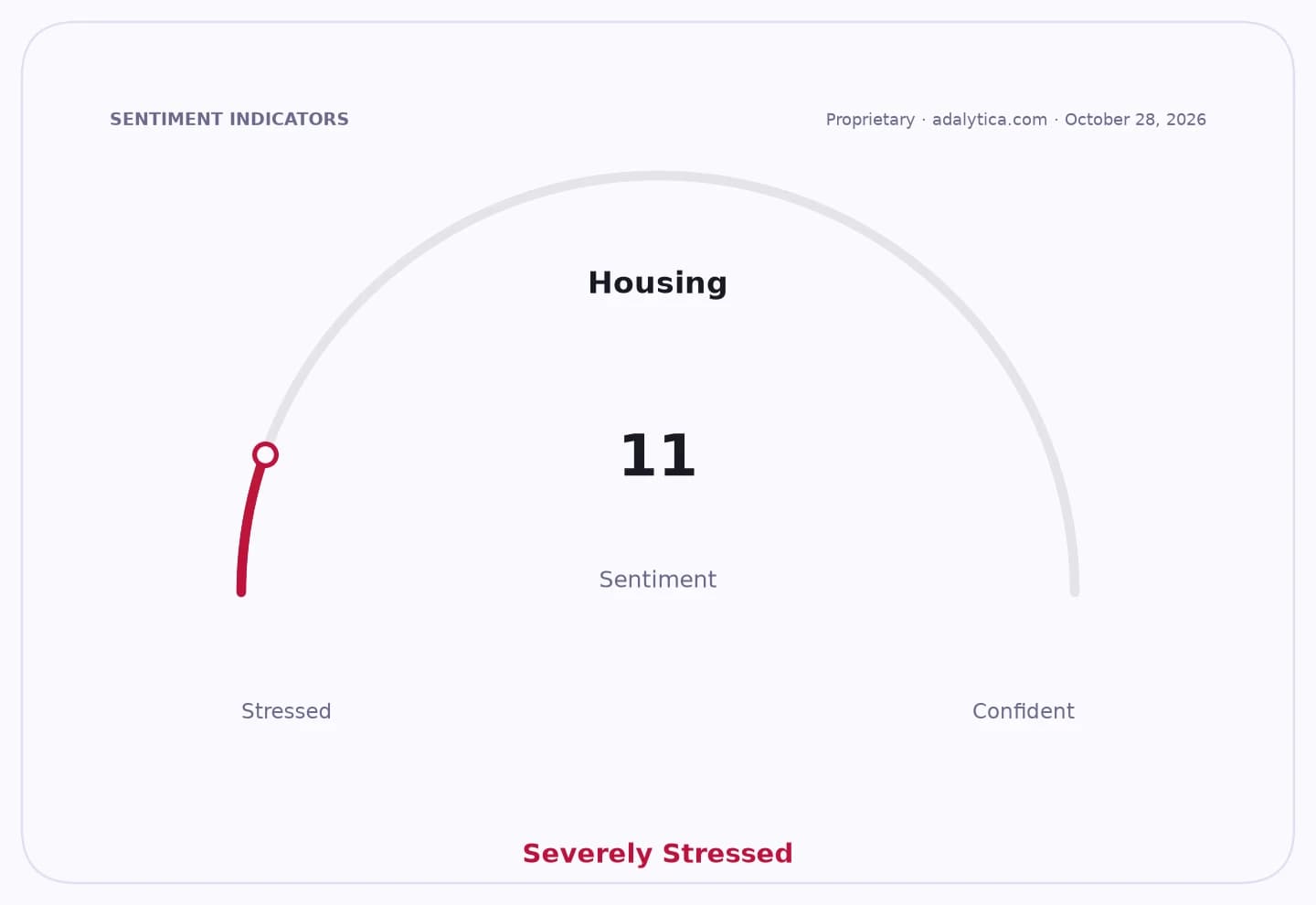
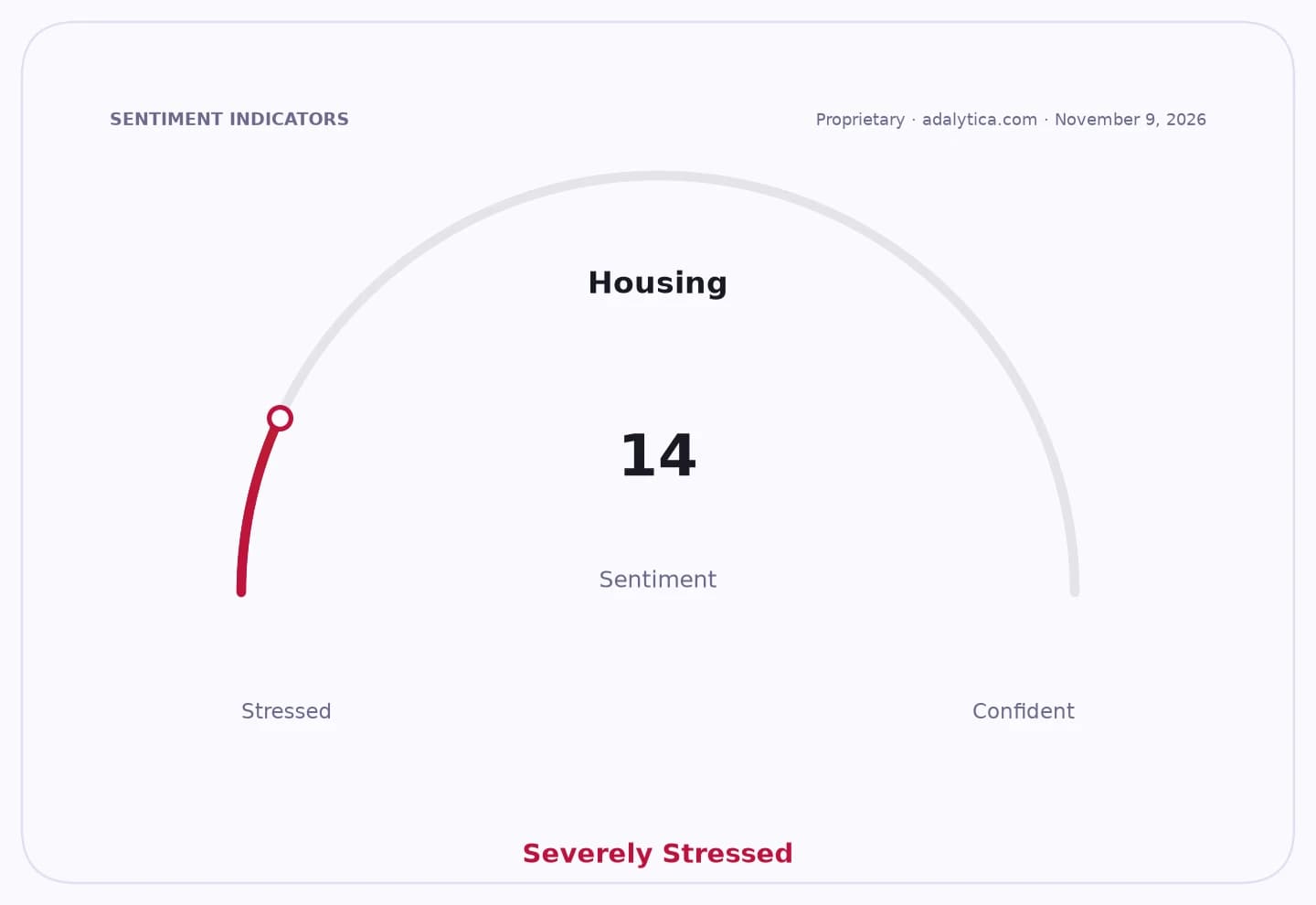
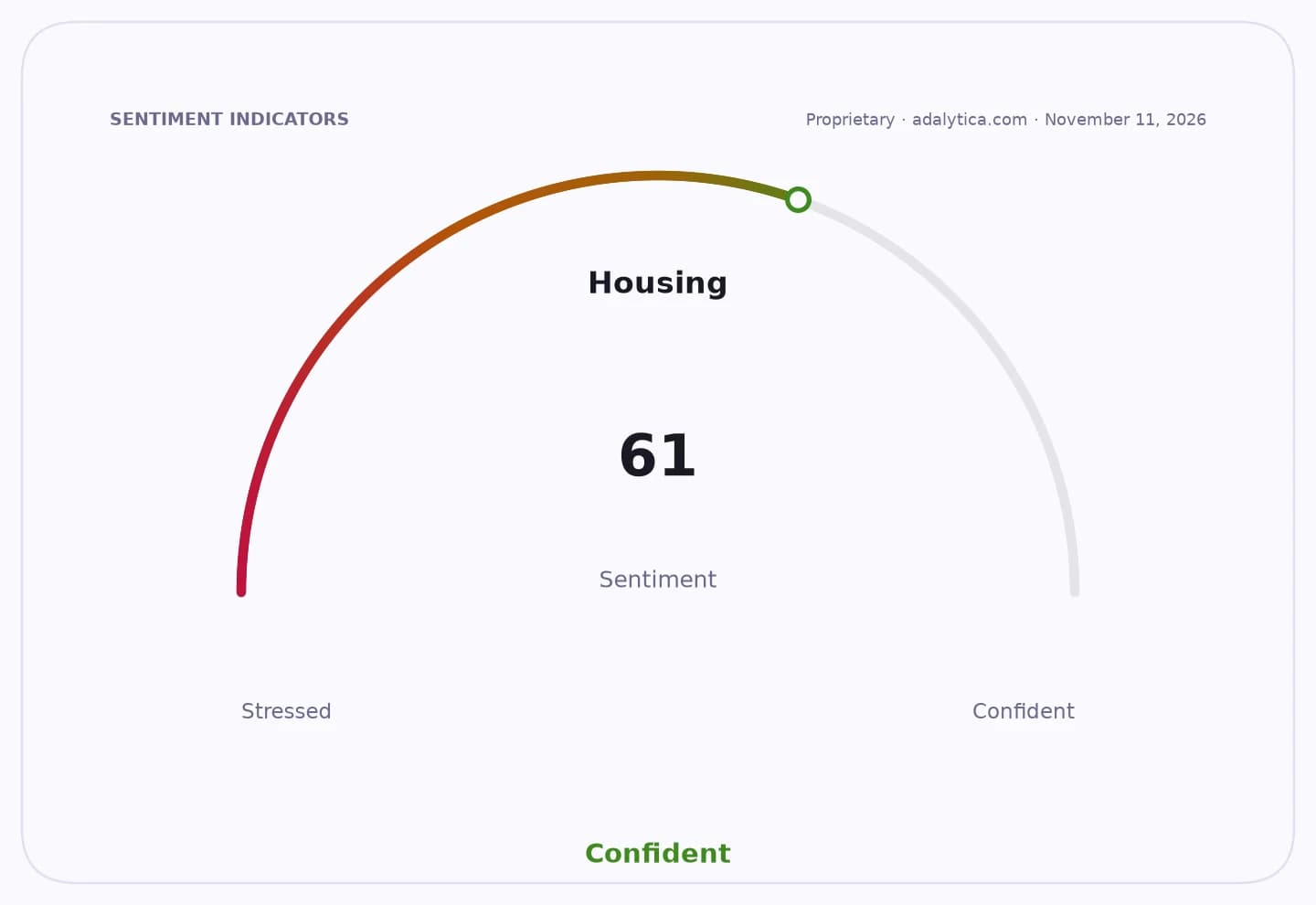
Sentiment Indicators
That makes the policy more than a consumer concession. Housing finance is a politically sensitive support for home ownership, but it is also a macroprudential balancing act: loosening underwriting rules can boost credit demand, construction activity and housing transactions, yet it raises the risk that households take on debt they struggle to service if rates stay high or incomes weaken.
The National Bank said it had reviewed conditions in the mortgage market before deciding to prolong the discount, which had been due to expire earlier. The exemption now runs through Dec. 31, 2029, and the changes will be written into the central bank’s macroprudential framework. Officials also signaled they will keep watching the credit market through 2027 and could impose tighter restrictions if vulnerabilities rise.
For investors, the extension points to a supportive backdrop for Kazakhstan’s housing-linked lenders and developers, but it also signals that the central bank is not willing to let credit growth run unchecked. That should temper expectations for a broad easing cycle in mortgage underwriting. Instead, the bank is choosing a targeted carve-out for a specific lending system while retaining the option to clamp down elsewhere if household debt indicators deteriorate.
The policy echoes a broader trend in housing markets where affordability pressure is forcing authorities to choose between near-term support for buyers and longer-term credit discipline. Mortgage stress has remained elevated in other markets as borrowing costs stay restrictive, and the same tension appears to be shaping Kazakhstan’s approach.
For banks, the near-term benefit is a steadier flow of mortgage originations through the housing savings system. For borrowers, the advantage is access to financing that might otherwise be denied under standard affordability tests. The risk is that weaker underwriting can add to household vulnerability if rates remain elevated or the economic backdrop softens.
What to watch next is whether the extended exemption lifts mortgage volumes materially and whether the central bank tightens rules in other consumer lending segments to offset the added risk. If credit quality stays stable, the move could help sustain housing demand through the end of the decade. If arrears rise, the policy may prove to be only a temporary reprieve for households already under strain.
| Entity | Gains | Losses |
|---|---|---|
| Homebuyers using housing savings loans | ▲Easier mortgage access | ▼Less underwriting protection |
| Kazakh housing lenders | ▲Higher loan volumes | ▼Greater credit risk |
| Property developers | ▲Supportive demand | ▼Less pricing discipline |
| National Bank of Kazakhstan | ▲Housing-market stability | ▼Near-term prudential buffer |