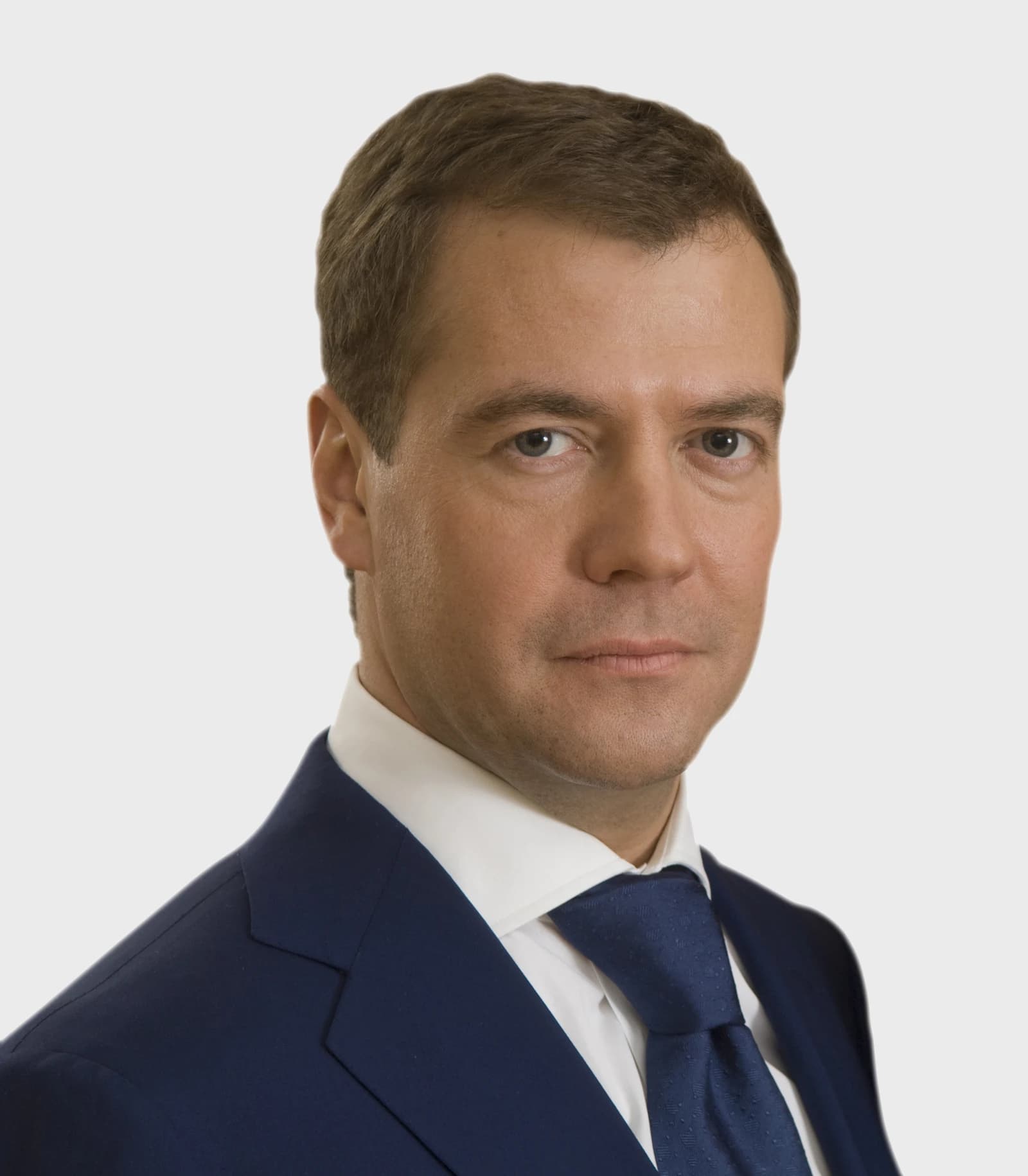
Russia’s latest mass strike on Ukraine is sharpening geopolitical risk on NATO’s eastern flank just hours after Dmitry Medvedev called part of Galicia a potential “buy-in” for Poland, a remark that underscores how quickly the war’s rhetoric is spilling beyond Ukraine’s borders.
Russia strike on Ukraine damages bridges and power grid
The immediate economic impact comes from the renewed pressure on Ukraine’s transport and power networks, with Moscow saying it hit bridges, substations, power plants and facilities linked to weapons production and logistics. For investors, the more important point is that the conflict is again expanding into infrastructure assets that matter for industrial output, electricity supply and the movement of military and commercial goods, making any path to stabilization harder to price.
Sentiment Indicators

Russia’s defense ministry said the overnight attack used precision weapons from land, sea and air as well as drones against targets in Kyiv, Dnipropetrovsk, Mykolaiv, Lviv, Ivano-Frankivsk, Chernihiv and Odesa regions. Kyiv mayor Vitali Klitschko said several bridges across the Dnipro were damaged, including the Podilskyi-Voskresenskyi, Darnytskyi and Pivdennyi crossings. Ukrainian officials also reported power outages in parts of the country, including in Kryvyi Rih and the Lviv region.
The strike matters economically because bridges and substations are not just symbolic targets. They are choke points for freight flows, power distribution and industrial continuity. Damage to transmission assets can force rolling outages, disrupt mining and metals output in central Ukraine and complicate rail logistics, while bridge damage in Kyiv raises the cost and delay of moving people and goods through the capital.
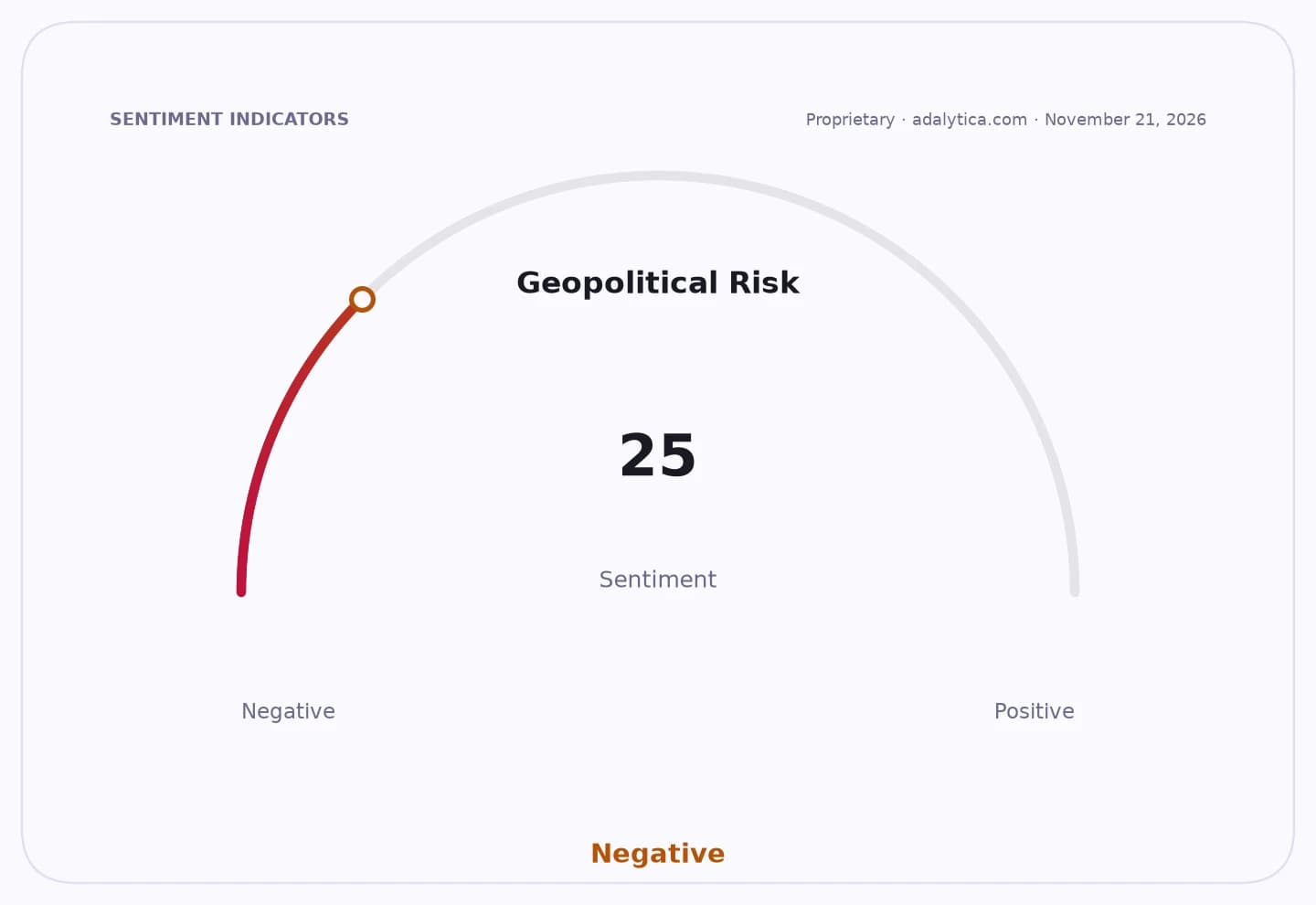
Geopolitical Risk — 30-day sentimentadalytica.com
Explore this data interactively — full history, time series and cross-market comparisons.
Geopolitical Risk
The political backdrop is equally significant. Medvedev’s comment on Galicia — a region in western Ukraine with historical resonance for Poland — is part of a familiar Kremlin playbook of escalating rhetoric toward NATO states that support Kyiv. Even if it does not indicate an imminent policy shift, it raises the risk premium for investors watching the wider European security environment, particularly for currencies, regional defense spending and energy infrastructure assets.
That backdrop helps explain why market sensitivity to the war remains high even when direct financial exposure is limited. Adalytica’s Global Stability Sentiment gauge shows fear at 25, with the 30-day reading down 60 points, while its Euro Trade Signals snapshot sits at neutral but has weakened over the past week. That does not suggest a market rout on its own, but it does point to persistent fragility in confidence around Europe’s periphery.
For investors, the bull case is that Ukraine’s defenses and redundancy in its grid limit the lasting economic damage, while markets largely treat the escalation as a known risk. The bear case is that repeated attacks on energy and logistics infrastructure gradually erode Ukraine’s industrial base, keep reconstruction costs elevated and heighten spillover risk into neighboring EU states, especially Poland and the broader Black Sea corridor.
The near-term focus will be on the extent of physical damage, whether outages spread further across western and central Ukraine, and whether Moscow’s rhetoric toward Poland and other NATO members translates into a broader diplomatic escalation. Until then, the latest strike reinforces a central market reality: the war is still capable of disrupting infrastructure, trade flows and regional risk sentiment with little warning.
| Entity | Gains | Losses |
|---|---|---|
| Russia | ▲Pressure on Ukraine’s infrastructure | ▼Higher geopolitical isolation |
| Ukraine | ▲International sympathy and support | ▼Power and transport disruption |
| Poland/NATO border states | ▲Stronger security focus | ▼Higher regional risk premium |
| European markets | ▲Defense-sector support | ▼Fragile confidence and volatility |