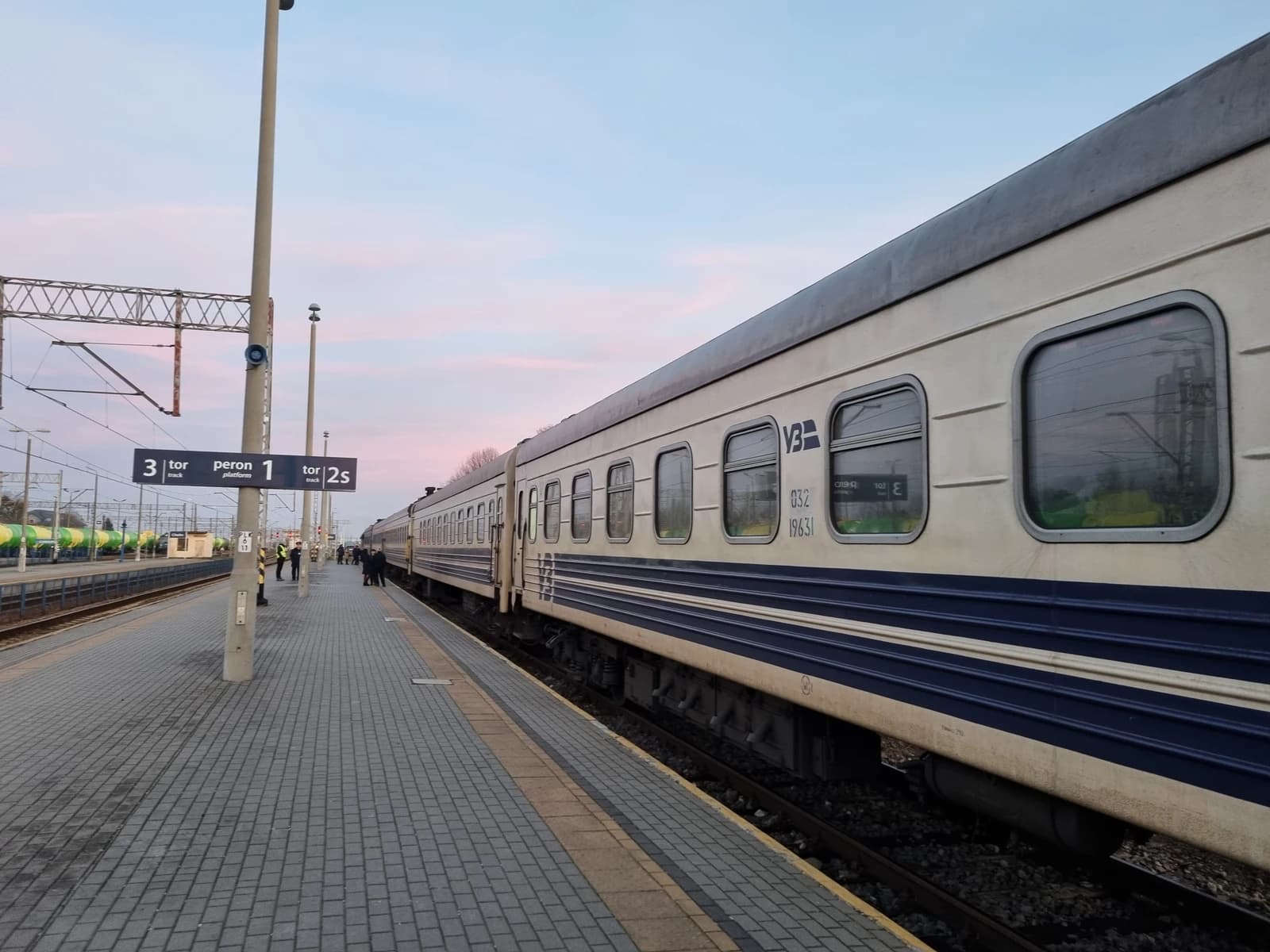
Russia’s attack on the Sknyliv station in Lviv killed and injured civilians and damaged a rail ticket terminal, underscoring how the war is now hitting western Ukraine’s transport network as Moscow keeps targeting logistics well away from the front line.
Lviv rail station hit in Russian strike
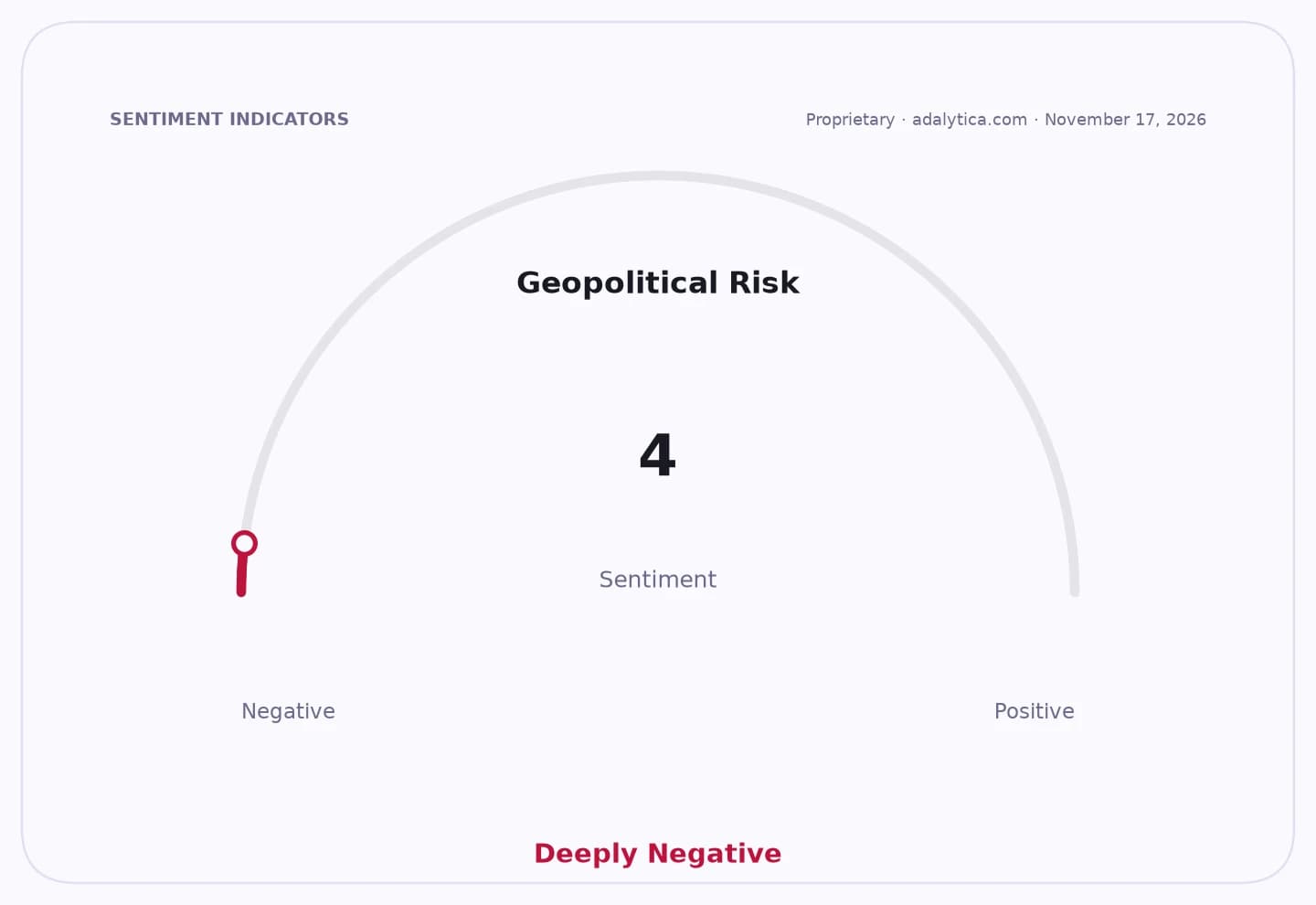
Geopolitical Risk
Ukrzaliznytsia, Ukraine’s state rail operator, said an early warning from its monitoring center allowed a train approaching the station to stop before arrival, and passengers were evacuated. Railway workers were not hurt, and the station building was not operating at the time of the strike, limiting what could have been a far larger casualty count.
Sentiment Indicators
The attack matters economically because rail remains one of Ukraine’s most important arteries for people, freight and emergency movement. Damage to stations, terminals and track-side infrastructure can force delays, rerouting and higher operating costs at a time when the country’s transport system is already stretched by repeated Russian strikes on power and logistics assets. Ukrzaliznytsia said it was still assessing the scale of the damage and the effect on service.
The strike also fits a broader pattern of Russian attacks on infrastructure designed to pressure Ukraine’s civilian economy and complicate internal mobility. In the same wave of assaults on Lviv, local authorities said two people were killed and an energy facility, residential buildings and vehicles were damaged, highlighting how transport, utilities and housing are increasingly being hit together.
For investors, the immediate market read-through is less about direct financial exposure than about the war premium. Sustained attacks on critical infrastructure reinforce demand for defense and security spending, support European energy-security and reconstruction themes, and keep geopolitical risk elevated across regional assets. Adalytica’s Global Stability Sentiment remains in “Fear,” while its WTI trade signals show “Extreme Greed,” a combination that reflects how conflict-driven disruption can lift energy risk even as broader risk appetite stays fragile.
The operational response was also notable: rail staff used the warning system to halt the train in time, evacuate passengers and avoid additional casualties. That suggests Ukraine’s emergency protocols remain functional, but it also shows how dependent civilian transport has become on rapid alerts and resilience measures.
What to watch next is whether the strike causes service interruptions beyond Lviv and whether damage to rail nodes in western Ukraine begins to affect domestic passenger flows, military logistics and cross-border connections into the European Union. If the attacks persist, they will keep raising the economic cost of the war and the strategic value of rail infrastructure as both a target and a lifeline.
| Entity | Gains | Losses |
|---|---|---|
| Russia | ▲pressure on Ukrainian logistics | ▼international condemnation |
| Ukraine | ▲stronger air-raid protocols | ▼damaged transport infrastructure |
| Passengers | ▲timely evacuation | ▼casualties and travel disruption |
| Defense and security suppliers | ▲higher demand | ▼none immediate |