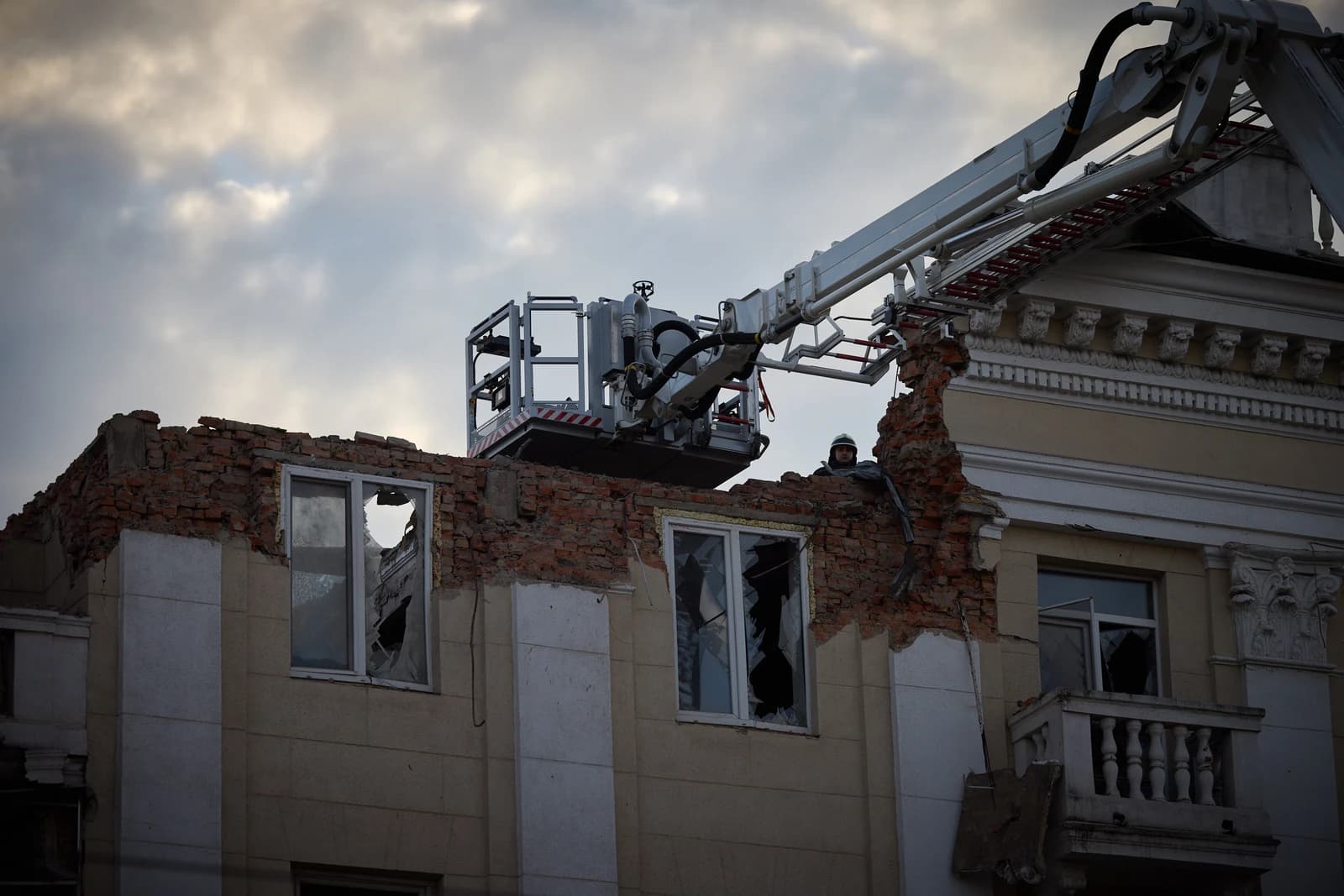
Russia’s winter campaign against Ukraine’s power grid could trigger a new wave of civilian flight, with Polish officials bracing for anything from a modest seasonal influx to a worst-case scenario of millions of people crossing the border.
Poland Braces for Possible Ukraine Refugee Surge
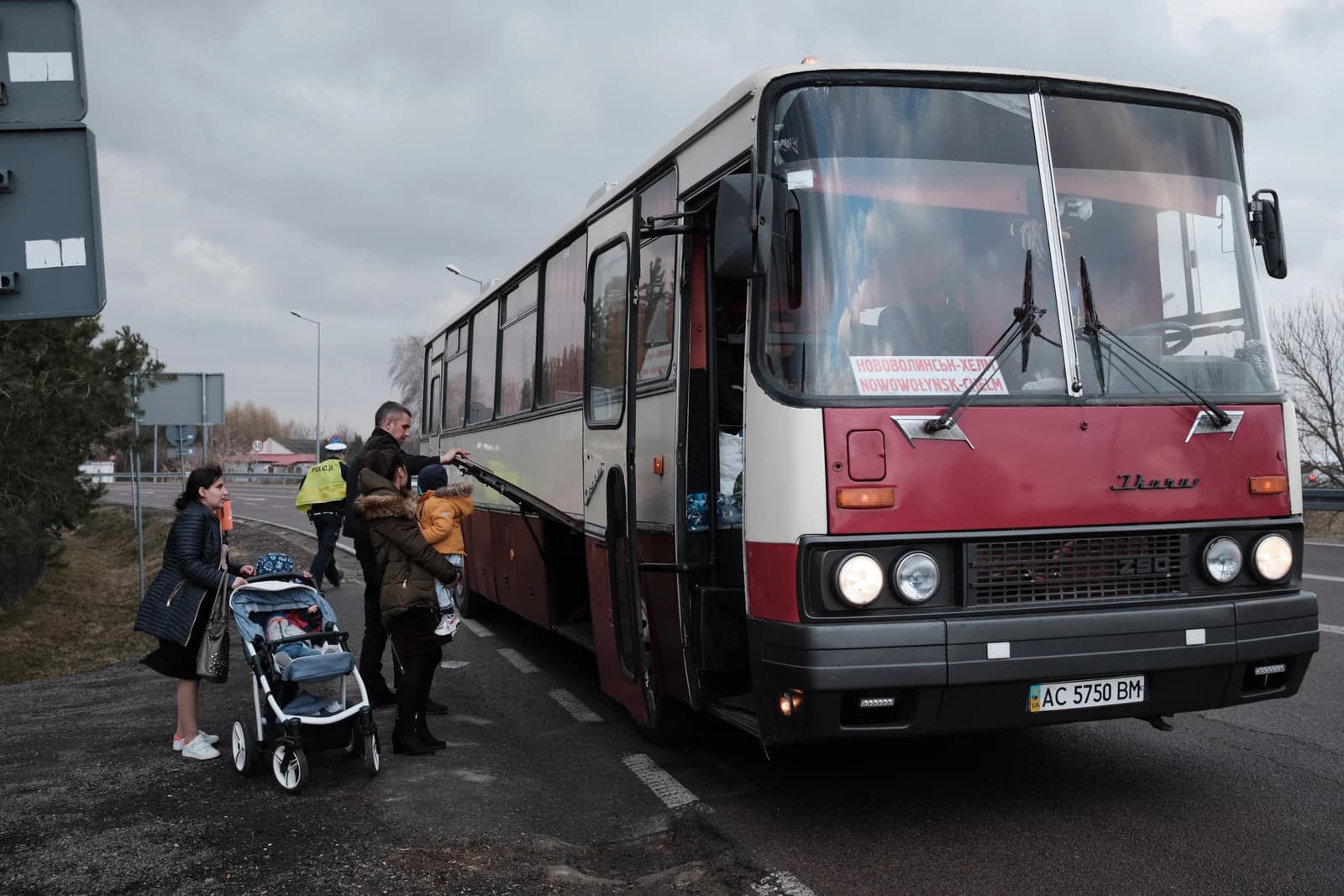
That matters far beyond the battlefield. If Moscow succeeds in knocking out heat, electricity and water in major cities, the result would be a humanitarian shock that strains Ukraine’s urban centers, tests Poland’s reception capacity and adds another layer of uncertainty to European politics and markets heading into winter. For investors, it is another reminder that the war is not a frozen conflict but a live shock to energy infrastructure, migration flows and regional stability.
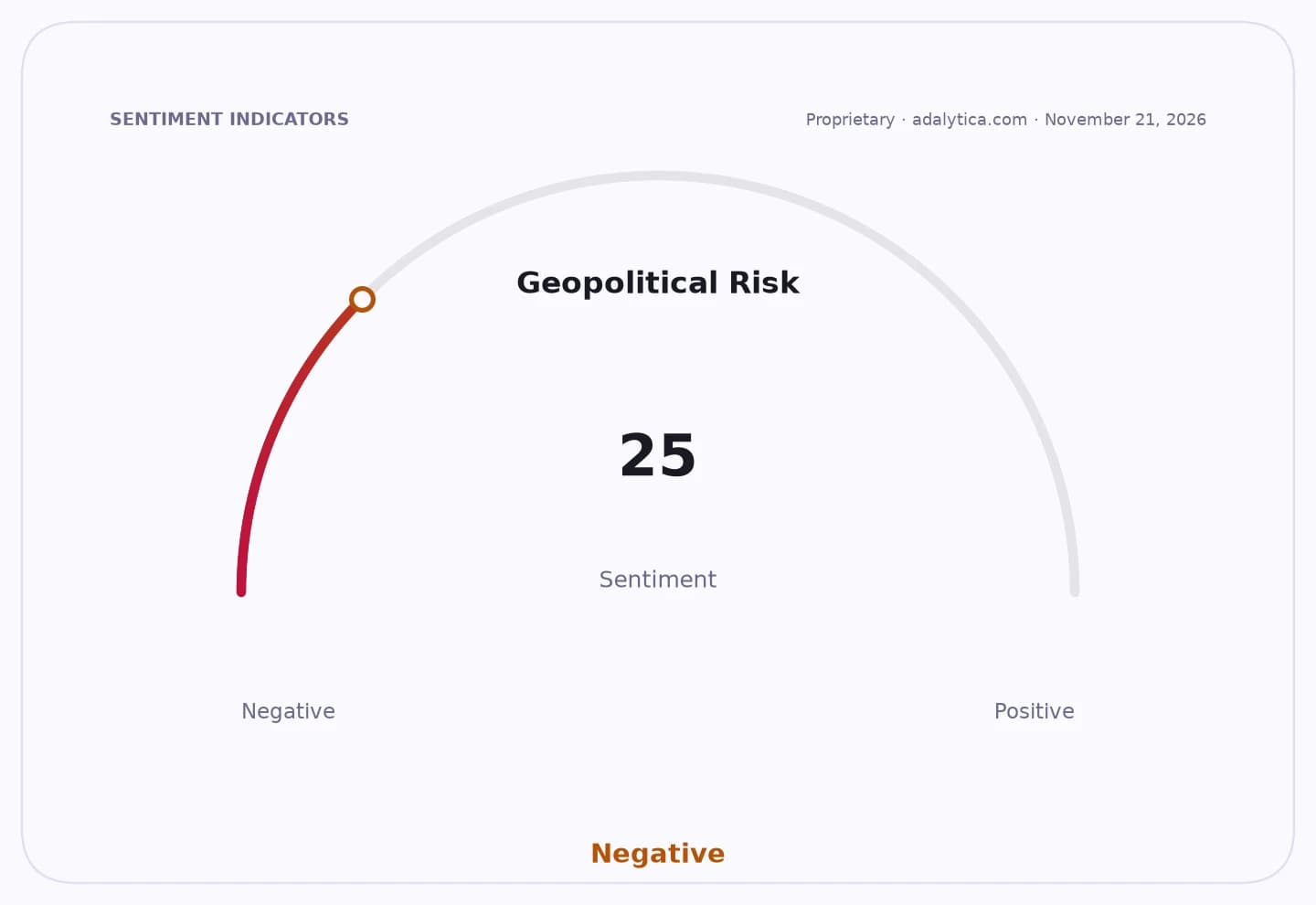
Sentiment Indicators
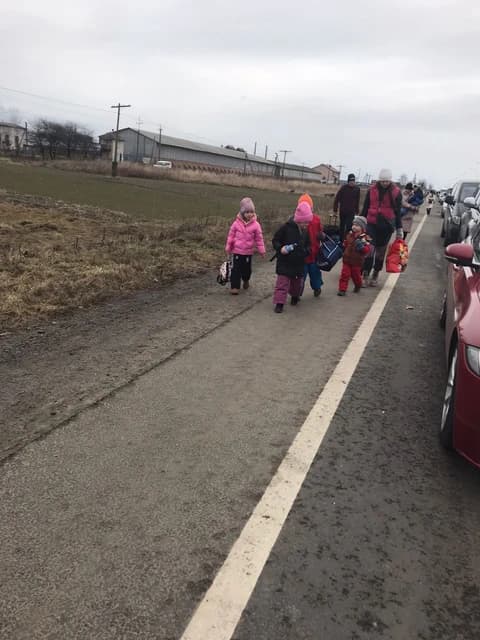
Polish officials are considering three scenarios: no major influx, arrivals mainly limited to Ukrainians joining family already in Poland, or a mass movement of refugees. The most alarming estimate cited in the reporting suggests as many as 2.5 million people could head to Poland if large cities such as Kyiv and Odesa become uninhabitable. That would dwarf the current emergency posture, which includes only two active reception points, in Przemyśl and Lublin, after many of the temporary structures from 2022 were dismantled.
The economic logic is simple. A city can function only if power, heat, sewage and water keep working; if those systems fail, households lose the ability to stay put and governments must find shelter, transport, food and medical support at scale. Ukraine’s defenses are already stretched by a shortage of interceptors, especially Patriot missiles, while Russia is using more destructive long-range systems, including the jet-powered Geran-5 drone described in the report as closer to a cruise missile than a conventional drone.
Geopolitical Risk — 30-day sentimentadalytica.com
Explore this data interactively — full history, time series and cross-market comparisons.
That asymmetry is what makes this winter so dangerous. Russian strikes are aimed less at front-line tactics and more at the urban life-support system. If temperatures turn severe, the pressure rises sharply. If peace talks drag on, the incentive for Moscow to intensify attacks could grow. If the winter is milder, the humanitarian damage may be contained. But the risk is no longer abstract: Russia is clearly trying to force a blackout and create conditions that push civilians out of the country.
For investors, the main implication is not a direct market trade but a durable risk premium on Europe’s eastern flank. Any larger refugee flow would require more Polish public spending, more logistics and housing capacity, and potentially more support from the EU. It could also influence currencies, regional sentiment and sectors tied to border management, transport, construction and social services. More broadly, it underscores how geopolitics can still move capital allocation, inflation expectations and government budgets long after the headlines fade.
The base case is still that Ukraine and its partners absorb the blow better than Russia hopes. But the developing narrative is unmistakable: this winter is a test of whether energy infrastructure, air defenses and emergency planning can prevent a humanitarian collapse. Investors should keep watching Poland, Ukraine and the broader European policy response, because the next wave of risk may arrive not through tanks but through cold, darkness and displacement.
| Entity | Gains | Losses |
|---|---|---|
| Ukraine’s civilians | ▲Emergency aid if prepared | ▼Power, heat and shelter security |
| Poland | ▲Role as regional refuge hub | ▼Public spending and logistics strain |
| Russia | ▲Pressure leverage in war | ▼International backlash if escalation deepens |
| European Union | ▲Case for coordinated support | ▼Budgetary and political pressure |