Poland is set to be able to seek another exemption in 2027 from taking in migrants under the European Union’s migration and asylum pact, a move that would spare Warsaw from relocation obligations for a second year and ease pressure on a government already grappling with border security and the political fallout from migration policy.
Poland may seek EU migration exemption in 2027

The European Commission’s proposal matters because the pact’s solidarity mechanism is designed to spread the cost of migration more evenly across the bloc. For Poland, the exemption would recognize that the country is carrying a heavy burden from the war in Ukraine, where it hosts large numbers of people under temporary protection, while also facing what Brussels described as continued pressure from the use of migration as a tool of coercion at its eastern border.
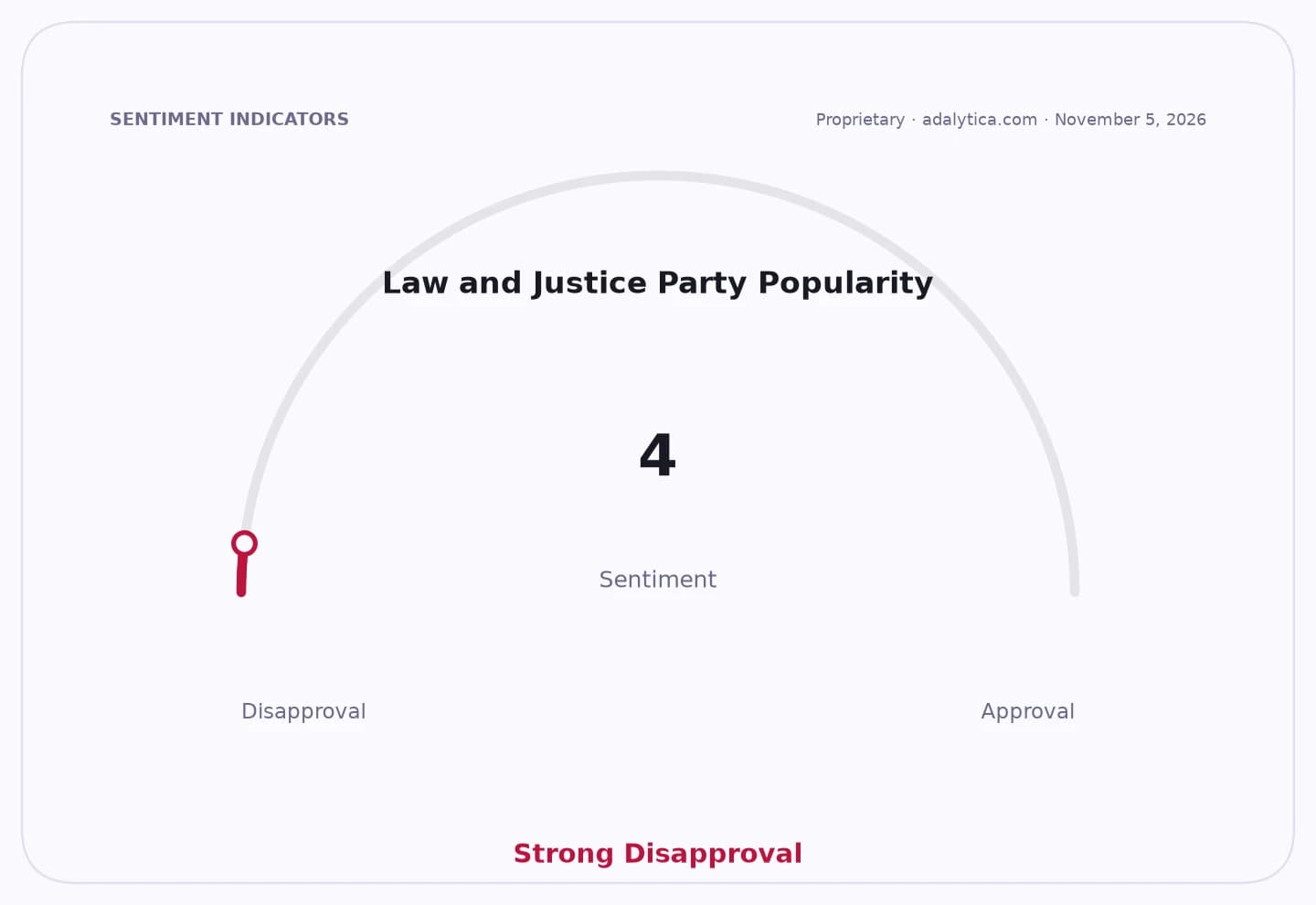
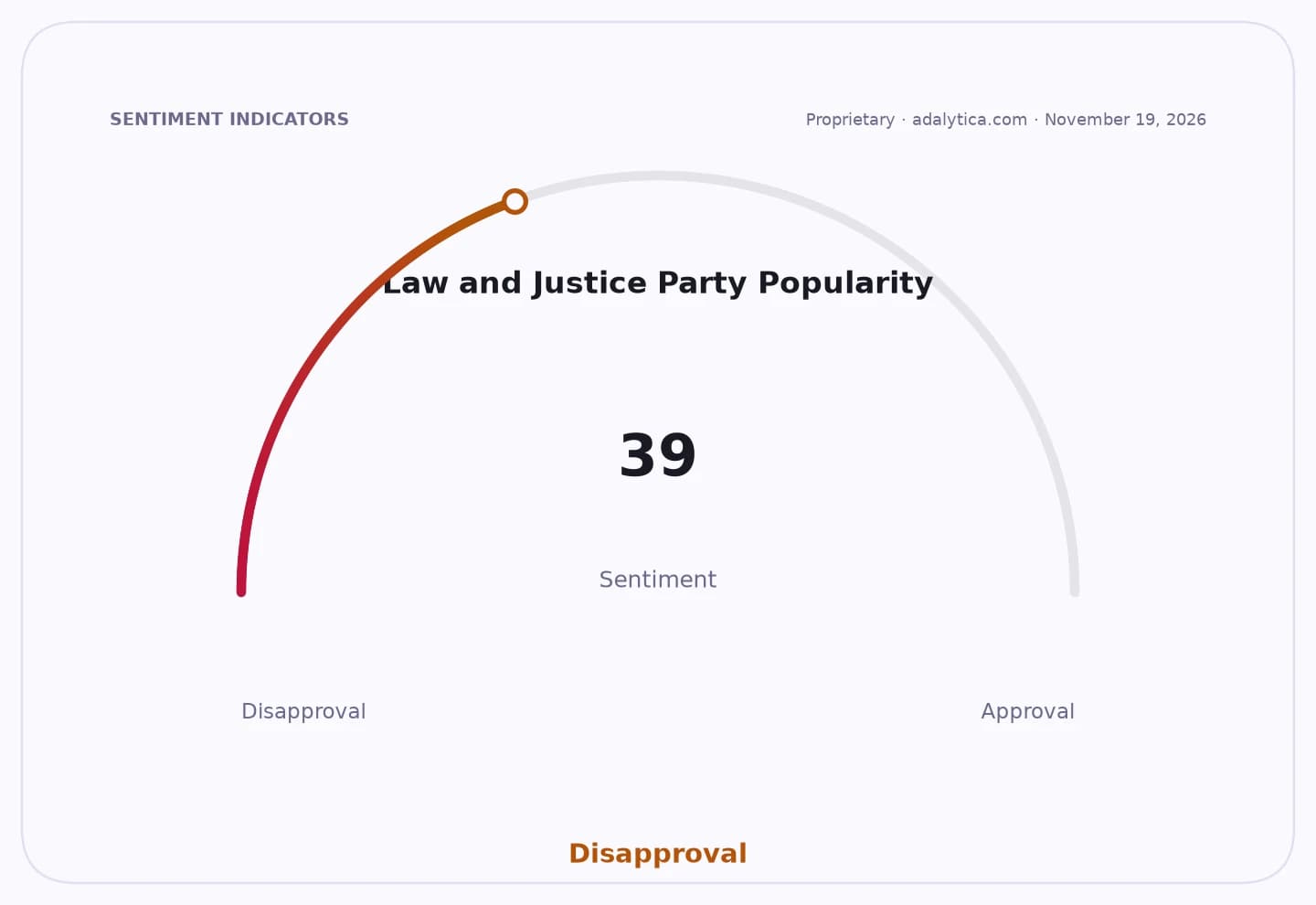
Sentiment Indicators
Under the new system, member states can either take in relocated asylum seekers, make financial contributions or provide operational help. Poland has now been placed in a group of countries deemed to be in a “significant migration situation,” alongside Austria, Bulgaria, Croatia and Czech Republic, giving it the right to ask the Council for a full or partial deduction from its 2027 solidarity contribution.
The Commission also classified Greece, Cyprus, Italy and Spain as countries under migration pressure, which would make them eligible to draw from the EU’s solidarity pool. Belgium, Czech Republic, Germany, Estonia, Ireland, France, Croatia, Latvia, Lithuania, Luxembourg, the Netherlands, Poland, Romania, Slovenia and Finland were listed as vulnerable to migration pressure and will get priority access to EU support tools.
For investors, the immediate market impact is limited, but the decision is relevant for the euro area’s political risk premium and for the broader debate over EU cohesion, border controls and fiscal transfers. Any widening split between frontline states, recipient countries and contributors can feed into sovereign-risk perceptions, especially if migration policy becomes a more prominent issue in domestic politics.
The Commission said irregular border crossings into the EU fell 32% in the latest reporting period from July 1, 2025, to June 30, 2026, while asylum applications also declined. Still, Western Mediterranean crossings rose 13.4%, underscoring that the bloc’s migration challenge remains uneven and that negotiations over who pays, who takes migrants and who provides security support are likely to continue into 2027.
| Entity | Gains | Losses |
|---|---|---|
| Poland | ▲Relief from relocations | ▼EU burden-sharing scrutiny |
| European Commission | ▲Flexibility in pact rollout | ▼Pressure to enforce unity |
| Frontline states | ▲More access to support | ▼Continued migration pressure |
| Migrant relocation system | ▲Maintained political legitimacy | ▼Harder distribution of costs |