Poland and Hungary are using the spread of riot footage from France and other Western European cities to justify an even harder line on immigration, turning public disorder into a political weapon ahead of key elections and fresh clashes with Brussels.
Poland and Hungary Harder Line on Immigration
For investors, the story matters less as a near-term market driver than as a sign that Europe’s migration split is widening again. Harder border policy can reshape labor supply, remittance flows, asylum rules and EU budget fights, while also feeding nationalist politics that complicate policy coordination across the bloc.
Sentiment IndicatorsⓘProprietary · adalytica.com · October 26, 2026
This is a snapshot — live sentiment, awareness and momentum for 130+ markets update continuously in the dashboard.Open AlphaPulse
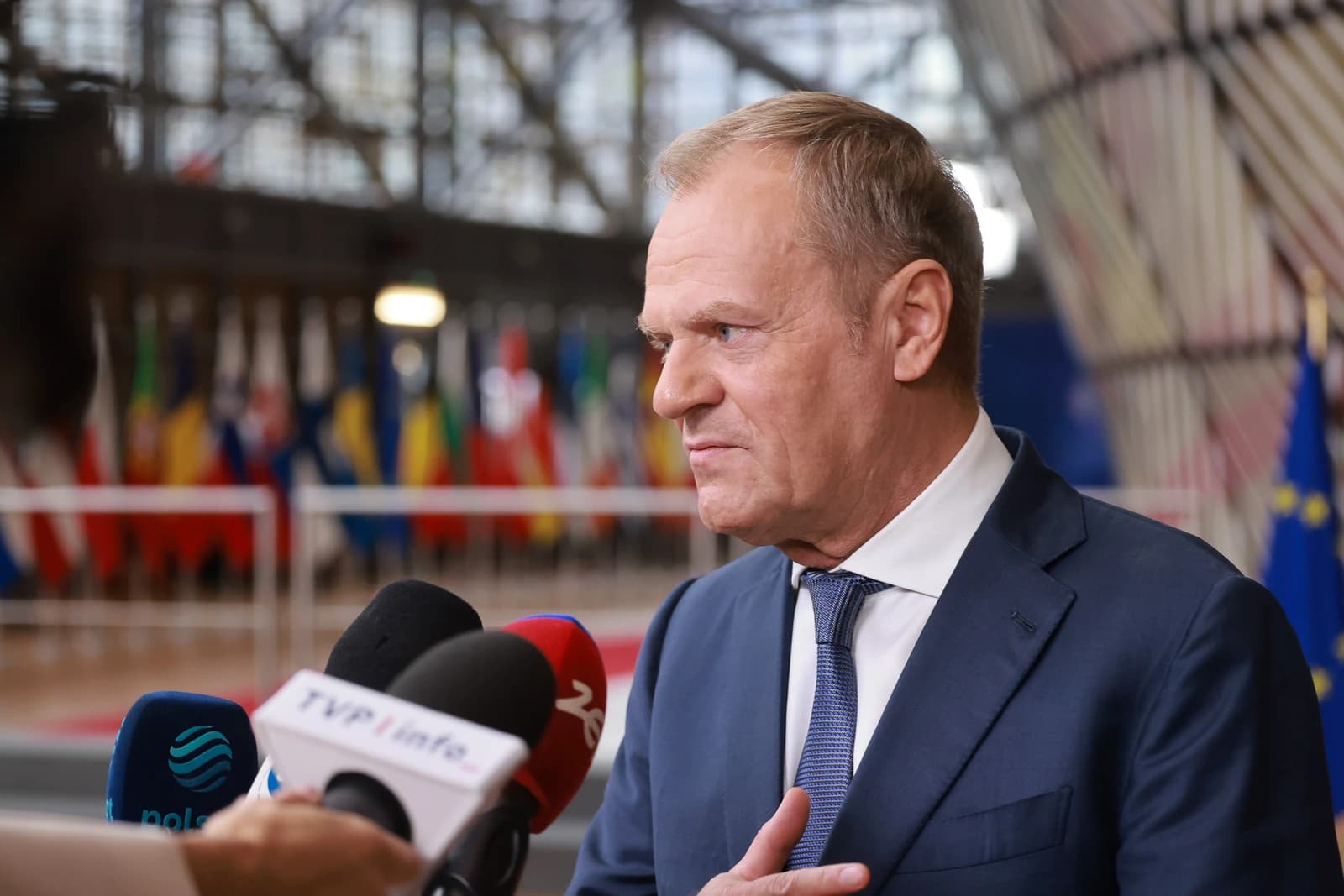
Hungarian Prime Minister Viktor Orbán’s camp has made the clearest case, arguing that the images of burned cars and vandalized historic buildings prove why Budapest will not soften border controls. Polish Prime Minister Donald Tusk has said Warsaw will not repeat “other countries’ mistakes,” vowing to defend the border from illegal migration, reject asylum requests and deport rule-breakers.
The political backdrop is starkly different across Europe. Eurostat data cited in local coverage shows France has about 10 million foreign-born residents and Italy about 7 million, while Poland has roughly 1 million, half of them from Ukraine, and Hungary about 700,000, mostly from other EU countries. Crime data also feed the argument: police-recorded offenses in 2024 were far higher in France and Italy than in Poland and Hungary, reinforcing the message that Eastern Europe is safer because it stayed stricter.
The reaction is not just about migration policy. It is also a domestic political play, with Poland heading toward a 2027 election and both governments looking to rally voters around sovereignty and security as a counterweight to economic pressure and Brussels oversight. Hungary and Poland have already faced EU penalties over refugee redistribution rules, and the renewed crackdown is likely to sharpen that confrontation.
Markets are unlikely to price this as a standalone event, but the broader implications matter for European assets. A more fractured EU raises policy uncertainty, keeps migration a live campaign issue across member states and may sustain support for parties that favor tighter borders, harder fiscal bargaining and more national control.
The next catalyst is political, not financial: more unrest in Western Europe, any fresh EU push on migration quotas, and election messaging in Poland and Hungary will determine whether this hardline turn deepens or simply marks another spike in a long-running divide.
| Entity | Gains | Losses |
|---|---|---|
| Poland and Hungary | ▲Domestic political support | ▼EU relations |
| Anti-immigration parties | ▲Stronger voter appeal | ▼Pro-EU centrists |
| EU institutions | ▲Pressure for reform debate | ▼Policy cohesion |
| Migrants and asylum seekers | ▲— | ▼Stricter entry rules |