Employers can change work schedules, but only within the boundaries of Poland’s Labor Code, a distinction that matters for workers, staffing firms and payroll software providers tracking compliance risk.
Poland labor rules limit schedule changes
Under the rules cited in the labor guidance, employers must give workers on variable schedules at least a week’s notice of the roster, which should cover at least a month and be delivered in paper or electronic form. The law does not spell out exactly how far in advance a published schedule can be changed, but any adjustment still has to respect company rules, rest-period requirements and limits on weekend, holiday and overtime work.
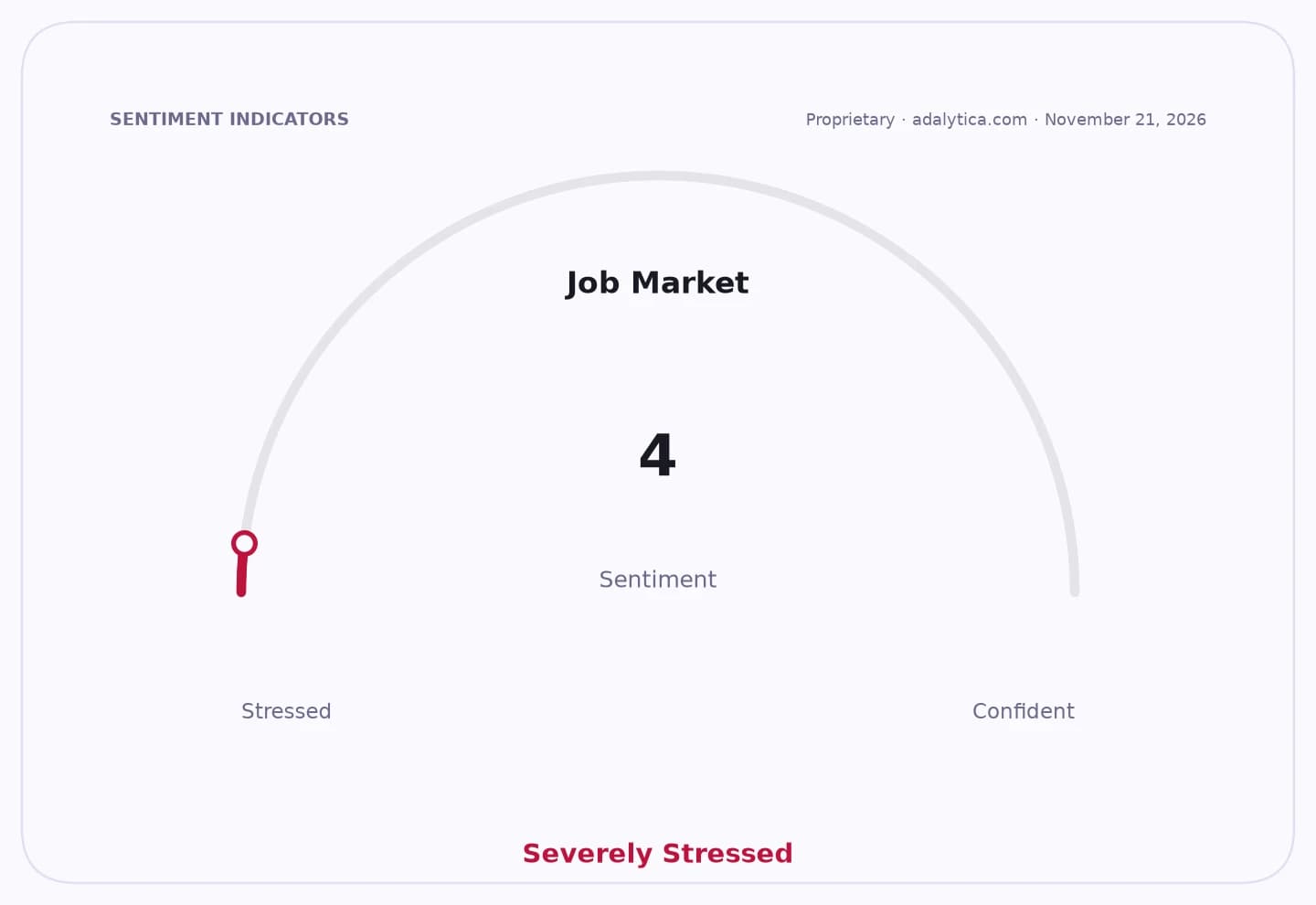
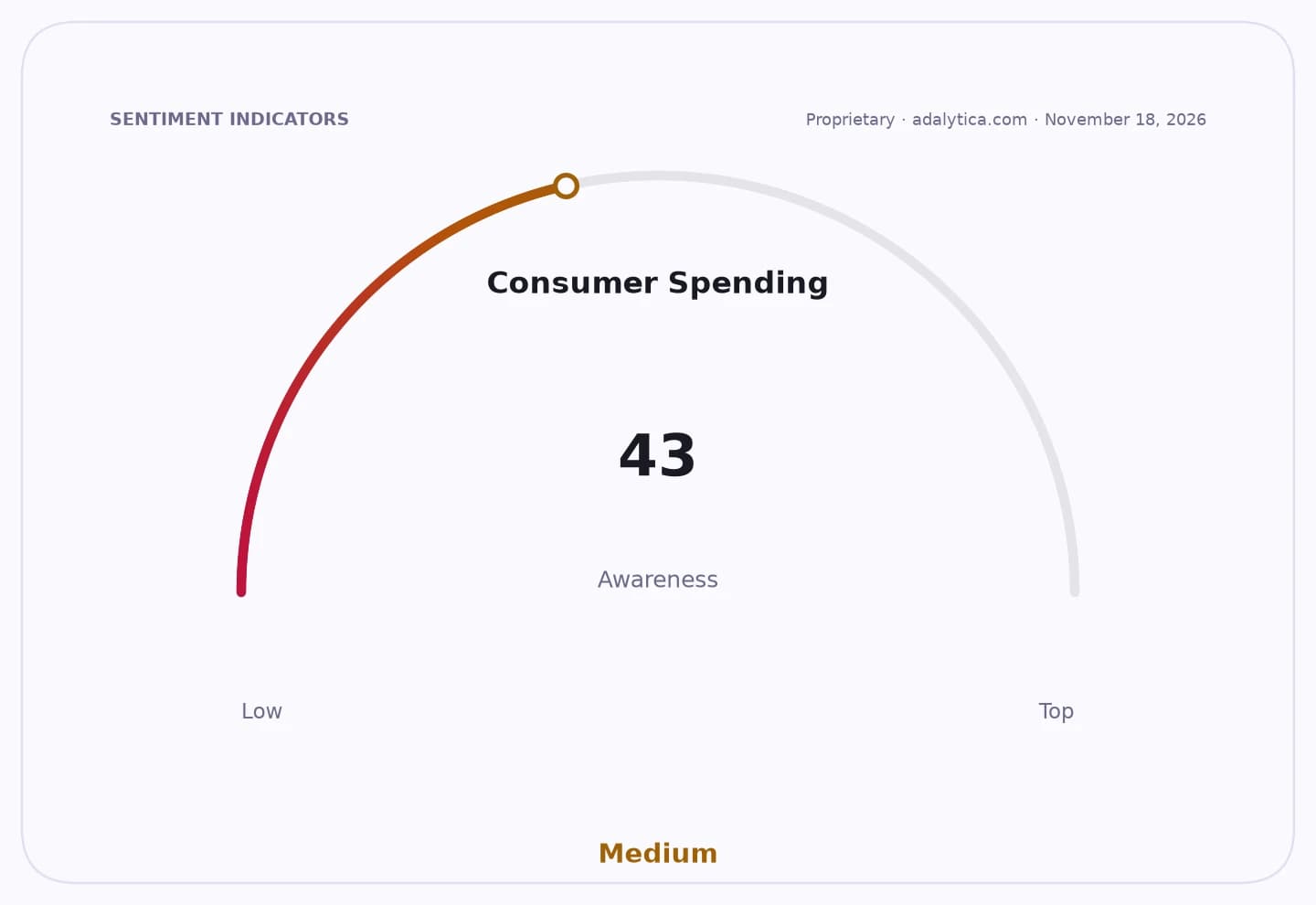
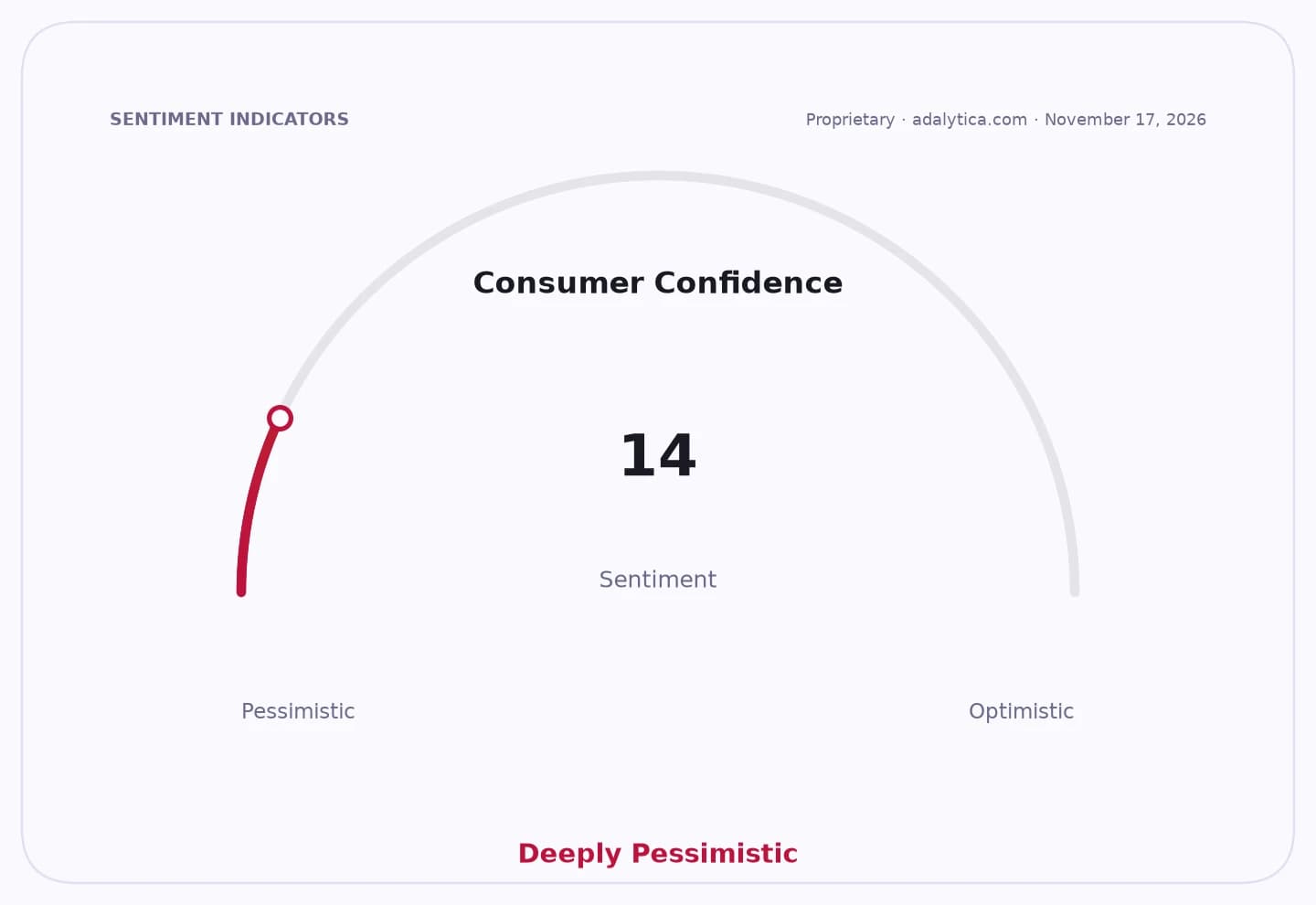
Sentiment Indicators
That makes the issue economically relevant in a labor market already marked by staffing shortages, short-time work and a higher need for flexible scheduling. For employers, the ability to rework shifts quickly can help cover absences or compensate for unexpected disruptions, but it also increases the risk of disputes, inspections and penalties if the changes cut into mandatory rest or are not communicated properly.
For investors, the story points to recurring demand for workforce-management and time-and-attendance systems from names such as Automatic Data Processing, Paychex and TriNet, which all sell products tied to payroll accuracy, scheduling and compliance. Those platforms become more valuable when labor rules are complex and employers need to document hours, rest periods and schedule changes.
The guidance also underscores that workers cannot simply ignore a lawfully changed roster if they were properly informed. If a change is unlawful, the remedy is to ask the employer for clarification or seek help from the State Labor Inspectorate, not to unilaterally skip the shift.
The broader takeaway is that scheduling flexibility remains possible, but only inside a narrow legal framework. That keeps compliance a live issue for employers and a steady operating need for payroll and HR software vendors as labor regulation tightens across the market.
| Entity | Gains | Losses |
|---|---|---|
| Workers | ▲More notice rights | ▼Less schedule certainty |
| Employers | ▲Flexibility to cover absences | ▼Compliance and dispute risk |
| ADP, Paychex, TriNet | ▲Higher demand for compliance tools | ▼Fines if customers err |
| State Labor Inspectorate | ▲More oversight leverage | ▼More complaints to handle |