Kanpur’s fast-growing gig economy is emerging as a real labor-market alternative for thousands of young workers, but the model is still delivering income, not long-term security. For a city where traditional jobs remain limited, the shift toward app-based delivery and ride-hailing work is changing how people earn, how businesses source labor and how investors should think about India’s next wave of urban consumption.
Kanpur gig economy grows as jobs remain scarce
Consumer Confidence
The clearest change is not just the rise of bike-based delivery riders on Kanpur’s roads, but the way digital platforms are absorbing labor that might otherwise sit idle. Rapido, Zomato and Swiggy are now part of the city’s employment fabric, offering flexible hours and quick cash flow in place of the old nine-to-five structure. That matters economically because gig work is functioning as an informal safety valve in a market with few stable openings, especially for young men supporting households.
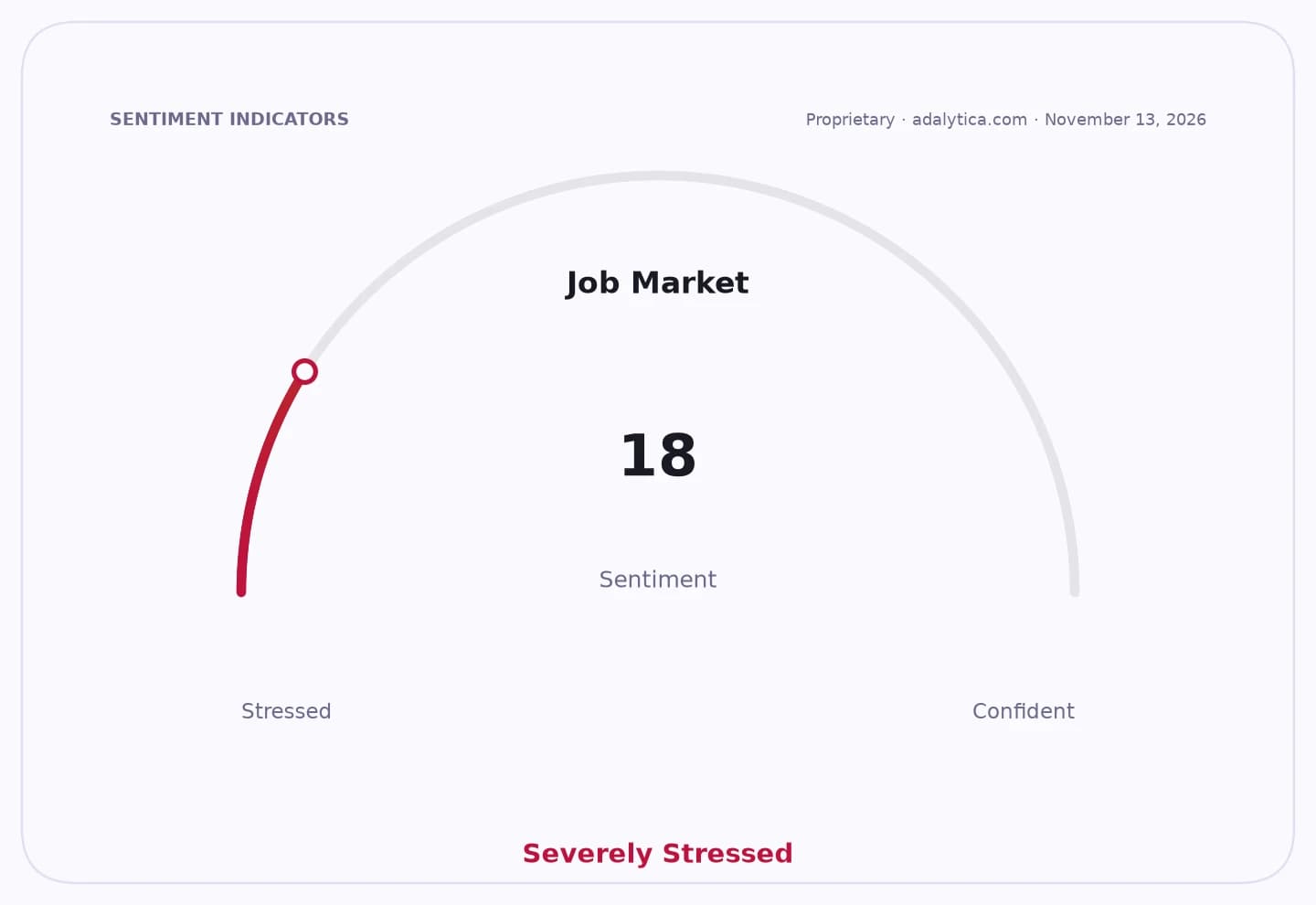
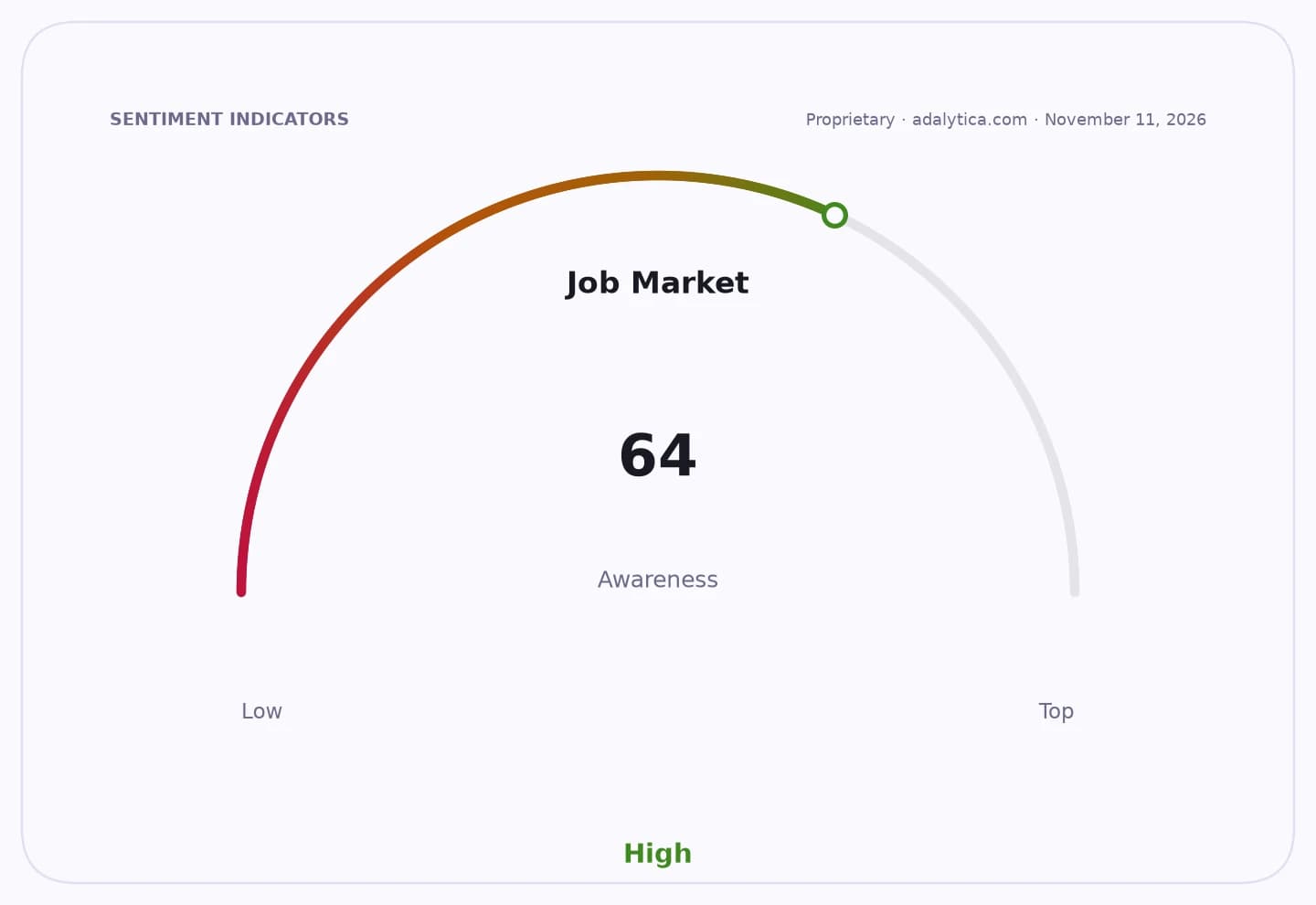
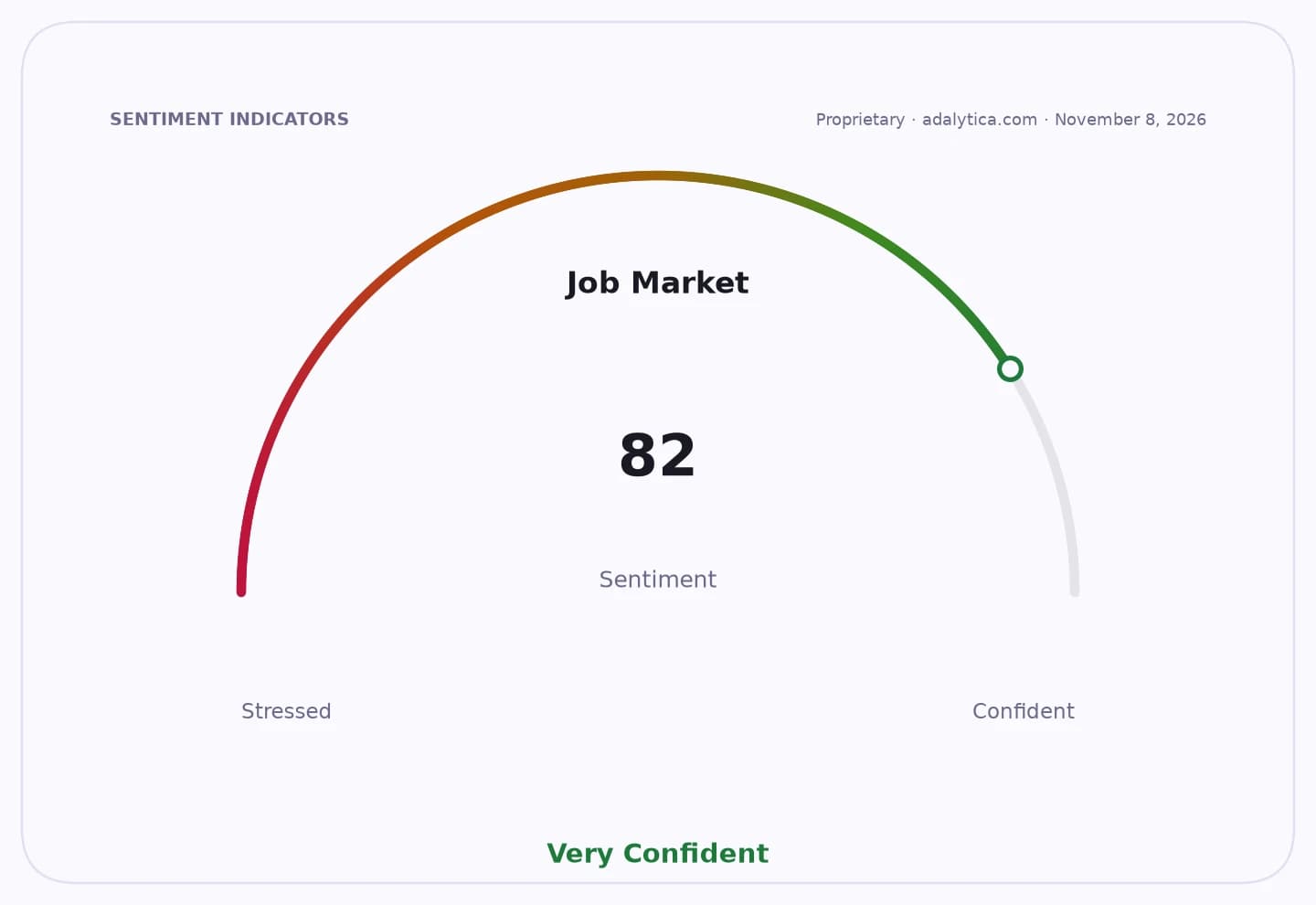
Sentiment Indicators
Workers say the appeal is the lack of fixed shifts and office-bound discipline. A delivery agent cited in the report said 10 hours on the road can bring in about 500 rupees a day, while some platforms also offer health cover of up to 10 lakh rupees and small annual medicine allowances. But the headline number points to the core weakness of the model: gross earnings remain thin once fuel, maintenance, travel distance and incentive volatility are accounted for. In other words, the platforms are providing access to work, not necessarily durable prosperity.
That distinction matters for investors because India’s gig economy is increasingly tied to urban demand, last-mile logistics and food delivery volumes rather than traditional payroll growth. If the model scales, it can expand addressable markets for consumer apps, delivery networks and two-wheeler services. If worker economics remain strained, churn rises, service quality becomes harder to maintain and platforms face pressure to improve incentives, coverage and social protections. The long-run risk is that labor flexibility becomes a margin support for platforms only if workers continue to accept low effective wages.
Job Market vs UBERadalytica.com
Explore this data interactively — full history, time series and cross-market comparisons.
The broader macro backdrop reinforces the shift. The unemployment rate in the data has fallen to around 4.1%-4.2%, but that still leaves a large pool of underemployed workers for whom gig work is a practical fallback. At the same time, consumer confidence is weak, underscoring why households may welcome any income stream at all. The rise of platform labor in Kanpur is therefore less a sign of a booming jobs market than of a labor market adapting to scarcity by trading security for flexibility.
For companies such as Zomato and Swiggy, the trend supports order fulfillment and market penetration in smaller cities. For workers, the trade-off is clear: autonomy and immediate earnings versus limited protection and uneven income. For policymakers, the question is whether this new employment model should remain an unregulated stopgap or be strengthened through clearer benefits, better pay standards and more predictable coverage.
The next test for Kanpur’s gig economy will be whether it can move beyond survival income into a genuinely sustainable employment channel. If earnings rise and protections broaden, the model could become a durable part of the city’s labor market. If not, it may remain a necessary but fragile substitute for formal jobs.
| Entity | Gains | Losses |
|---|---|---|
| Delivery workers | ▲Flexible income | ▼Job security |
| Rapido, Zomato, Swiggy | ▲Labor supply | ▼Wage pressure |
| Kanpur households | ▲Immediate cash flow | ▼Predictable earnings |
| Traditional formal jobs | ▲— | ▼Market share in hiring |