Ukrainian workers in Poland are pushing back against rising anti-immigrant sentiment, arguing they have become a core part of the economy at a time when tensions between Warsaw and Kyiv are straining the broader relationship.
Poland’s Ukrainian Workers Support GDP Growth
Their case is increasingly backed by the numbers. A Deloitte report commissioned by UNHCR found refugees from Ukraine contributed 2.7% of Poland’s GDP in 2024, while a separate report published in May said foreigners living and working in Poland lifted GDP from 200 billion złoty to 416 billion złoty in 2025, or from 5.1% to 10.7%.
That matters because Poland’s labor market has absorbed a large share of Ukrainian migrants since Russia’s full-scale invasion, with roughly 70% of Ukrainian refugees in the country working. About 1.5 million Ukrainians are estimated to be in Poland on legal residence permits, and the broader foreign population is put at 2 million to 2.5 million.
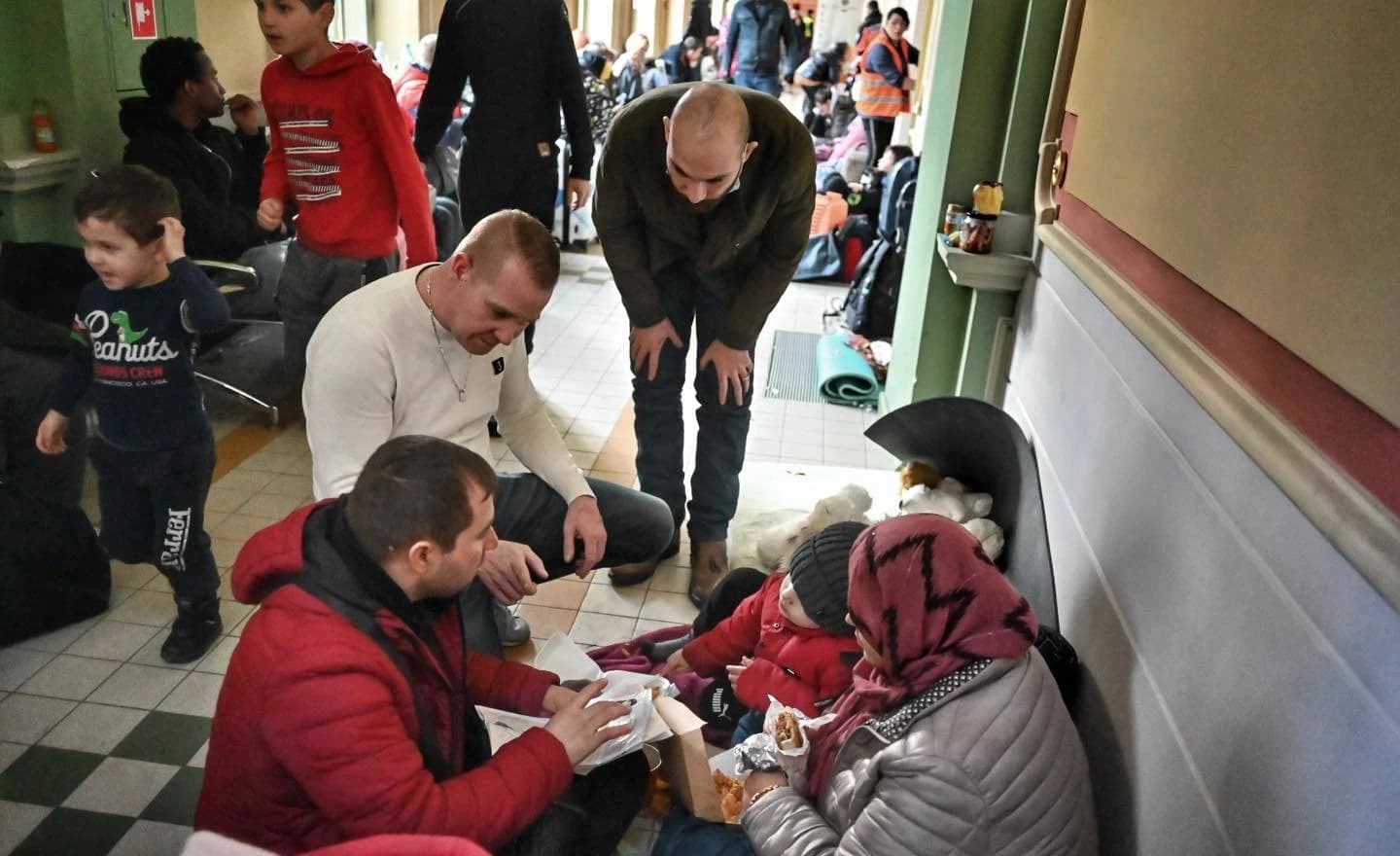
The stories from Ukrainians living in Poland underline the economic reality behind the political debate. Tetiana, who arrived in March 2022, works as a kitchen assistant in the Pieniny mountains and is studying to become a mountain guide. Others have moved into more skilled jobs, including data analysis, hairdressing and wholesale trade, and several say they intend to stay in Poland for good.
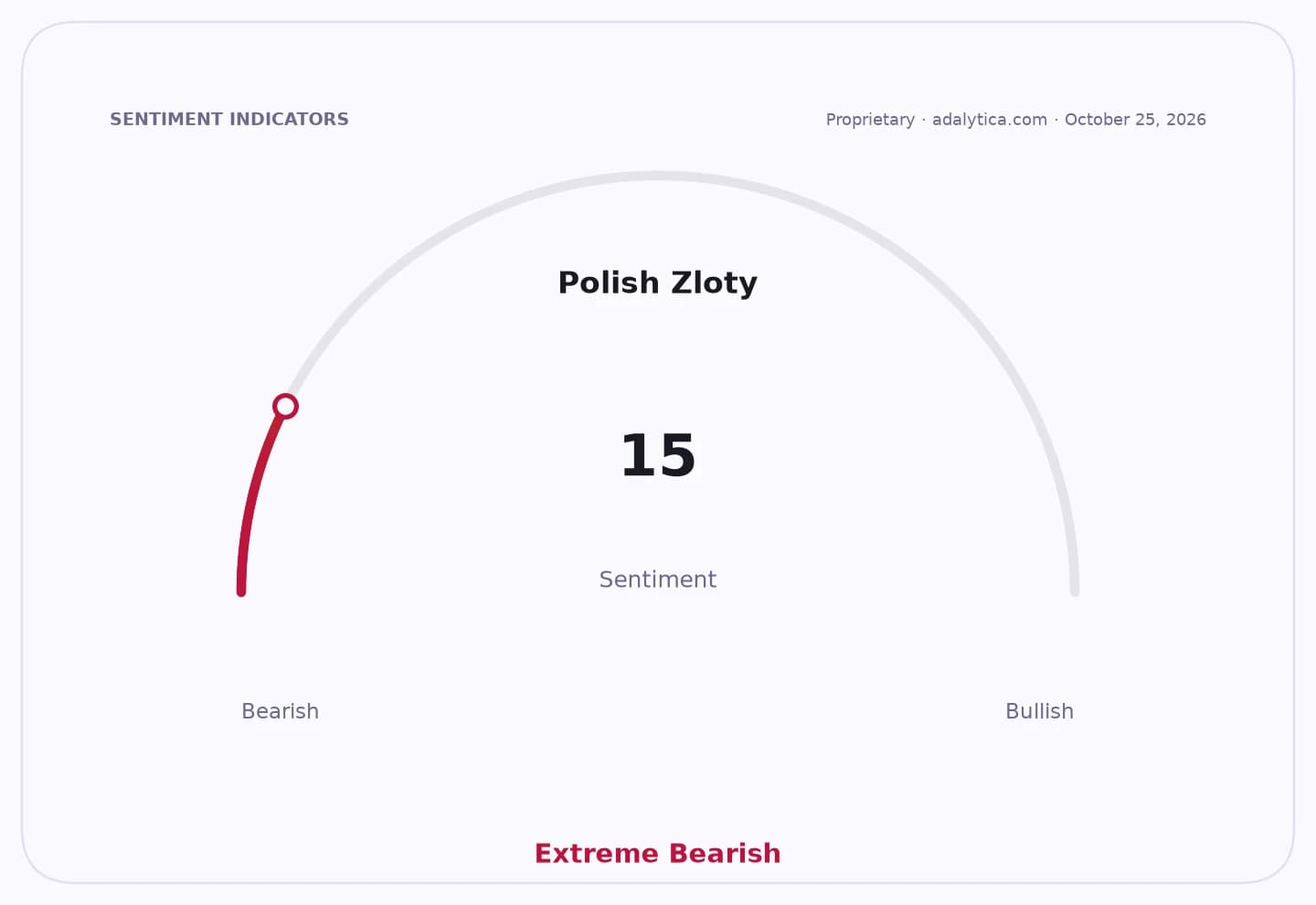
For investors, the issue goes beyond migration politics. A large, employed foreign workforce helps fill labor shortages, supports consumption and services, and cushions growth in an economy that would otherwise face tighter capacity constraints. If anti-Ukrainian rhetoric weakens integration or discourages labor mobility, the hit would be felt in sectors from hospitality to transport and manufacturing.
At the same time, the data show how politically sensitive the migration debate has become. Several Ukrainians interviewed said they do not feel they have received special treatment in Poland, even as online hostility has increased and public support appears to be softening.
The next test will be whether the labor contribution of Ukrainians continues to outweigh the political backlash, especially as Warsaw and Kyiv face fresh strains over security and historical disputes. A deterioration in relations could complicate both migration policy and the flow of workers that has become embedded in Poland’s growth model.
| Entity | Gains | Losses |
|---|---|---|
| Polish employers | ▲Larger labor pool | ▼Higher political friction |
| Ukrainian workers | ▲Jobs and integration | ▼Rising backlash |
| Polish economy | ▲Higher GDP and output | ▼Risk from labor disruption |
| Anti-immigration voices | ▲Political traction | ▼Economic growth narrative |