Poland’s best-paid jobs are concentrating in mining and data-heavy tech work, a sign the country’s labor market is still tight enough to reward scarce skills and punish labor-rich sectors.
Poland Wage Leaders Concentrate in Mining and Tech
That matters because wage leadership in a major nearby economy is pulling workers, capital and demand across Central Europe. For Ukrainians weighing work abroad, the gap is stark: in Poland’s computer infrastructure, data processing, hosting and web administration businesses, average pay has reached 18,940 zlotys, or more than 223,000 hryvnias, while the median is 14,745 zlotys, above 173,000 hryvnias. In coal extraction, half of workers earn at least 16,897 zlotys, just under 200,000 hryvnias, underscoring how resource-intensive industries and digitally specialized roles command the highest premiums.
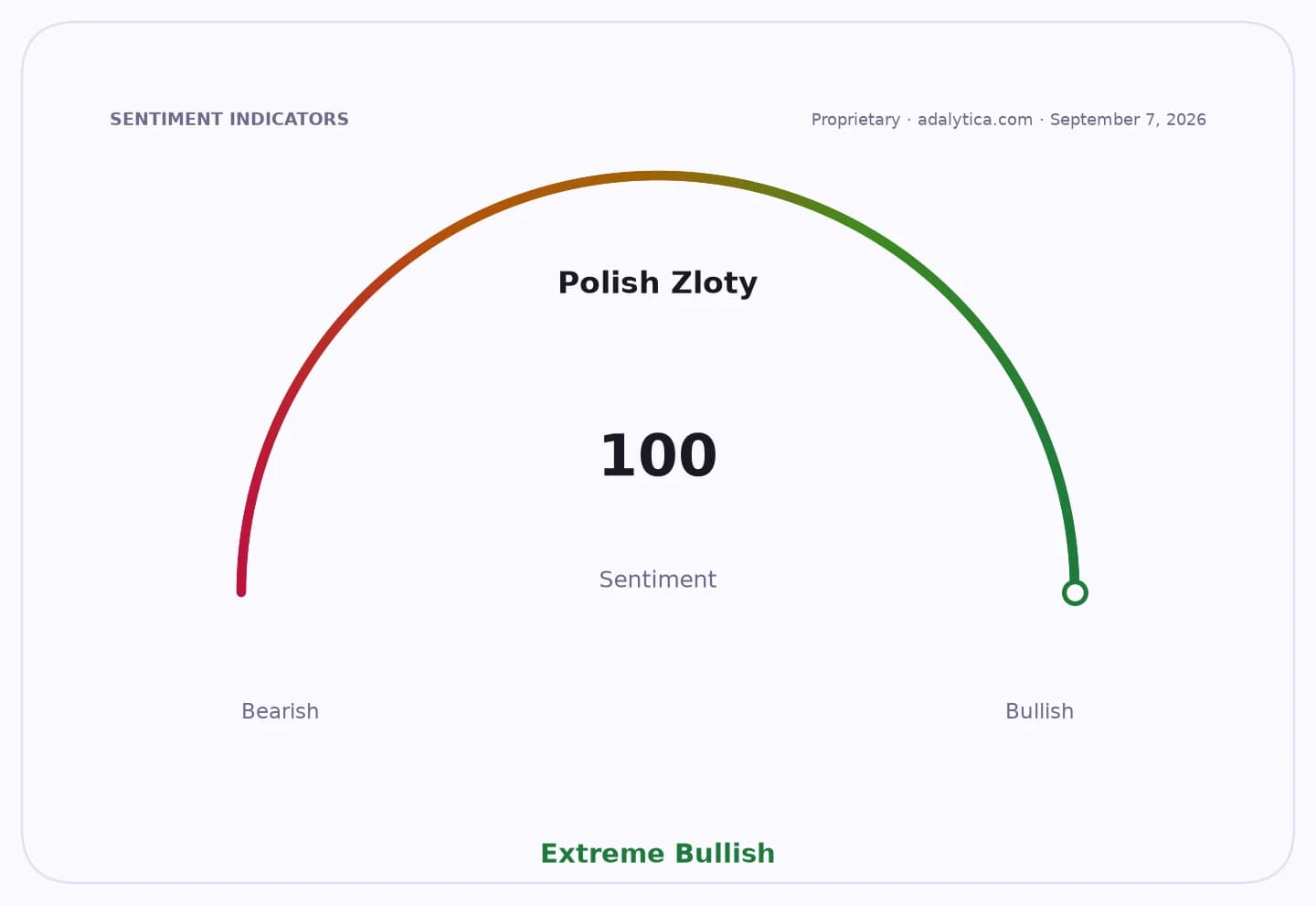
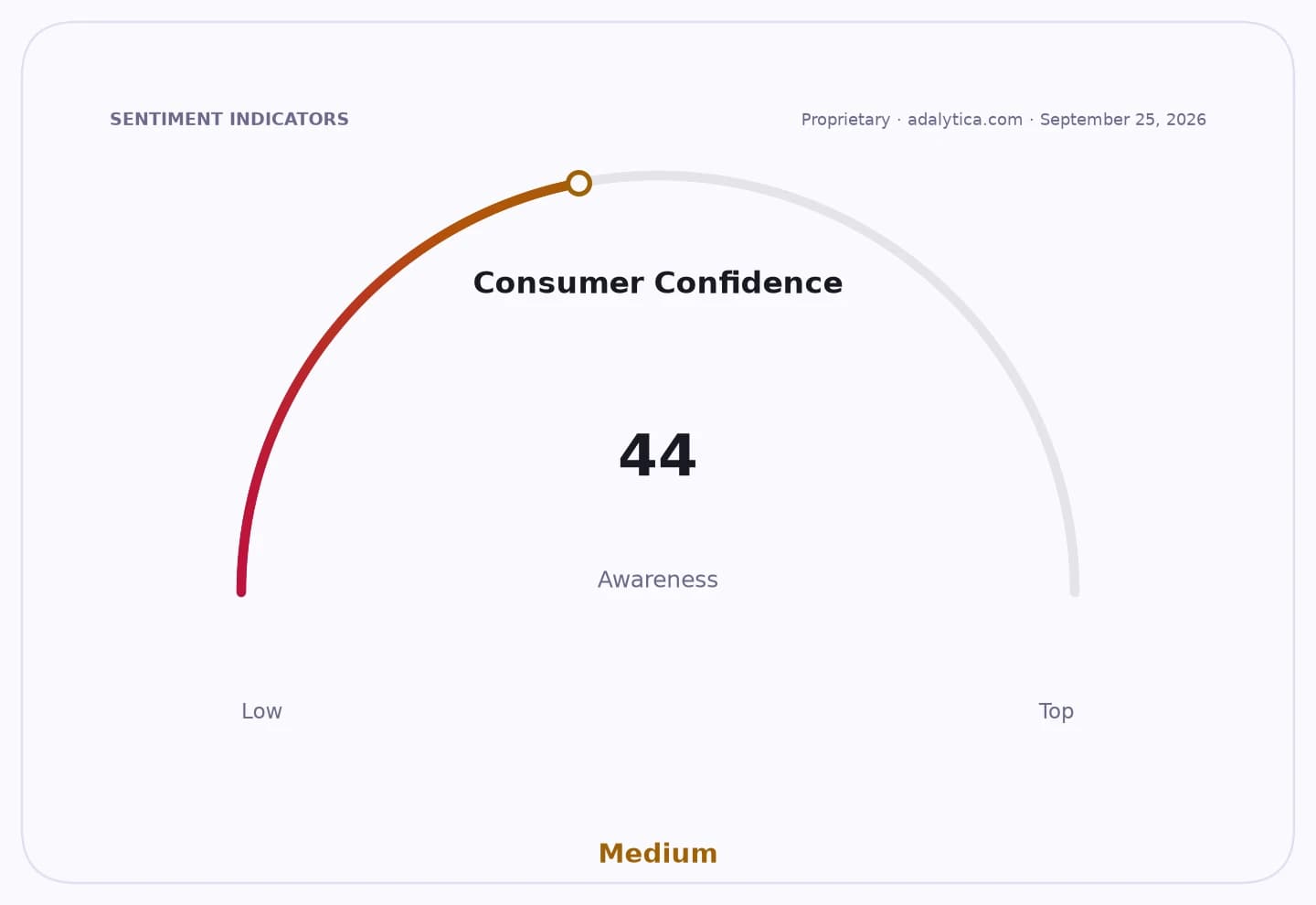
Sentiment IndicatorsⓘProprietary · adalytica.com · September 6, 2026
This is a snapshot — live sentiment, awareness and momentum for 130+ markets update continuously in the dashboard.Open AlphaPulse
The broader economic story is not simply that wages are rising. It is that employers in scarce-skill sectors are being forced to bid aggressively for labor while low-barrier industries such as security and detective services remain stuck at the bottom. That is classic late-cycle labor-market behavior: pay accelerates where the supply of qualified workers is limited, and lags where the candidate pool is deep. For Poland, that keeps consumer spending supported, but also raises the cost base for companies that need technicians, data specialists and industrial workers.
The investable implication is clear. The market often focuses on headline wage inflation as a margin headwind, but the real opportunity sits in the companies and assets that sit on the other side of the squeeze. AI infrastructure, data centers, hosting, cloud services, industrial automation and energy-intensive operators all benefit when labor is scarce and expensive. Poland’s wage map is a reminder that the next leg of growth in Central Europe will favor capital-intensive businesses over labor-intensive ones.
There is also a geopolitical angle. Poland continues to attract workers because it offers better pay and stronger job security than much of the region, and that helps explain the recent return migration from Germany. But demographics are still working against the country over the long run, with economists warning of a labor shortage by 2035. That means wage pressure is unlikely to fade quickly, even if hiring conditions improve later this year as analysts expect.
For investors, the takeaway is to look past the obvious consumer-staples trade and toward the toll roads of the new economy: data infrastructure, power supply, automation and select industrial names that can pass through labor costs. In a Europe where skilled labor is becoming scarcer, the businesses that replace workers with compute, software and capital are the ones most likely to compound.
| Entity | Gains | Losses |
|---|---|---|
| Data infrastructure firms | ▲Higher demand for compute | ▼Wage inflation in staffing |
| Mining companies | ▲Scarce-skill labor premium | ▼Higher payroll costs |
| Labor-rich sectors | ▲Limited upside for wages | ▼Weak bargaining power |
| Workers with tech skills | ▲Premium pay | ▼Entry-level job oversupply |