Cheap homes sold by court bailiffs in Poland’s West Pomeranian region are drawing attention as distressed property sales offer buyers discounts of up to 50% from estimated value on a second auction, a reminder that the market’s weakest links are increasingly setting the price for risk.
Poland West Pomerania Bailiff Home Auctions

The appeal is simple: in a first auction, the opening bid is set at 75% of appraised value, and if no buyer steps in, the second round can begin at 66.6% for real estate, while movable assets can fall to 50%. That creates the possibility of buying below market levels, but only for cash-rich bidders willing to absorb legal complexity, renovation risk and the uncertainty of not being able to fully inspect a property before purchase.
Sentiment IndicatorsⓘProprietary · adalytica.com · September 9, 2026
This is a snapshot — live sentiment, awareness and momentum for 130+ markets update continuously in the dashboard.Open AlphaPulse
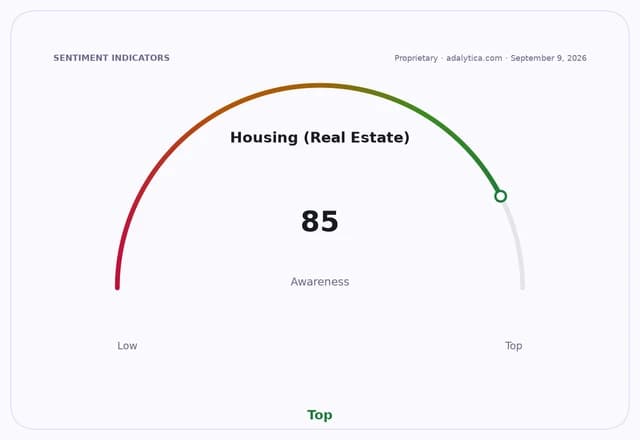
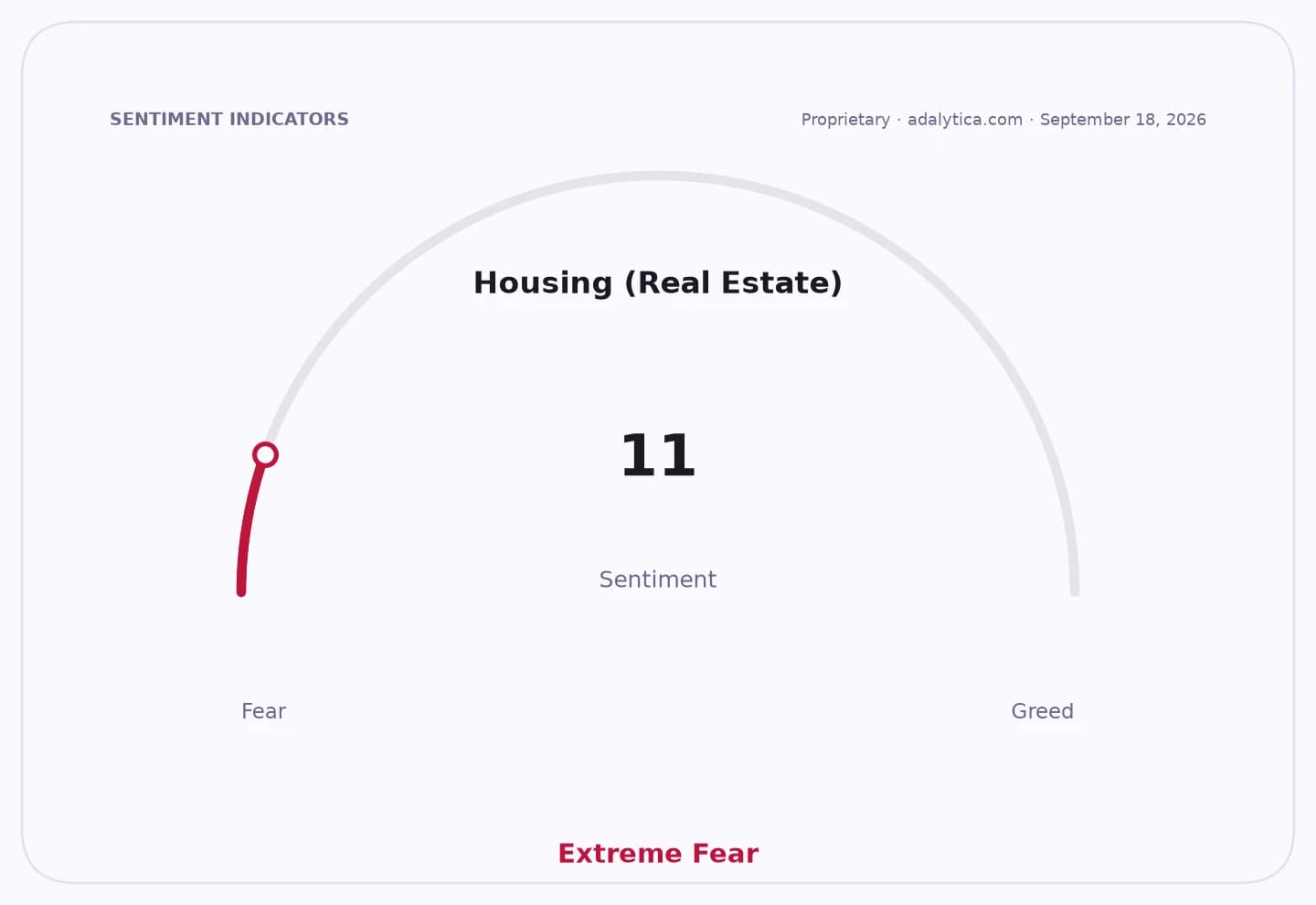
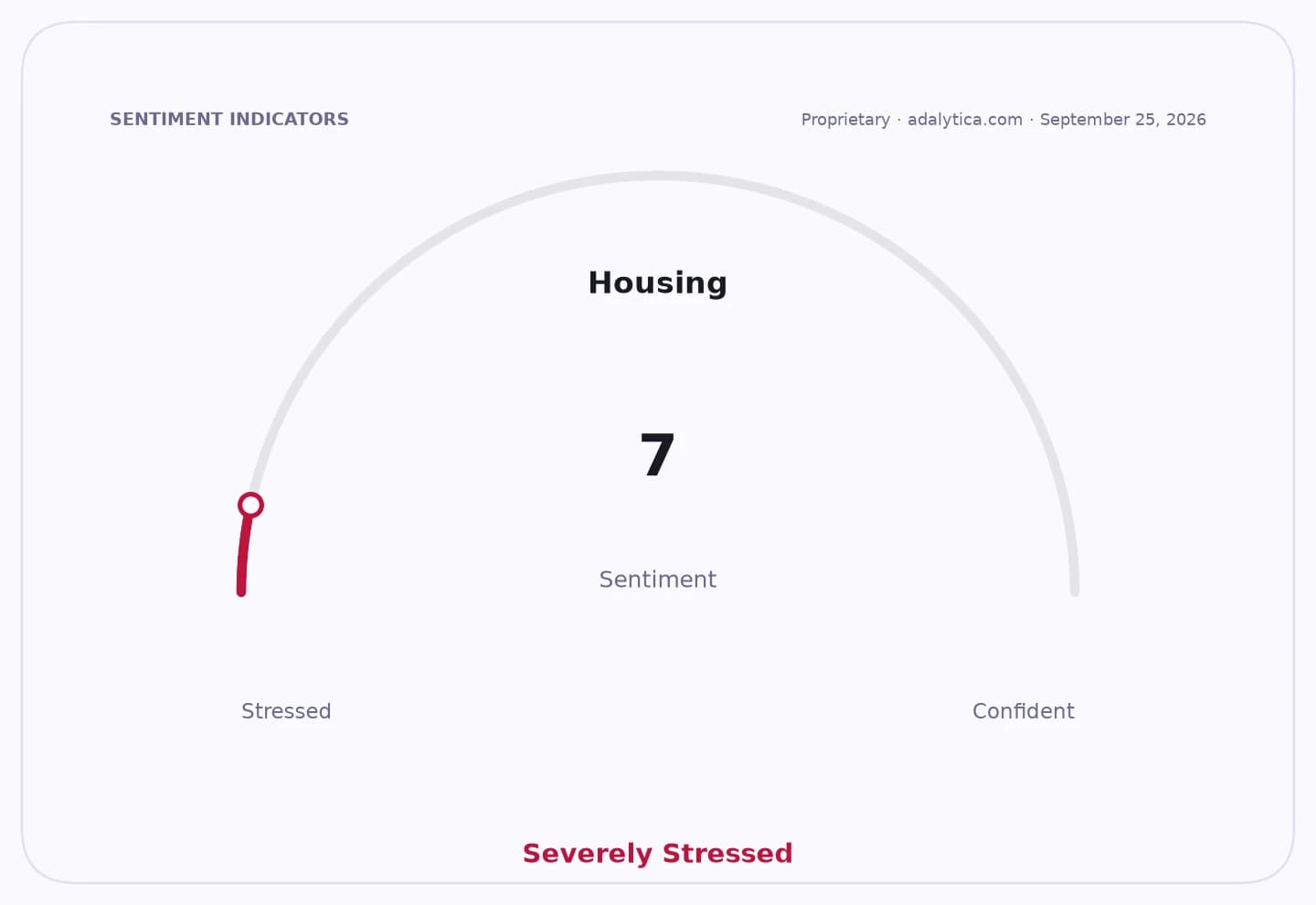
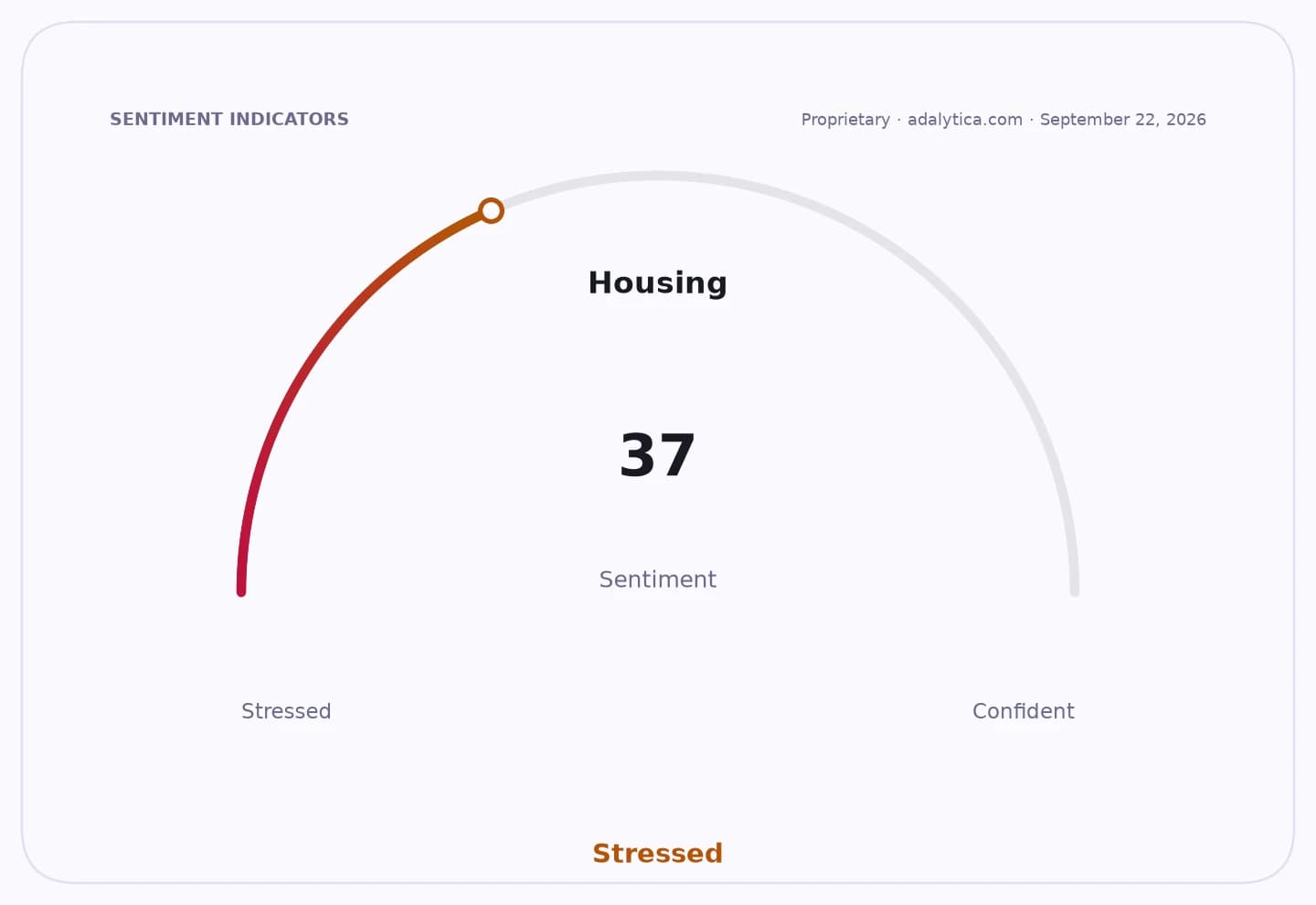
For investors, the more important point is what these auctions say about financial stress beneath Poland’s broader housing market. Bailiff sales are typically a late-stage enforcement tool, triggered by unpaid loans, tax arrears, alimony or other debts. When they become more visible, they point to a growing pool of forced sellers and a market in which distressed assets can clear at steep discounts even as headline home prices elsewhere remain firmer.
The economics are straightforward. Court auctions convert illiquid, encumbered assets into recoverable cash for creditors, but they do so by forcing price discovery at the point of distress. That can pull down realized values relative to private-market transactions and expose how much of a property’s worth depends on financing access, occupancy status and clean title rather than location alone. For local markets, more distressed listings can also weigh on comparable valuations, especially in secondary towns where demand is thinner and buyers are more price-sensitive.
The opportunity set is real, but so are the drawbacks. Buyers must assess legal status carefully, since the auctioned home may come with claims, occupiers or hidden repair costs. The lack of a full interior inspection can turn a bargain into an expensive project, which is why the bidder pool tends to favor experienced investors, landlords, flippers and end-buyers with immediate liquidity rather than highly leveraged households.
The broader narrative is that forced-sale inventory is becoming part of the housing market’s price-setting mechanism. In a slower or more financially strained environment, bailiff auctions can offer a read-through on local distress even when official transaction data lags. For investors, that makes West Pomeranian auctions relevant not just as a source of discounted property, but as a barometer of credit stress, household resilience and the durability of housing valuations.
If forced-sale volumes keep rising, the beneficiaries will be cash buyers and opportunistic investors. Losers include indebted owners, lenders trying to maximize recovery, and nearby sellers whose pricing power can be eroded by discounted auction comparables.
| Entity | Gains | Losses |
|---|---|---|
| Cash buyers | ▲Deep discounts | ▼Legal and repair risk |
| Lenders and creditors | ▲Faster recovery | ▼Lower sale proceeds |
| Distressed sellers | ▲None | ▼Forced liquidation |
| Nearby homeowners | ▲Price transparency | ▼Weaker comparable values |