Household deposits in Portugal fell 2.6 billion euros in August even as they still rose 3.7% from a year earlier, underscoring how higher borrowing costs and seasonal flows are reshaping bank balances just as mortgage credit keeps accelerating.
Portugal Deposits Fall in August as Loans Grow

The Bank of Portugal said resident individuals held 204.2 billion euros in deposits at the end of August, down from July mainly because sight deposits dropped 2.252 billion euros and term deposits slipped 347 million euros. The annual pace cooled from 4.5% in July, with the central bank blaming a seasonal effect that was more pronounced this year.
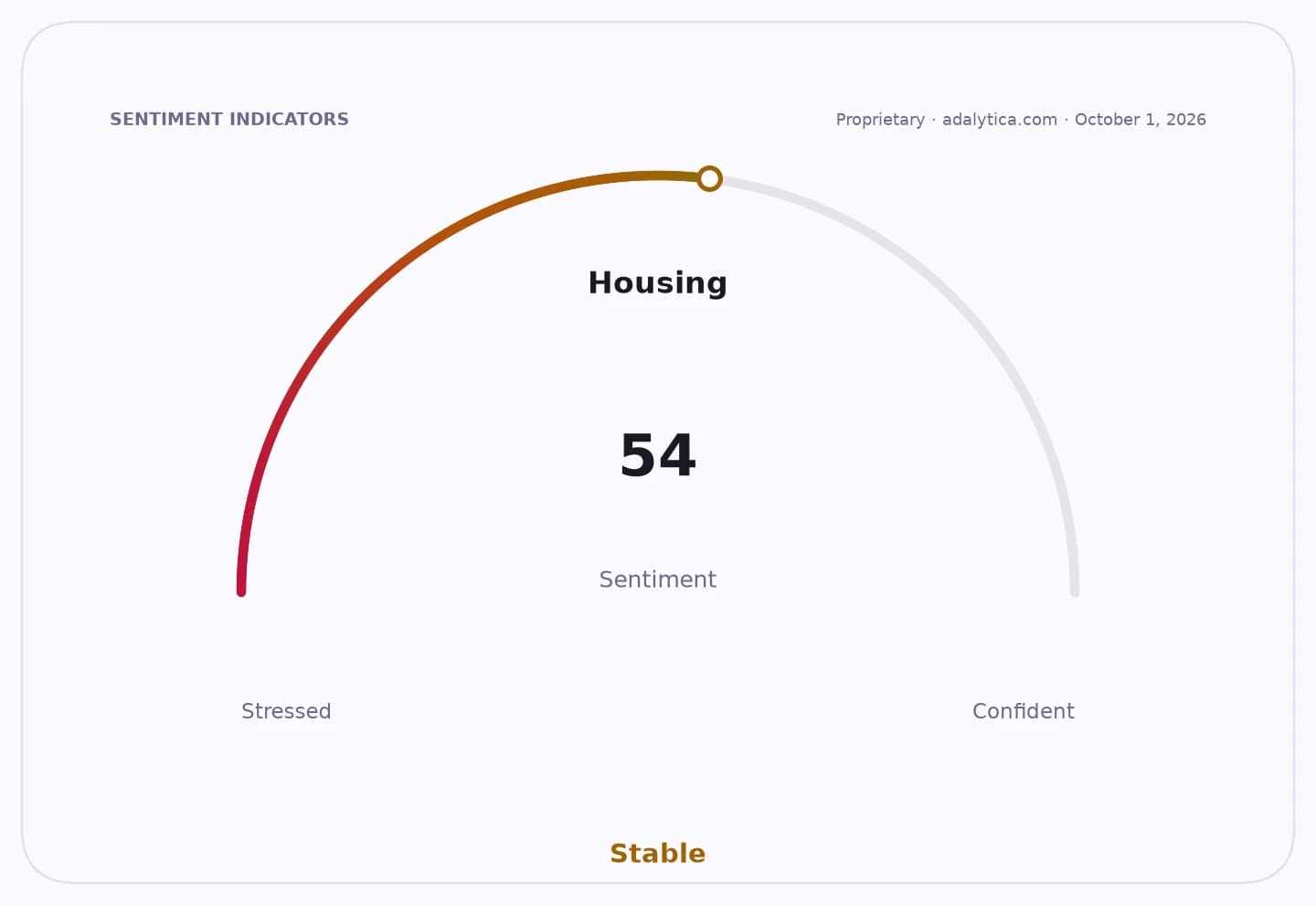
Sentiment IndicatorsⓘProprietary · adalytica.com · October 1, 2026
This is a snapshot — live sentiment, awareness and momentum for 130+ markets update continuously in the dashboard.Open AlphaPulse
The pullback matters because deposits are a key source of cheap bank funding and a gauge of household liquidity. Even with the monthly drop, the stock of household savings remains well above year-ago levels, suggesting consumers are not yet being forced into a broad drawdown of cash buffers.
The move also highlights a split between households and companies. Corporate deposits rose 2.863 billion euros in August to 81.4 billion euros, extending a 11.5% year-on-year increase and pointing to stronger cash generation or a more cautious stance on spending and investment.
For investors, the data come alongside a bank lending backdrop that is getting tighter for borrowers. Household loans climbed 10.8% year on year in August, driven by housing credit growth of 11.2%, the fastest since February 2003, while mortgage rates reached 4.66% and general consumer loan rates moved above 6%.
That combination — slower household deposit growth, stronger business cash holdings and rising credit costs — sets up a more complicated outlook for Portuguese banks, which benefit from loan growth but face pressure from savers demanding better returns. The next read on deposits and credit will be watched for signs that higher rates are starting to bite more visibly into household balance sheets.
| Entity | Gains | Losses |
|---|---|---|
| Portuguese banks | ▲stronger loan growth | ▼pressure on deposit funding costs |
| Households | ▲still-above-year-ago savings | ▼lower monthly cash balances |
| Companies | ▲higher cash holdings | ▼less immediate liquidity need |
| Borrowers | ▲access to rising credit | ▼higher mortgage and loan rates |