Portugal’s inflation cooled to 2.1% in February, a step down that strengthens the case for the European Central Bank to keep easing policy later this year and gives households a little more breathing room after two years of elevated prices.
Portugal Inflation Slows to 2.1% in February

The slower pace of price growth matters because Portugal is moving closer to the ECB’s 2% goal just as the euro zone’s disinflation story becomes more entrenched. The Portuguese statistical office said the consumer price index rose 2.1% from a year earlier, down 0.2 percentage point from January, while the core inflation gauge — excluding food and energy — slowed to 2.2% from 2.4%.
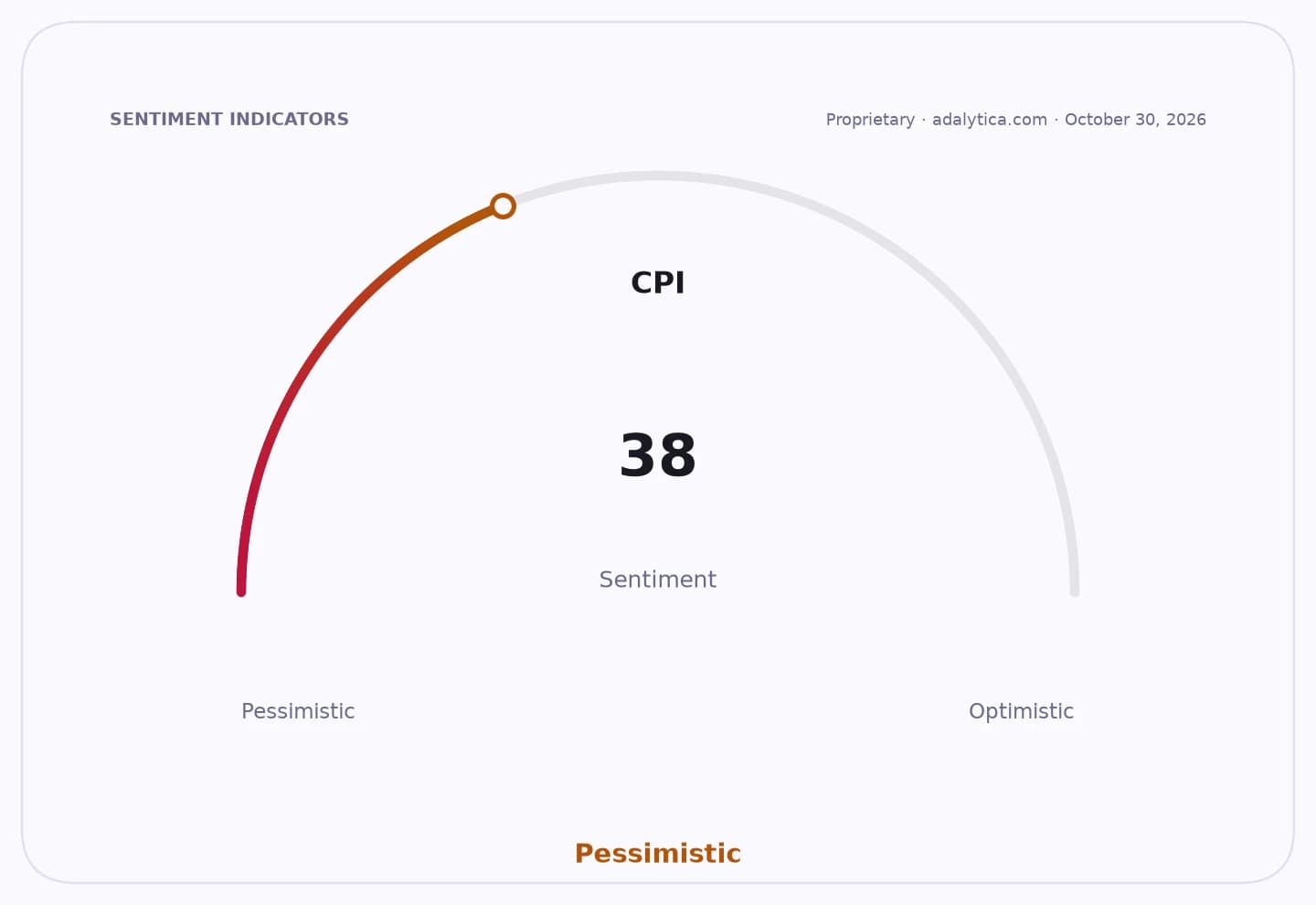
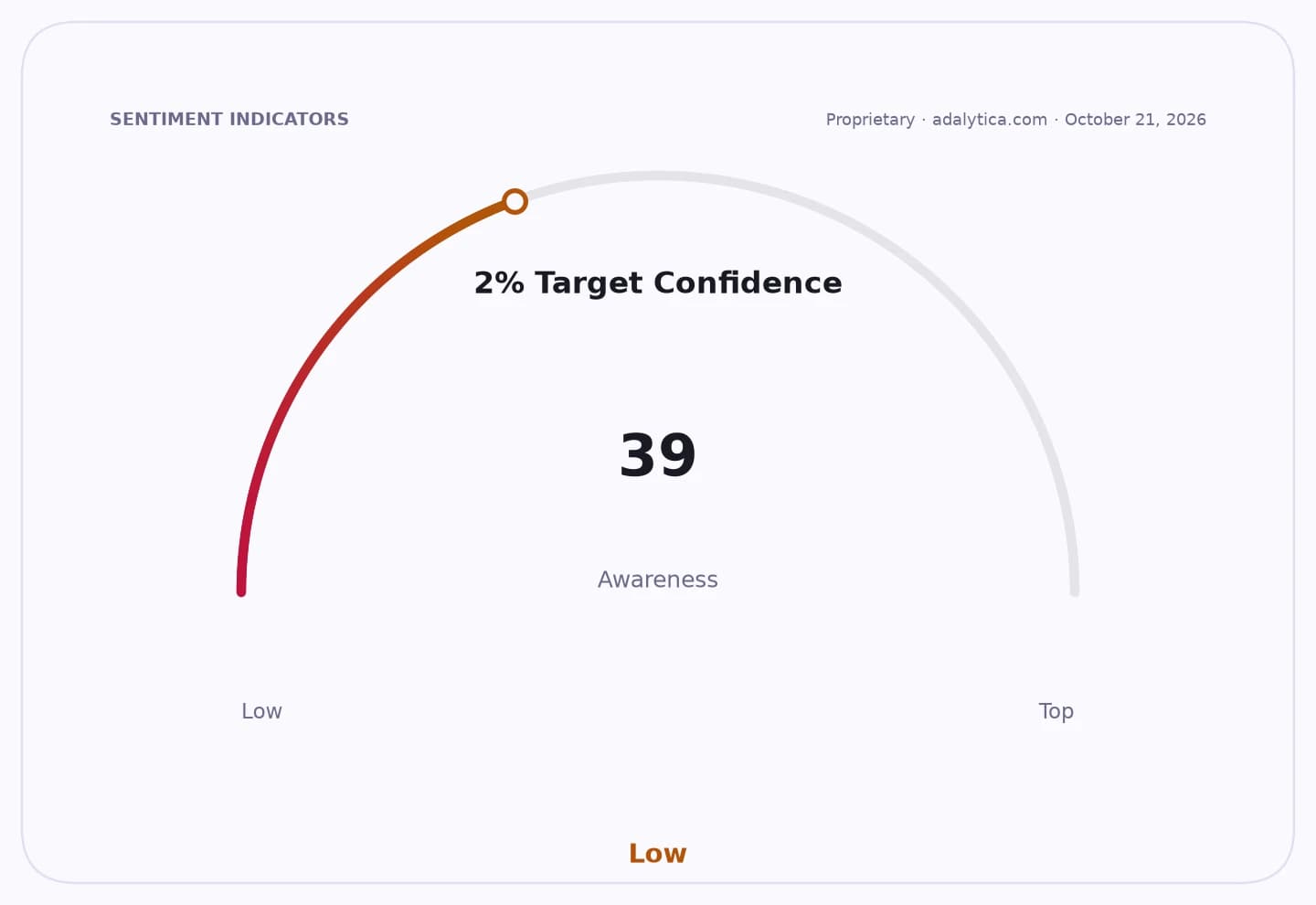
Sentiment Indicators
That combination is the key signal for markets. Core inflation is what policymakers watch most closely for signs that price pressures are becoming sticky, and February’s easing suggests domestic demand is not overheating. For bond investors, that supports the view that rate cuts remain on the table, even if energy inflation rose to 4.3% from 0.2% in the prior month.
Food inflation also cooled sharply, with non-processed food prices rising just 0.8% versus 3.1% in January, though the statistical office said that partly reflected a base effect from last year’s price increases. On a monthly basis, prices rose 0.1%, while the 12-month average inflation rate slowed to 3.3% from 3.8%.
For investors, the message is straightforward: lower inflation in a smaller euro-zone economy like Portugal adds to the broader evidence that the region’s disinflation trend is holding, which should keep downward pressure on yields and support rate-sensitive assets. It also gives policymakers in Frankfurt more room to shift from fighting inflation to protecting growth, especially as consumer spending remains vulnerable to high borrowing costs.
The final February reading is due on March 12, but unless it changes materially, this looks less like a one-off and more like another notch in Europe’s inflation retreat. That keeps the ECB easing narrative alive — and that is where the market opportunity remains.
| Entity | Gains | Losses |
|---|---|---|
| Portuguese households | ▲Real income relief | ▼Less urgency for wage hikes |
| ECB rate-cut camp | ▲Stronger disinflation case | ▼Hike advocates |
| Bond investors | ▲Lower-yield expectations | ▼Short-duration bears |
| Energy consumers | ▲Softer overall inflation | ▼Energy suppliers with pricing power |