Portugal’s sovereign upgrade by Moody’s to A2 is a vote of confidence in the country’s debt path at a time when investors remain highly sensitive to fiscal credibility in Europe.
Portugal Sovereign Upgrade by Moody's to A2

The ratings agency said Portugal is likely to keep cutting public debt from 89.2% of GDP this year to 84.3% by end-2027 and below 80% in 2029, helped by a broad political consensus around balanced budgets and continued fiscal restraint. For bondholders, that matters because a steadier debt trajectory reduces the risk premium embedded in Portuguese government borrowing and, over time, can feed through to cheaper funding for banks, companies and households.
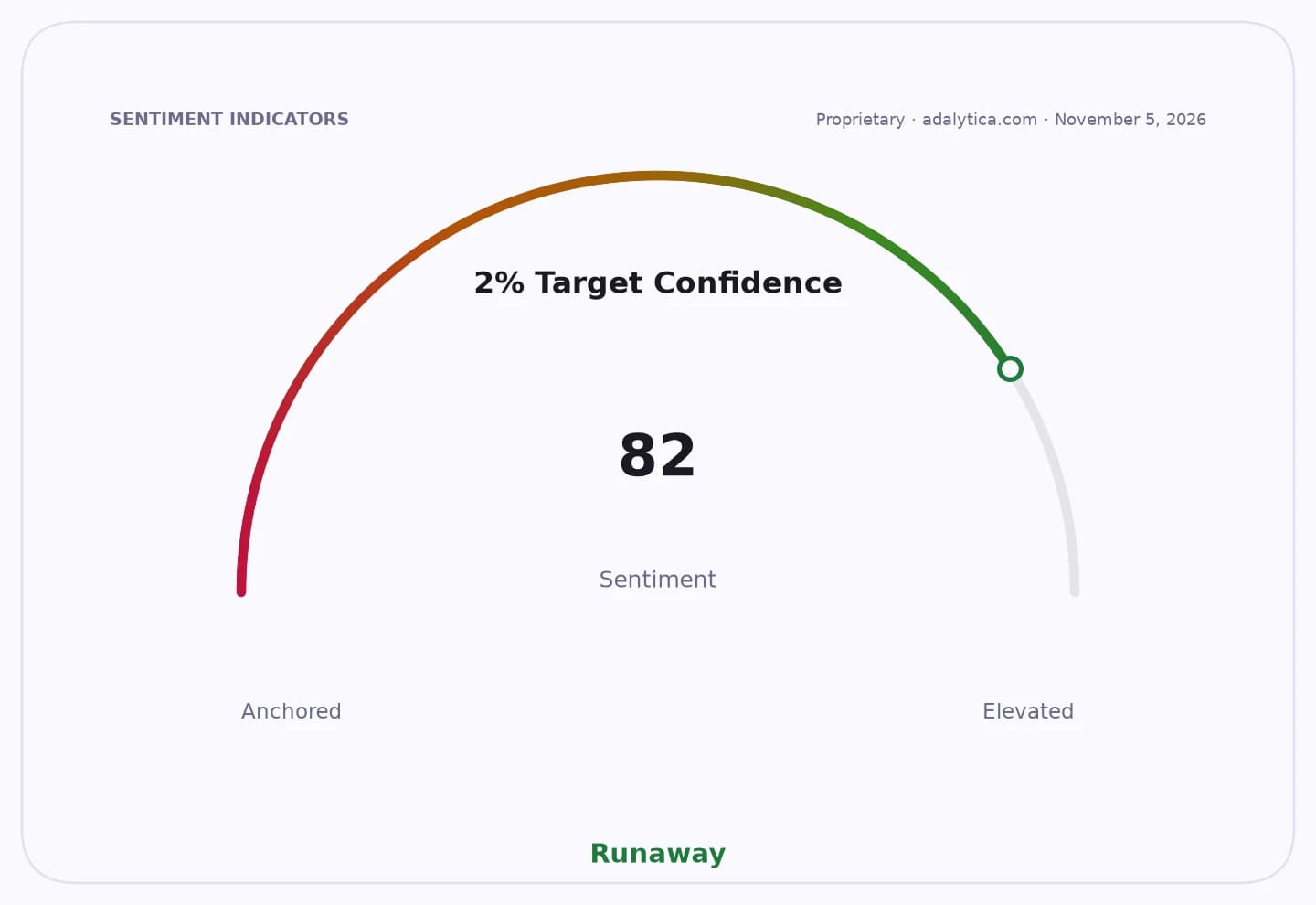
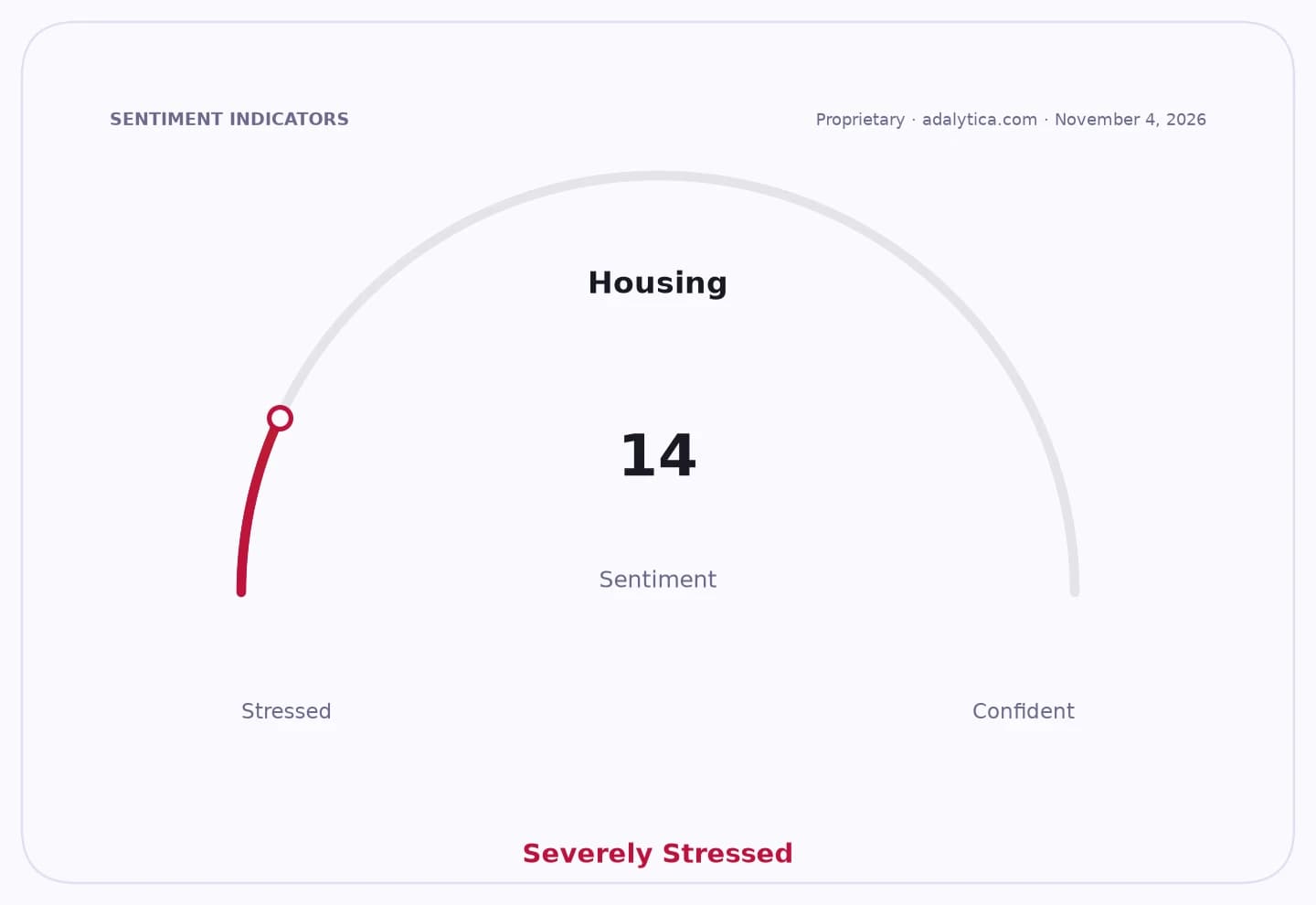
Sentiment Indicators
Moody’s decision also signals that political fragmentation has not yet derailed policy continuity in Lisbon. Even minority governments have preserved the discipline needed to sustain budget surpluses, while the execution of the EU recovery fund and immigration reforms are expected to keep growth near 2% over the medium term. In sovereign credit terms, that combination of growth and fiscal restraint is what allows a higher rating to stick.
The upgrade comes with a stable outlook, however, underscoring that the case is not one-sided. Moody’s said the debt ratio could fall faster than expected, but higher financing costs could still crimp the state’s debt-service capacity. It also flagged housing shortages as a constraint on growth, an important warning for an economy that needs private investment and labor supply to keep expanding without reigniting imbalances.
For investors, the immediate takeaway is that Portugal is moving further away from the higher-risk end of the euro-area spectrum. That can support demand for Portuguese bonds and improve the sovereign’s relative appeal versus peers with weaker fiscal trajectories. It also gives local issuers a somewhat firmer backdrop, even if global rates stay elevated and credit spreads remain hostage to broader risk sentiment.
The larger narrative is that Portugal has turned fiscal discipline into a credit story: not just slower debt accumulation, but a credible path to materially lower leverage. The next test is whether growth can hold up while housing shortages and tighter financing conditions threaten the durability of that progress.
| Entity | Gains | Losses |
|---|---|---|
| Portugal government | ▲Lower borrowing costs | ▼Less room for fiscal slippage |
| Portuguese bondholders | ▲Better credit profile | ▼Limited upside if rates rise |
| Domestic banks and corporates | ▲Easier funding backdrop | ▼Exposure to housing constraint |
| Taxpayers | ▲Stronger public finances | ▼Pressure to maintain austerity |