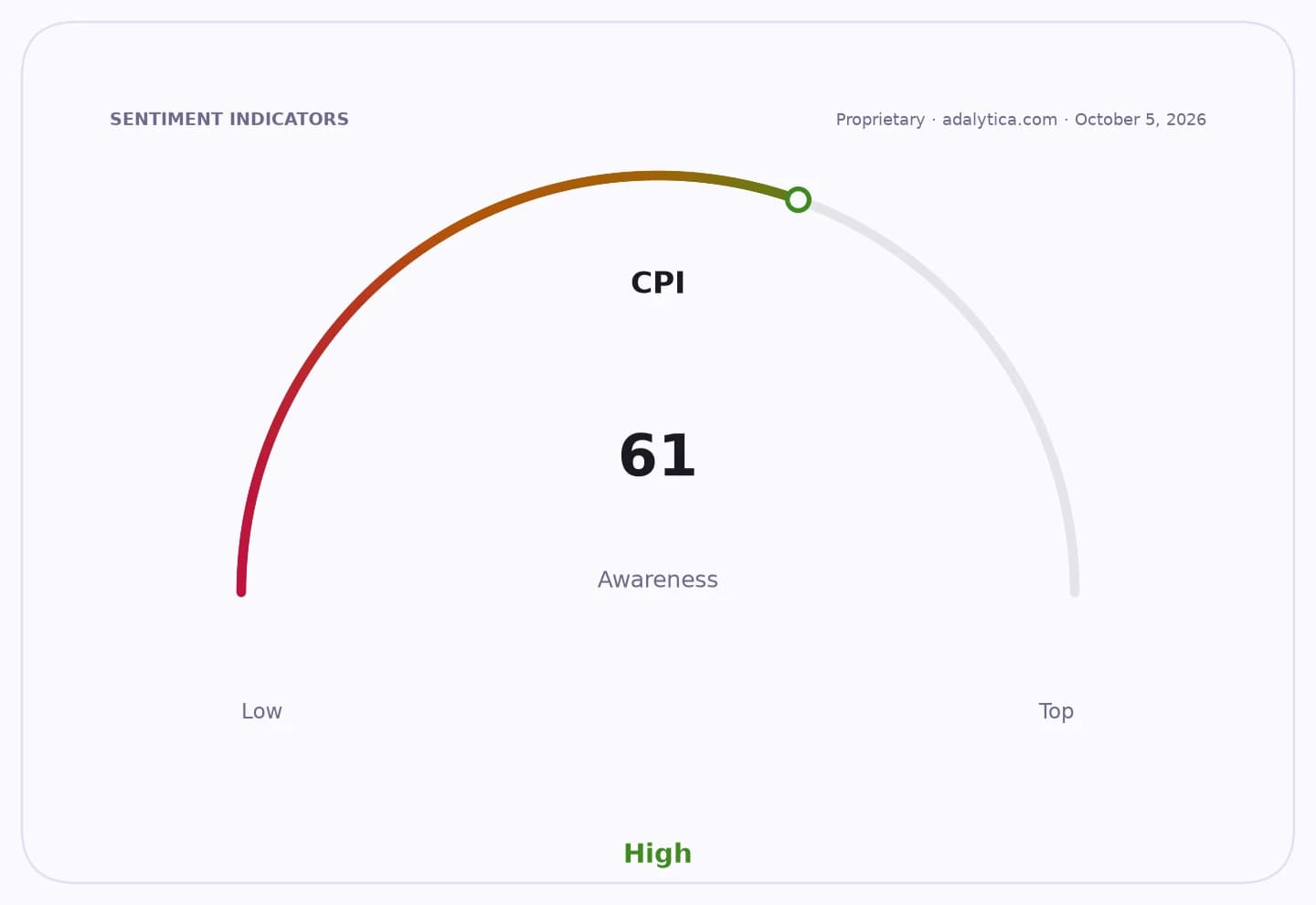
Brazil’s financial market has pushed its 2027 inflation forecast above the official ceiling after Luiz Inácio Lula da Silva’s re-election, underscoring how quickly the policy outlook has deteriorated and why borrowing costs are now expected to stay elevated for longer.
Brazil inflation forecast rises above ceiling
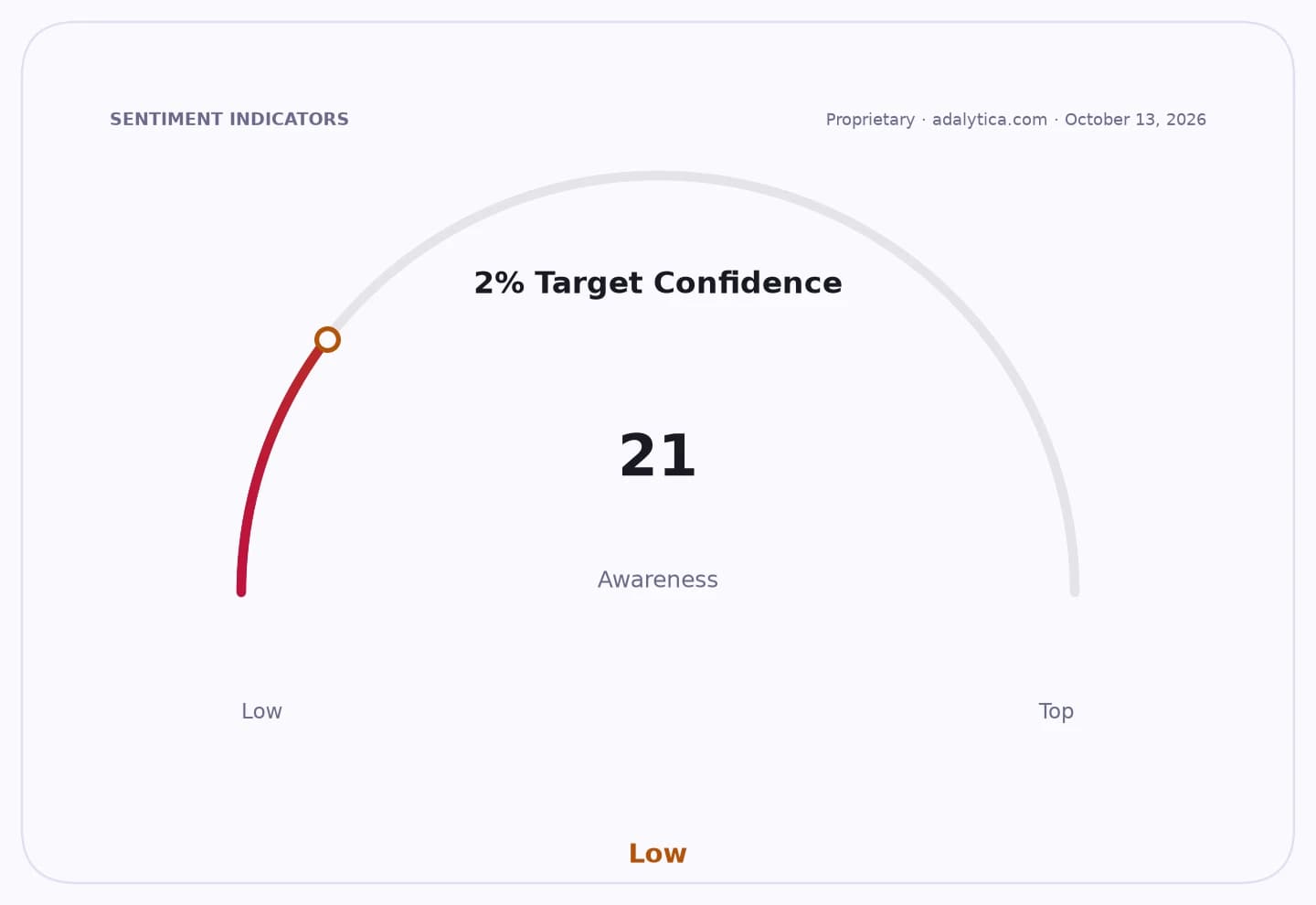
2% Target Confidence
The Focus survey published Tuesday showed consumer-price inflation in 2027 rising to 4.76%, above the 4.5% upper limit of the central bank’s tolerance band and sharply higher than the prior estimate of 4.34%. That revision is the clearest sign yet that investors see a less favorable medium-term inflation path under the new political backdrop, even before any major policy shift has been implemented.
Sentiment Indicators
The same survey points to a more persistent inflation problem later in the decade, with 2029 inflation expectations lifted to 3.98% from 3.50%. In parallel, the projected Selic policy rate for end-2027 climbed to 12.50% from 11.75%, while the 2028 forecast rose to 11% from 10%. The message from the market is straightforward: if inflation expectations are moving higher, the central bank will have less room to cut rates aggressively.
That matters for Brazil’s debt dynamics as much as for prices. The Focus bulletin also worsened projections for net public debt as a share of GDP, with the 2028 estimate moving to 77.20% from 76.60% and the 2029 forecast to 79.69% from 79.13%. Higher inflation and higher policy rates both feed into debt-service costs, making fiscal adjustment harder and reinforcing investor concern that the government could face a tighter financing environment.
The timing of the revisions is important. The latest survey incorporated responses collected through Oct. 30, after the election result, while the prior reference date was Oct. 23, just before the second round. That makes the move a direct read-through of post-election market positioning rather than a response to fresh macro data.
The market reaction fits that narrative. Brazilian assets have effectively repriced for a more expensive rates-and-debt regime, with investors signaling skepticism that the new administration can deliver the combination of fiscal restraint and policy credibility needed to anchor inflation expectations near target. The result is a steeper path for rates, heavier debt burdens and potentially weaker room for credit growth and investment.
The debate has now broadened beyond the Focus numbers to institutional design. Economists including André Lara Resende, one of the architects of the Real Plan, have revived proposals for a new fiscal and monetary council that would set the benchmark rate within a prescribed band, with a transition period implying cuts toward about 7.5% within a year. That is a stark contrast with market pricing, which still sees Selic near 12.5% at the end of 2027.
For investors, the takeaway is that Brazil’s inflation problem is no longer just about near-term price prints. It is becoming a medium-term credibility test. If expectations keep drifting higher, local bonds may need to offer more yield, equities could face a higher discount rate, and the real may remain vulnerable to swings in policy confidence. The next Focus surveys will show whether this post-election reassessment is a one-off adjustment or the start of a more durable shift in Brazil’s macro regime.
| Entity | Gains | Losses |
|---|---|---|
| Brazilian banks | ▲Higher lending margins | ▼Slower credit demand |
| Holders of inflation-linked bonds | ▲Better real returns | ▼Holders of fixed-rate debt |
| Brazilian government | ▲No immediate adjustment burden | ▼Higher financing costs |
| Equity investors | ▲Clearer policy repricing | ▼Higher discount rates |