Brazil’s fiercest monetary-policy debate is no longer just about inflation — it is about whether the country’s sky-high borrowing costs are making the public debt problem worse, not better.
Brazil Rates Debate Centers on Debt Costs
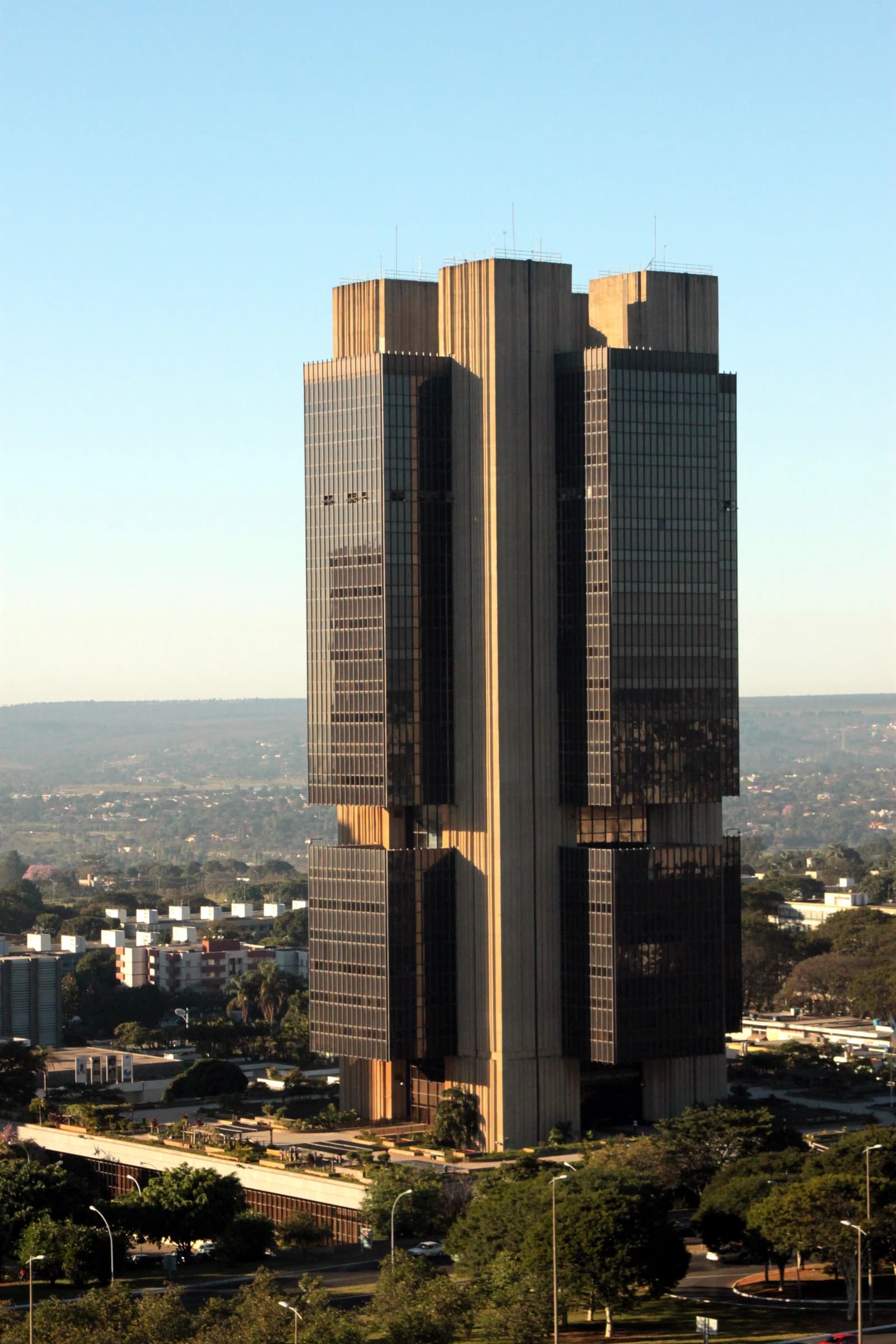
That is why the latest argument from André Lara Resende, one of the architects of the Real Plan, matters so much. He is urging Brazil’s central bank to reduce the Selic rate gradually from 13.75% to about 7.5% over 12 months and to bring fiscal and monetary policy under a new coordinating council. The idea is politically sensitive and economically explosive because it challenges the market’s core belief that Brazil needs tighter spending discipline before it can safely ease rates.

Lara Resende’s case is straightforward: the interest bill, not the primary deficit, is the main force pushing debt higher. He points to a primary deficit of just 0.4% of GDP, according to IMF estimates, versus a gross public debt of about 10.9 trillion reais and an average funding cost of 12.68% a year. On those numbers, annual debt service would run to roughly 1.4 trillion reais, or 10.5% of GDP. In other words, Brazil is paying so much to roll over debt that high rates risk feeding the very fiscal deterioration they are meant to contain.
For investors, that is not an academic argument. If Brasília were to embrace even part of this thinking, it would change the outlook for bonds, the real and Brazilian equities. Lower rates usually support growth, reduce financing stress for companies and households, and can eventually lift asset prices. But they can also weaken the currency if foreign capital decides Brazil is losing its inflation-fighting discipline. That is why Lara Resende has also floated using part of the central bank’s roughly $350 billion in reserves to cushion the real if investors pull back.
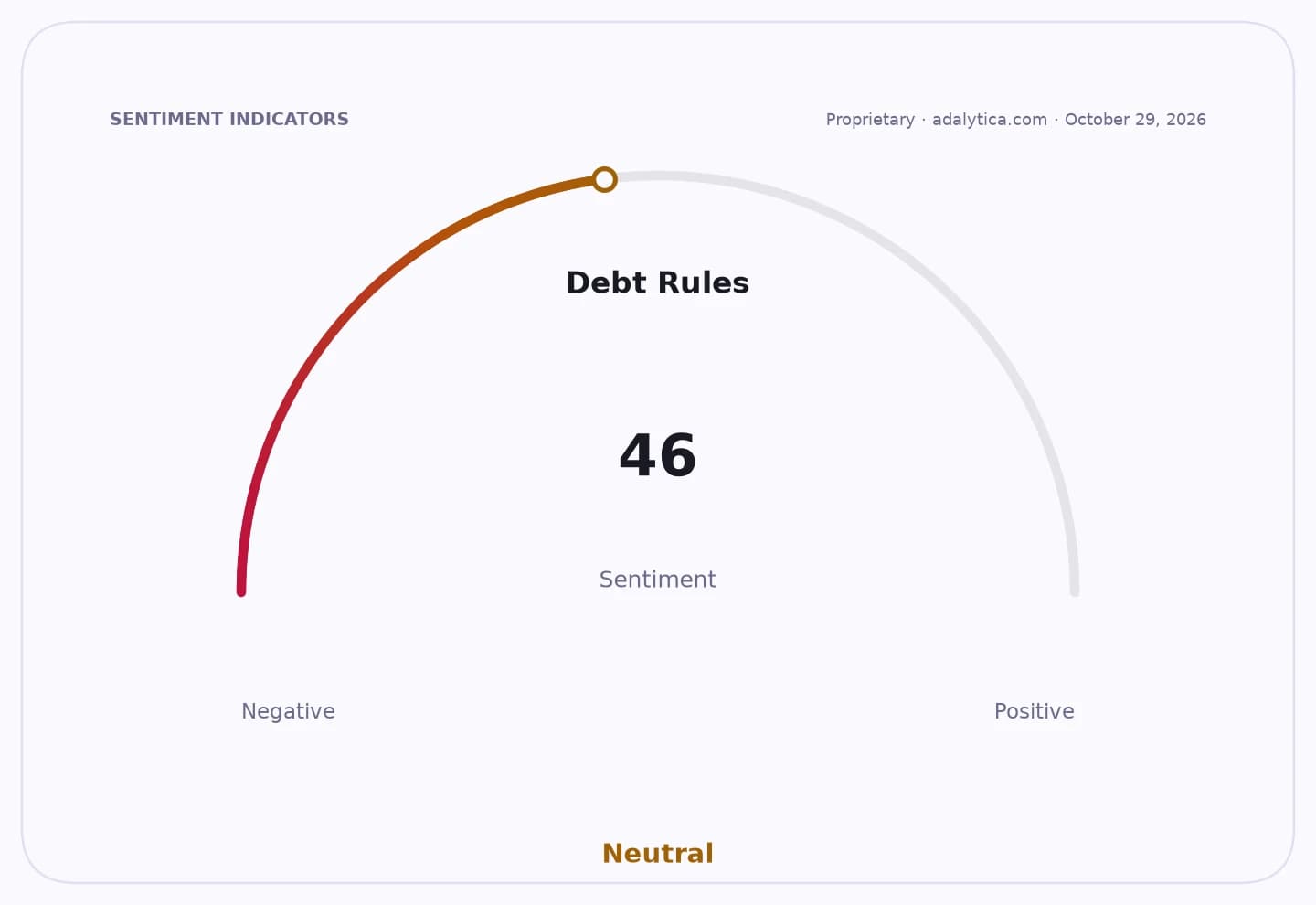
The market is already sensitive to any hint that President Luiz Inácio Lula da Silva’s administration may be open to this debate. Gleisi Hoffmann, a prominent lawmaker from Lula’s Workers’ Party, publicly backed Lara Resende’s recent article, and local reporting suggested he could meet the president this week. Even though the finance ministry denied the meeting was on Lula’s agenda, the mere possibility of official interest has unsettled investors who have been demanding clearer fiscal commitments ahead of the next election cycle.
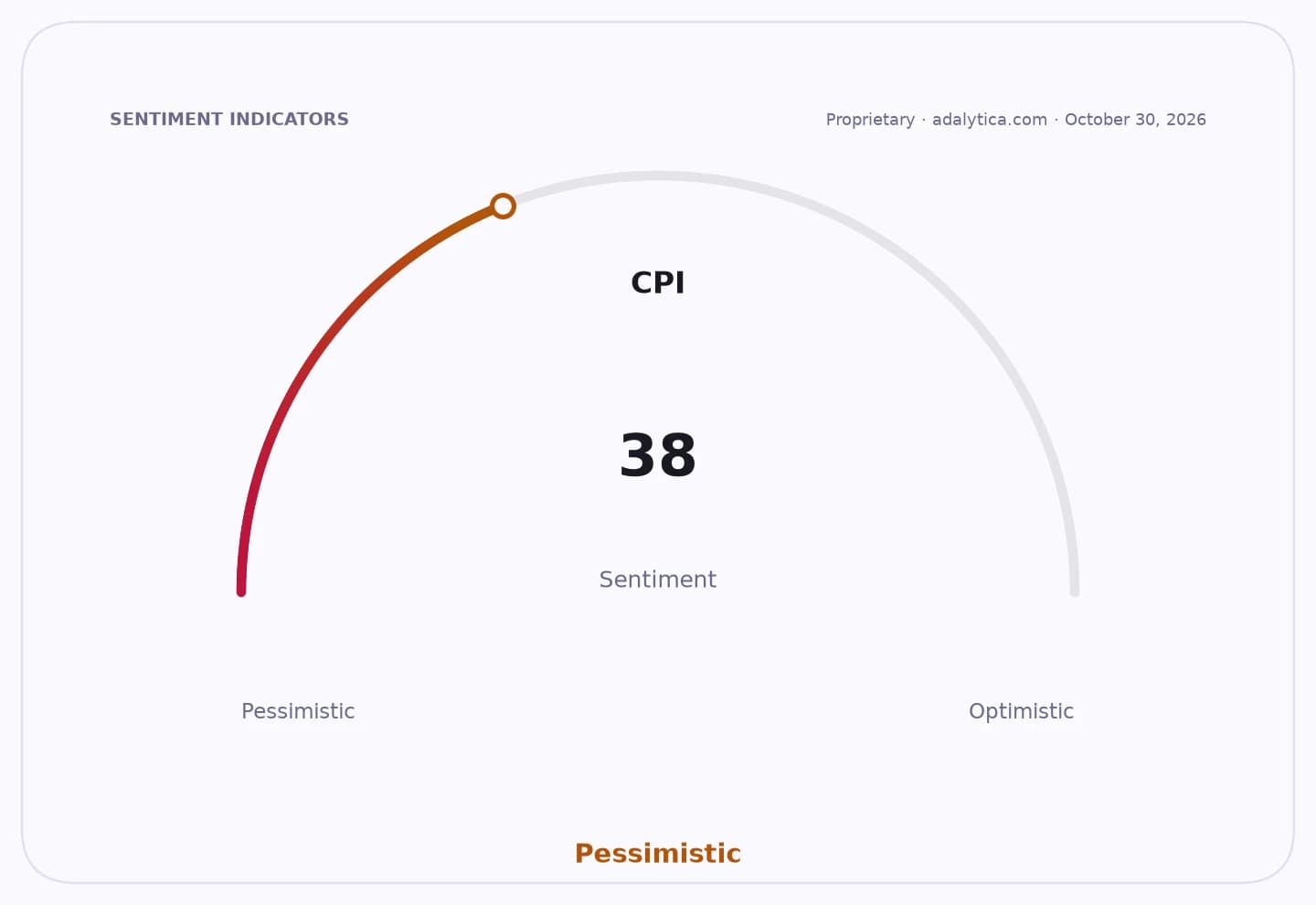
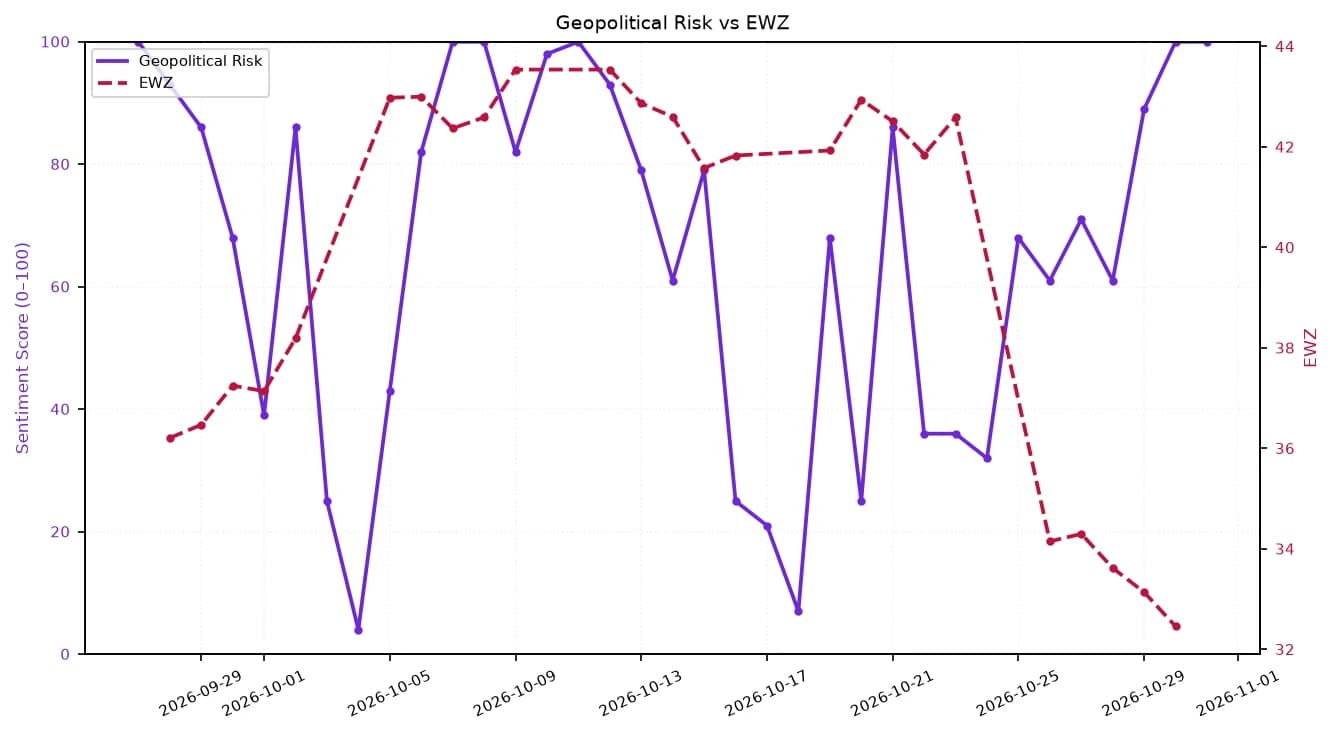
That unease is visible across Brazilian assets. The iShares MSCI Brazil ETF, EWZ, has swung sharply, closing at $32.16 on Nov. 2 after recently trading above $42, while the Brazilian real ETF, BZQ, has climbed to 21.7 after a stretch of weakness, underscoring how quickly sentiment can shift when policy credibility is questioned. In technical terms, EWZ’s 50-day and 200-day moving averages remain well above the current price, while BZQ’s recent spike has pushed its RSI into overbought territory — signs of stress and volatility, not stability.
Long term, the bigger question is whether Brazil can break the old cycle of high rates, weak growth and rising debt service. Lara Resende is arguing that the country’s real problem is not simply spending, but the cost of money itself. Whether that view wins out or not, it has reopened a fundamental debate that will shape returns in Brazilian assets for years. For patient investors, Brazil still offers opportunity — but only if policymakers can prove they can lower rates without losing control of inflation and the currency.
| Entity | Gains | Losses |
|---|---|---|
| Brazilian borrowers | ▲Lower debt-service costs | ▼Less pressure relief if rates stay high |
| Holders of Brazilian bonds | ▲Higher yields in the short run | ▼Capital losses if rates fall fast |
| Brazilian equities, especially rate-sensitive sectors | ▲Better financing conditions | ▼Higher risk premium if credibility fades |
| The Brazilian real | ▲Possible support from reserves and confidence | ▼Weakness if capital outflows accelerate |